







The Silent Risk: Why the Built Environment Must Bridge the Gap Between Psychological and Psychosocial Safety
In the high-stakes world of the built environment, project leaders are well-versed in managing physical risk. They understand that a project’s integrity depends on solid foundations, rigorous planning, and the immediate mitigation of site hazards. Yet, some of the industry’s most dangerous risks are invisible, buried not in the structural blueprints, but within the workplace culture that dictates whether workers feel safe to speak up—or whether they feel safe to work at all.
As project deadlines tighten and supply chains become increasingly complex, the cost of silence is rising. An overlooked design flaw, a suppressed safety concern, or a subcontractor afraid to challenge an unrealistic timeline can lead to catastrophic consequences. Addressing these issues requires more than just better communication; it requires a fundamental shift in how firms approach psychological and psychosocial safety.
The Human Cost of Silence
The mental health crisis in construction is now impossible to ignore. A 2025 report from the Chartered Institute of Building paints a stark picture: 94% of workers experienced stress, 83% faced anxiety, and 60% suffered from depression within the last year.
These figures are not merely HR metrics; they are safety red flags. According to the same report, 95% of those struggling with anxiety or depression reported reduced concentration, while 96% experienced fatigue. In a sector where precision is a prerequisite for safety, impaired judgment is a direct contributor to on-site accidents.
Distinguishing Between Psychological and Psychosocial Safety
While often conflated, organizational psychologists argue that there is a critical distinction between psychological and psychosocial safety that employers must understand to protect their workforce.
Psychological safety—popularized by Professor Amy Edmondson—refers to a team culture where individuals feel they can voice concerns, admit mistakes, or ask “awkward” questions without fear of retribution. In a healthy environment, this “voice” acts as an early warning system for project errors.
Psychosocial safety, however, focuses on the structural design of work. As defined by Professor Maureen Dollard, it concerns the organizational policies and working conditions—such as workload, role clarity, and management support—that protect a worker’s mental health.
As the saying goes: “Psychosocial safety is the foundation; psychological safety is what you build on top of it. If the foundation is compromised, the structure will keep shifting.”
Designing for Success
Many organizations attempt to fix “silence” through communication workshops or engagement initiatives. However, if the underlying system—characterized by chronic understaffing, impossible deadlines, and unclear reporting lines—is inherently stressful, those initiatives will inevitably fail.
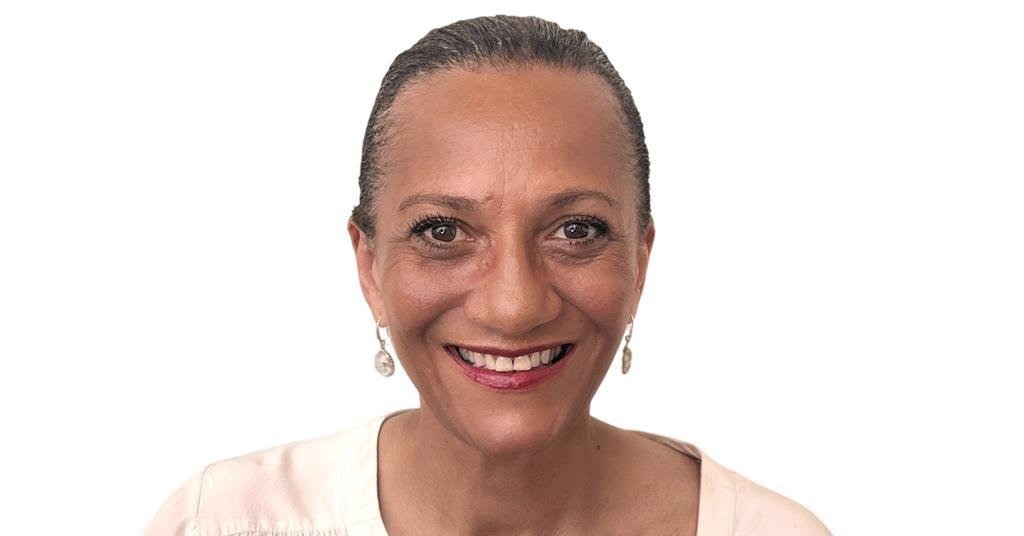
“Leaders often ask why employees are not speaking up,” says Sue Elabor, lead consultant and organizational psychologist at Blueprint for All Consulting. “A better question may be: what is it about the system that makes speaking up feel risky?”
A Roadmap for Change
To transition from mere stated values to tangible value, construction firms must adopt a more systemic approach:
- Prioritize Role Clarity and Workload: Ambiguity breeds stress. Employers must manage workloads proactively to prevent the “tunnel vision” that occurs under chronic pressure, which is often when safety protocols are sidelined.
- Invest in Leadership Capability: Many supervisors are promoted based on technical prowess rather than their ability to lead people. Shifting to a culture of curiosity—where bad news is treated as a learning opportunity rather than a reason for blame—is essential.
- Embed Inclusion: Psychological safety is not experienced equally. Junior staff, subcontractors, or those from marginalized backgrounds often face higher barriers to speaking up. Ensuring that “voice” is not a privilege of rank is key to a truly safe environment.
- Adopt Structural Oversight: Health and safety must evolve to include psychosocial hazards like bullying, burnout, and excessive work demands as core elements of an employer’s duty of care.
Ultimately, silence in the built environment is rarely a behavioral quirk; it is a symptom of a structural design flaw. By treating psychosocial and psychological safety with the same rigor as engineering standards, industry leaders can build organizations that are as resilient as the structures they create.