






Climate-Induced Disasters Signal Growing Risks Across the Himalayas
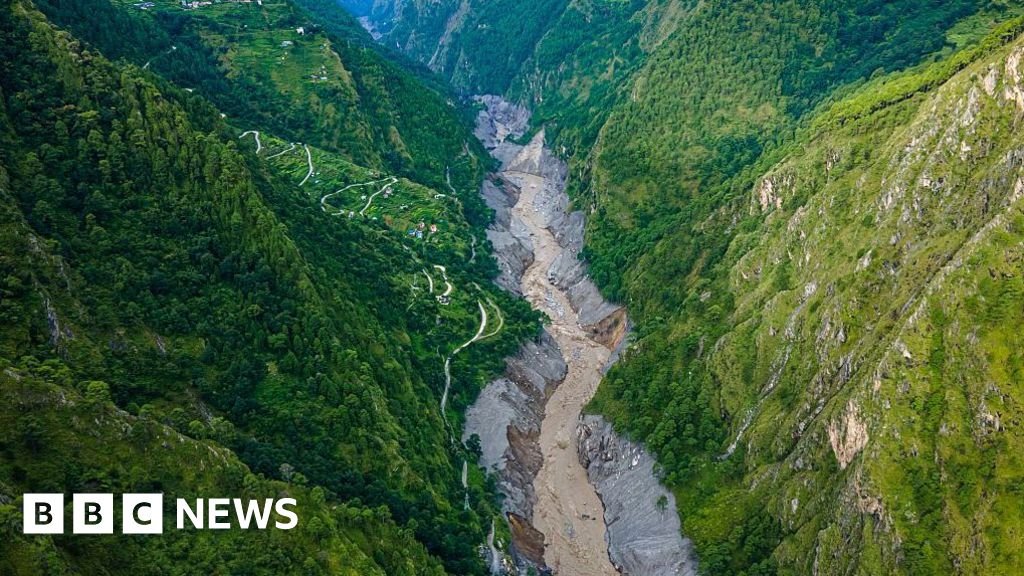
The fragile ecosystem of the Himalayas is facing an unprecedented crisis, as a recent catastrophic event serves as a grim warning of the accelerating dangers posed by global temperature shifts. Experts are warning that the region is becoming increasingly volatile, with the confluence of extreme weather and topographical instability creating a hazardous landscape for those living in high-altitude communities.
The disaster underscores the reality that climate change is not a distant threat for the mountain range, but an immediate and shared risk that transcends national borders. As glaciers retreat at an alarming rate and permafrost continues to thaw, the physical integrity of the slopes is being compromised, leading to an uptick in landslides, glacial lake outburst floods, and sudden, devastating debris flows.
For decades, the “Third Pole”—as the region is often called due to its massive ice reserves—has been a bellwether for global environmental health. However, recent data suggests that the rate of warming in the Himalayas is outpacing global averages, putting millions of people downstream at risk.
Environmental scientists emphasize that these disasters are no longer isolated incidents but are part of a systemic shift in the region’s climate patterns. The interdependence of the Himalayan countries means that the water security and safety of populations in India, Nepal, Bhutan, Pakistan, and China are inextricably linked to the preservation of these mountain peaks.
As recovery efforts continue in the wake of the latest destruction, policymakers are under increasing pressure to bolster regional cooperation. Strengthening early-warning systems, improving infrastructure resilience, and addressing the root causes of atmospheric warming are now considered urgent priorities. Without a coordinated international strategy, the region risks a cycle of recurring disasters that could displace thousands and cause irreparable damage to the world’s most vital freshwater source.