






Cricket Diplomacy: India Edges Past Japan in Thrilling 75th Anniversary Exhibition
In a historic display of sporting diplomacy, India and Japan took to the cricket pitch in Sano on Tuesday to commemorate 75 years of bilateral ties. The ceremonial T20 match, held under the vision of Indian Prime Minister Narendra Modi and Japanese Prime Minister Sanae Takaichi, served as a symbolic bridge between the two nations, blending high-stakes athleticism with international goodwill.
A Match Defined by Resilience
The day was not without its logistical hurdles. A combination of heavy traffic, which delayed the arrival of match officials and the Indian squad, coupled with a damp outfield following recent rains, threatened to derail the proceedings. However, the determination to honor the anniversary saw organizers pivot to a high-intensity five-over-a-side sprint.
What began as a diplomatic gesture quickly evolved into a nail-biting contest. The 41st-ranked Japanese side, often viewed as the underdog in the cricketing world, took to the field with remarkable composure, giving the three-time world champions a scare that few in the crowd expected.
The On-Field Battle
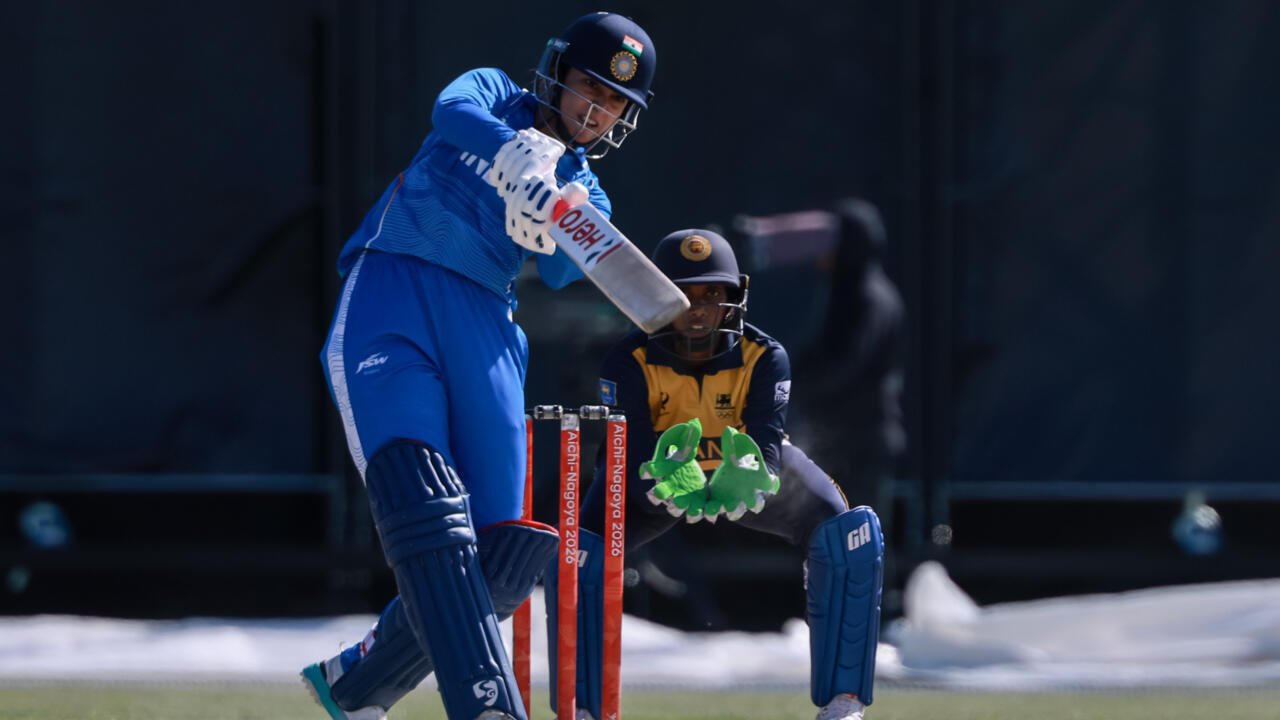
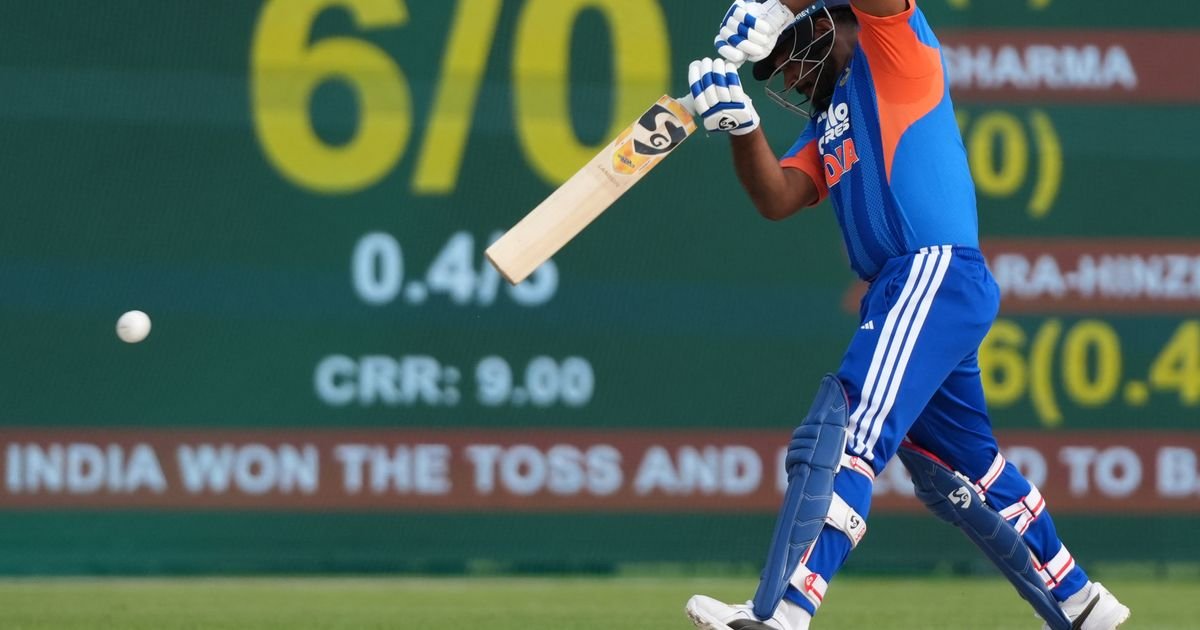
India, choosing to bat first in the shortened format, found scoring runs difficult on a tricky pitch. The team managed a modest total of 32-4. Skipper Shreyas Iyer provided the backbone of the innings, contributing a steady 16 runs off 12 deliveries.
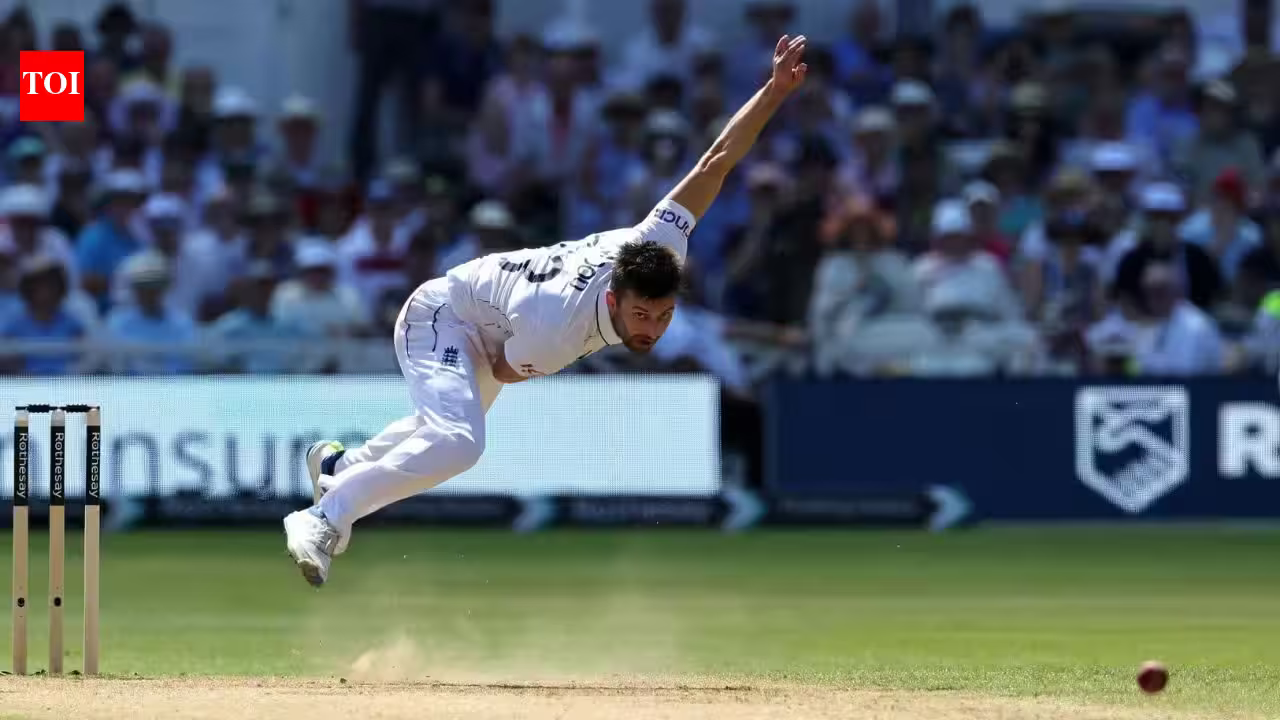
The highlight of the afternoon was undoubtedly the performance of 17-year-old Japanese left-arm spinner Charlie Hara-Hinze. In a stunning display of talent, Hara-Hinze dismantled the Indian top order, claiming the prized wicket of Iyer and bowling out Abhishek Sharma for a duck. His historic spell against some of the world’s most formidable batters earned him widespread praise and highlighted the growing maturity of Japanese cricket.
A Narrow Escape for the Visitors
Defending a total of just 32, India’s bowling attack needed precision and calm. Axar Patel and Washington Sundar rose to the occasion, applying consistent pressure on the Japanese batters. Despite a valiant captain’s knock from Japan’s Kendel Kadowaki-Fleming, who fought hard to put 12 runs on the board, the Japanese side struggled to keep up with the required run rate against the world-class Indian bowlers.
Ultimately, Japan finished at 30-3, falling just two runs short of what would have been an earth-shattering upset.
Strengthening Ties Through Sport
While the scorecard favored India, the true victor was the spirit of the event. The match showcased the deepening cultural and diplomatic relationship between New Delhi and Tokyo. By hosting the game, both nations reaffirmed their commitment to mutual cooperation, proving that even in a sport where they have vastly different historical footprints, the language of cricket can foster unity.
As the players shook hands at the conclusion of the match, the takeaway for the fans in Sano was clear: the ties between India and Japan are stronger than ever, and if Tuesday’s performance is any indication, the future of cricket in Japan is bright indeed. The narrow margin of victory served as a testament to the growth of the sport globally, turning a diplomatic anniversary into an unforgettable chapter in the history of international cricket.
Disclaimer: This content is auto-generated for informational purposes only.
Source: Read Original News