









Russia Turns to India for Gasoline Amidst Deepening Fuel Crisis
GLOBAL ENERGY MARKETS REACT AS GEOPOLITICAL TENSIONS RIPPLE THROUGH SUPPLY CHAINS
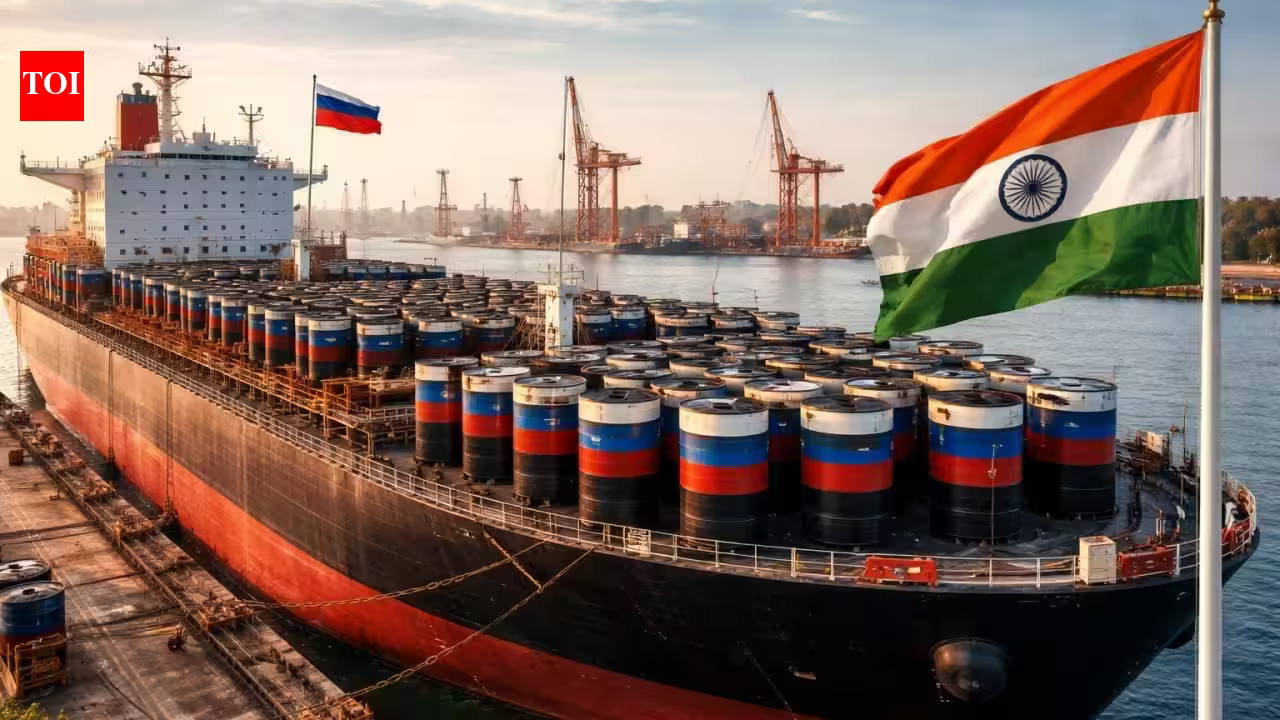
NEW DELHI/MOSCOW – In an unprecedented shift in global energy dynamics, Russia, a traditional exporter of refined fuels, has begun importing gasoline from India. This marks a significant development driven by intensified Ukrainian drone attacks on Russian refineries and ongoing geopolitical tensions in the Middle East, which have collectively tightened fuel supplies worldwide. The move underscores the severe domestic fuel shortages Russia is now grappling with, prompting the nation to prioritize its internal demand by halting gasoline and diesel exports.
The first such shipment, according to Kpler data cited in a Bloomberg report, arrived in Russia on August 5th, with further deliveries anticipated. This long-distance trade route highlights the critical nature of Russia’s supply crunch, as the nation is forced to seek external sources for a product it typically supplies to international markets.
A New Supply Chain Emerges
Nayara Energy Ltd, an Indian refiner with significant backing from Russia’s largest oil producer, Rosneft PJSC, has emerged as a key supplier in this evolving trade relationship. The intricate logistics involve a network of Russian-linked tankers and complex ship-to-ship (STS) transfers conducted off the coast of Egypt, a testament to the lengths being taken to circumvent sanctions and ensure delivery.
Sumit Ritolia, lead analyst at Kpler, commented on the significance of this development: “The emergence of Indian barrels is particularly notable.” He further explained that these shipments, alongside existing imports from Belarus and other neighboring countries, clearly demonstrate “the severity of the current domestic gasoline imbalance, and the extent to which lower refinery runs are reshaping Russia’s traditional product trade flows.”
Impact of Refinery Attacks
The dire situation in Russia’s domestic fuel market is directly linked to a sustained campaign of Ukrainian attacks targeting its refining infrastructure. EA Analytics estimates that Russian crude processing in July averaged 3.6 million barrels a day, a substantial one-third below its typical seasonal levels. The intensity of these strikes has only escalated, with five refineries targeted last week and at least two more hit this week, further exacerbating the supply deficit.
Nayara Energy’s Strategic Positioning
Following sanctions imposed by the European Union last July, Nayara Energy has increasingly relied on a "dark fleet" of tankers and STS operations for both crude imports and refined product exports. Its 400,000-barrel-per-day refinery in Vadinar, located on India’s west coast, has also been actively diversifying its export markets. This strategic shift comes as one of its major buyers, Hindustan Petroleum Corp., has ramped up its own fuel production in the region, prompting Nayara to explore new avenues for its output.
Journey of the First Cargo
The inaugural shipment saw the Russian-flagged products tanker Cyclone load approximately 42,000 tonnes of gasoline at Vadinar on June 18th. This cargo was then transferred to the Oman-flagged tanker Garnet via an STS operation at Damietta Port, off Egypt’s Mediterranean coast, on July 6th. The Garnet subsequently arrived in Russia in early August, completing a journey that underscores the innovative and sometimes opaque methods employed in contemporary global energy trade.
Anticipation of Further Shipments
Evidence suggests that this initial shipment is not an isolated incident. Kpler data indicates that the product tanker Varg loaded nearly 40,000 tonnes of gasoline at Vadinar on July 6th. This vessel is believed to have completed an STS transfer at Damietta by the end of July, a conclusion drawn from observed changes in its draft. While the receiving vessel for this cargo remains unconfirmed by Kpler, the tanker Beast has been identified as a likely candidate, showing an increase in draft while present at Damietta between July 30th and 31st. Despite declaring Tangier, Morocco, as its destination, the Beast has since sailed past the port and is now heading north in the Atlantic with the cargo still onboard, its ultimate destination yet to be officially declared.
Another noteworthy transfer involved the Cameroon-flagged Photon, which departed Vadinar on July 13th before transferring its gasoline cargo to the Russia-flagged Talisman at Damietta between July 28th and 29th.
Sanctions and the Shadow Fleet
The intricate web of vessels involved in these transactions highlights the complexities of navigating international sanctions. With the exception of the Garnet, all vessels participating in these transfers are registered under the Russian shipping register and have been sanctioned by the European Union. Furthermore, both Garnet and Talisman are also subject to US sanctions.
“The final destination of Talisman and Beast remains unconfirmed but the emerging trading pattern suggests Damietta STS hub continues to facilitate the movement of Indian-origin gasoline toward Russian import channels,” Kpler noted in a recent report. This emerging pattern signifies a significant realignment in global fuel supply chains, driven by geopolitical realities and the imperative for nations to secure essential resources through unconventional means.