







The AI Paradox: Colleges See Cheating, Employers Demand Skill
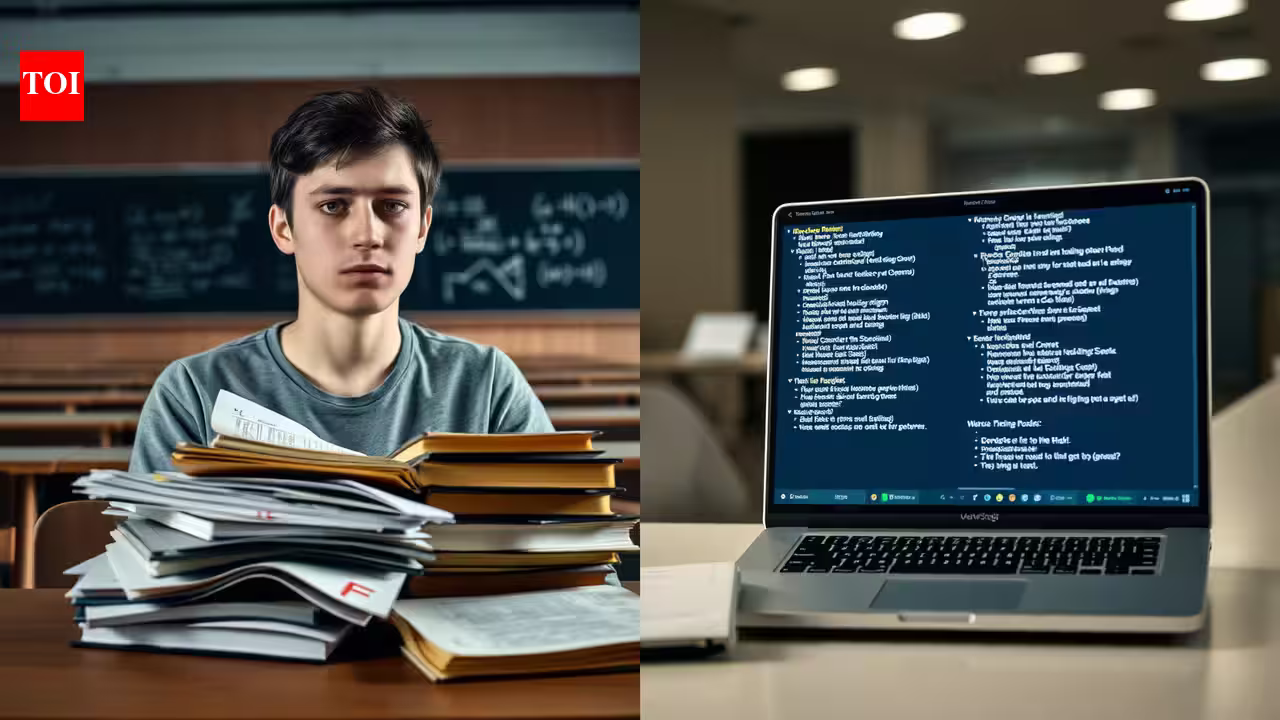
A striking contradiction is emerging for today’s students: while academic institutions often penalize the use of artificial intelligence, employers increasingly expect proficiency in it. This uncomfortable reality, highlighted by entrepreneur and educator Ankur Warikoo, underscores a fundamental disconnect between the current education system and the rapidly evolving demands of the job market. Warikoo’s social media post observed that colleges might punish students for employing AI, even as companies reject candidates who lack AI skills. This divergence points to a larger issue: the pace of change in the professional world is far outstripping the curriculum.
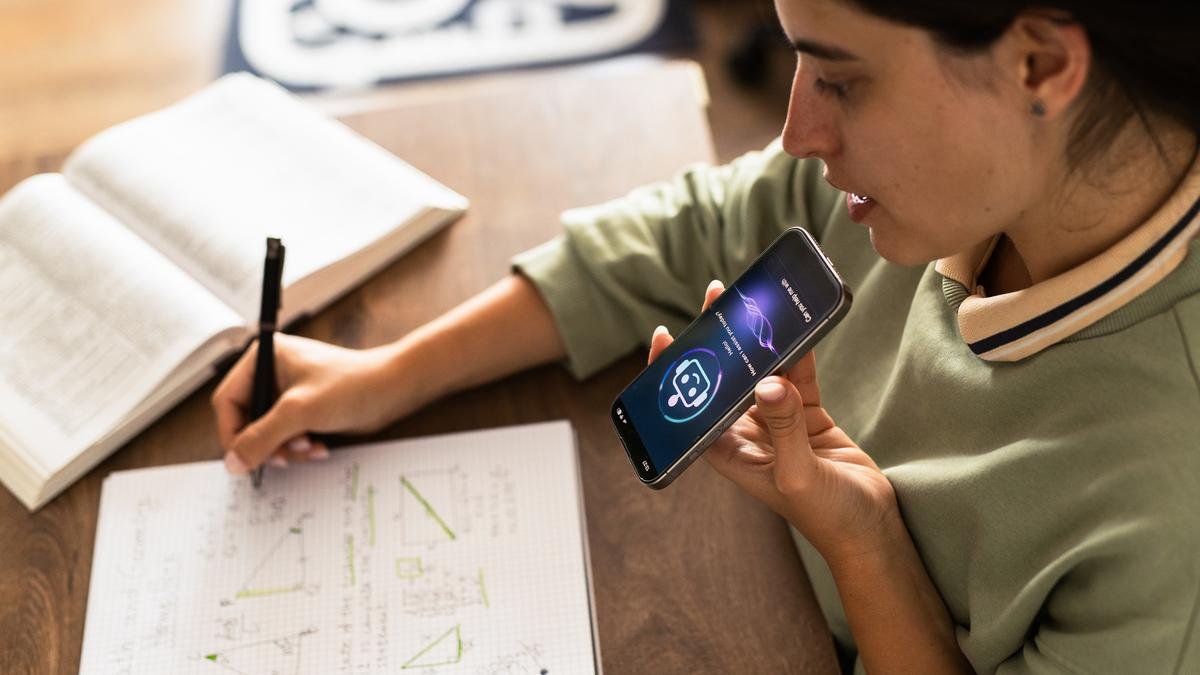
Colleges have legitimate concerns regarding AI. If students simply rely on AI tools to complete assignments without engaging in genuine learning, it undermines the educational process. However, integrating AI does not inherently equate to avoiding learning. Students can leverage AI for clearer explanations of complex concepts, identify logical weaknesses in arguments, practice problem-solving, or explore diverse approaches to a subject. The critical distinction lies in whether AI replaces a student’s cognitive effort or serves as a tool to enhance their learning experience. Empowering students to use AI effectively, rather than seeing it as a shortcut, will be crucial as AI becomes more deeply embedded in professional life.
The workplace has already begun its transformation. Students, who might be discouraged from using AI for their academic tasks, often enter professional environments where AI tools are routinely employed for research, coding, writing, analysis, communication, and various routine operations. This shift means that employability is no longer solely dependent on rote memorization from textbooks. Modern employers prioritize adaptability, practical problem-solving abilities, and a strong aptitude for working with emerging technologies. Consequently, AI literacy is rapidly becoming as vital for today’s students as mastering conventional workplace software was for previous generations.
Many students are not passively waiting for institutions to bridge this gap. They are proactively acquiring AI skills through self-directed learning, often outside formal academic settings. This involves engaging with free online tutorials, experimenting with various AI tools, developing personal projects, and testing new ideas – skills that may not be present in their prescribed curriculum. This phenomenon is not entirely new; throughout history, generations have learned essential skills beyond the classroom when formal education systems struggled to keep pace with reality. This includes learning about computers, the internet, coding, digital marketing, and design. AI simply represents the latest frontier in this ongoing evolution.
The future truly belongs to continuous learners, not just degree holders. However, being "AI-ready" does not imply uncritically allowing machines to dictate thought processes. The true advantage will lie with individuals who possess a deep understanding of their respective fields, enabling them to formulate effective questions for AI, critically verify its outputs, and know when to challenge or dismiss its suggestions. A journalist must still verify facts, a programmer must comprehend code, a researcher must scrutinize evidence, and ultimately, a student must understand what they submit. Human judgment remains irreplaceable in these critical areas.
The education system will eventually need to evolve beyond merely questioning whether AI is permissible, to actively teaching students how to utilize it ethically and intelligently. Until then, current students will continue the tradition of previous generations: acquiring the skills the future demands, even if those skills are not yet formally recognized within their academic syllabi. As eloquently stated in an original report on this subject, while a degree signifies the completion of formal education, it is curiosity that sustains lifelong learning.