






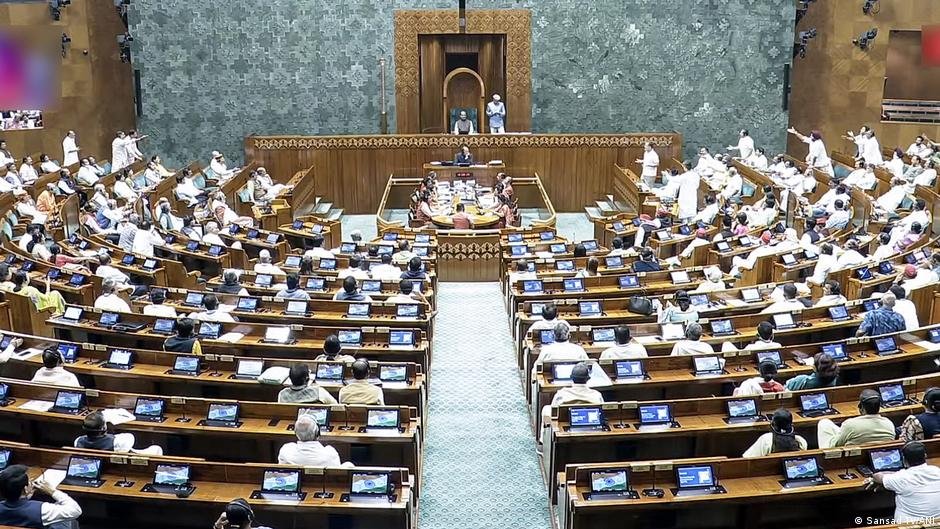
The Indian Parliament’s monsoon session has concluded amidst significant political turmoil, marked by relentless protests and a persistent deadlock between the government and the opposition. Both the Lok Sabha and the Rajya Sabha, India’s supreme legislative bodies, were adjourned sine die on Thursday, August 13, 2026, shortly after commencing for the final day of the session. This session proved to be particularly unproductive, largely due to lawmakers transforming the parliamentary chambers into a stage for ongoing demonstrations.
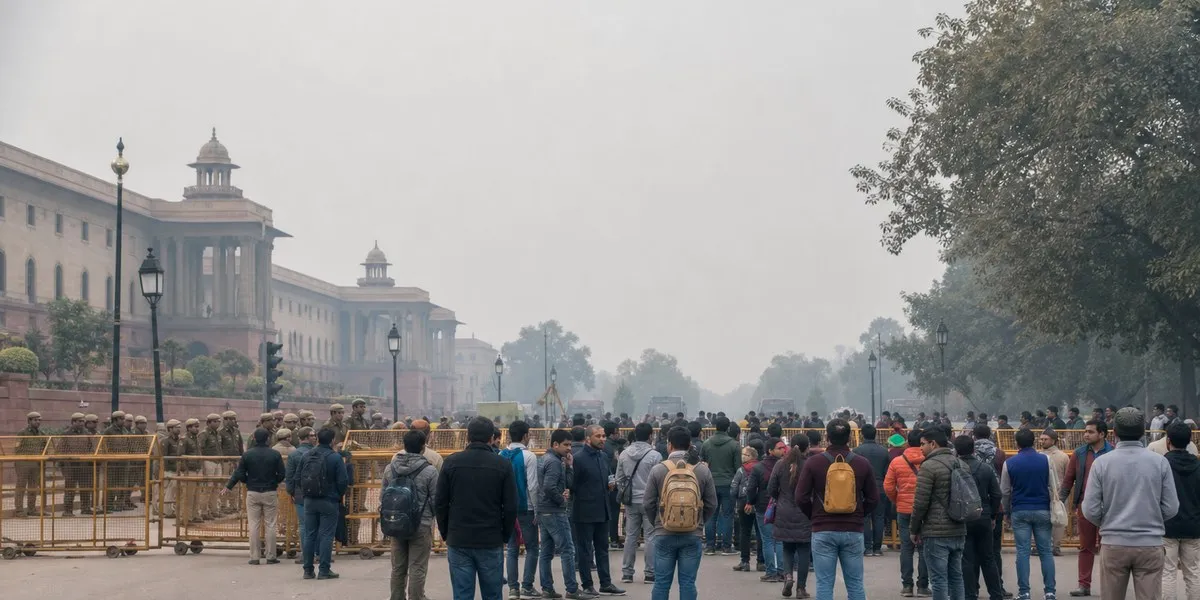
The session began with intense disruptions stemming from a massive youth-led protest on July 20. This demonstration, part of the Cockroach Janta Party movement, aimed to reach the Parliament gates, demanding the resignation of then-Education Minister Dharmendra Pradhan over alleged exam irregularities. Protesters faced severe repression, including baton charges and tear gas. The opposition subsequently condemned this forceful crackdown, demanding an explanation from Union Home Minister Amit Shah regarding the police brutality.
On Wednesday, Shah indicated the Narendra Modi government’s willingness to discuss the student protests, which were ignited by a series of medical entrance exam paper leaks. However, Rahul Gandhi, the leader of the opposition in the Lok Sabha and a prominent figure in Indian politics, rejected the debate offer. He asserted that the youth sought direct answers about who authorized the use of force against them, not merely a “lecture” from the Home Minister. In response, Union Minister of Parliamentary Affairs Kiren Rijiju accused the opposition of deliberately “running away from discussions” and hindering parliamentary productivity through their continuous disruptions.
Throughout the 19-day monsoon session, the Congress-led INDIA bloc, an alliance of opposition parties, orchestrated several demonstrations within the Parliament premises. These protests highlighted concerns over the police’s actions against demonstrators and raised questions about a donation embezzlement controversy linked to the Ram Temple, a site of immense political and religious significance for Modi’s Hindu-first agenda.
Adding to the complexity, lawmakers from Modi’s ruling coalition also began staging their own counter-demonstrations. On the final day, their protests focused on another student demonstration in Jharkhand, where the Congress party is a coalition partner in the state government. In Ranchi, the state capital, tear gas, batons, and water cannons were deployed to disperse students marching towards the state assembly, further illustrating the widespread discontent and the government’s harsh response to dissent.
The monsoon session’s conclusion underscores a period of heightened political tension and a struggle for legislative progress amidst public unrest and partisan disagreements, reflecting a deeply divided political landscape in India.