








Framework Addresses "Bricked" Laptop Concerns, Introduces Crisis Recovery Mode
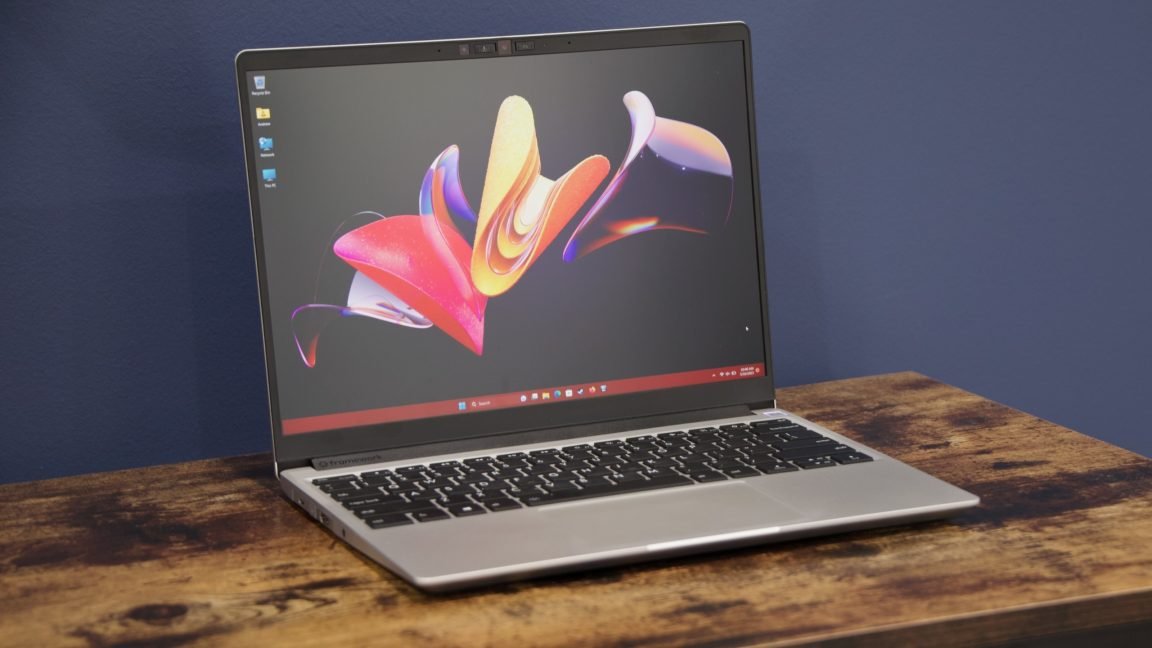
San Francisco, CA – Framework, known for its modular and repairable laptops, is grappling with a growing number of reports from users experiencing issues with BIOS upgrades on their Ryzen 7040-based Framework Laptop 13 devices. These problems, some dating back to as early as March 2025, have reportedly left some users with non-bootable machines after installing the latest BIOS updates.
The core of the issue appears to revolve around users attempting to update their BIOS, only to find their laptops rendered inoperable. In several instances, users reported that Framework’s support team informed them a new motherboard was necessary, but declined to provide a free replacement if the device was out of warranty. This stance caused considerable frustration within the community, sparking concerns about the company’s commitment to repairability and customer support, especially when software updates appeared to be the root cause of the failures.
Responding to the escalating concerns, Framework has released a statement outlining their efforts to address the situation. The company confirmed that, in addition to replacing in-warranty Mainboards, they are now making "exceptions for out-of-warranty replacements where we can confirm a stable-release BIOS update caused the board to become non-bootable." This policy shift is a welcome development for affected customers who were previously facing the prospect of purchasing a new motherboard due to a company-issued software update.
Furthermore, Framework is proactively introducing a "Crisis Recovery Mode" BIOS functionality designed to directly recover from failed updates. This critical feature aims to empower users to resolve BIOS-related issues without needing to resort to costly hardware replacements. "Our latest Framework Desktop BIOS release includes this functionality, and we are actively bringing it to Framework Laptop 12, 13, and 16 in our upcoming BIOS release cycles for each," Framework stated, indicating a broader rollout of this preventative measure.
While Framework has yet to provide definitive details on the precise technical cause of these issues, independent analysis offers some insight. Blogger Guanzhong Chen, a software developer, recently published a detailed blog post chronicling their experience with a "bricked" motherboard. Chen suggested the problem might stem from a "bug with the software that caused it to display what appears to be random memory on the screen," noting similar occurrences with previous BIOS versions.
Chen’s account is particularly illuminating, as they were ultimately able to flash new firmware onto their motherboard despite being reportedly told by a support representative to purchase a new one. This raises questions about the diagnostic processes and advice given to affected customers. Chen also expressed surprise at the slow speed of the BIOS flashing process during regular operation, remarking, "At the same time, it somehow flashes the BIOS slower in regular operation than a cheap 15 MHz programmer over pogo pins, which really makes you wonder what it’s doing under the hood." This observation hints at potential inefficiencies or underlying complexities within the current BIOS update mechanism.
As Framework continues to investigate the root cause of these "bricking" incidents, the introduction of Crisis Recovery Mode and the revised out-of-warranty replacement policy demonstrate a commitment to supporting their user base. The ongoing developments will be closely watched by the tech community, especially those who value Framework’s unique approach to laptop design and its emphasis on user repairability.