








OpenAI Integrates ChatGPT with Apple’s iMessage, Sparking New Privacy Debates
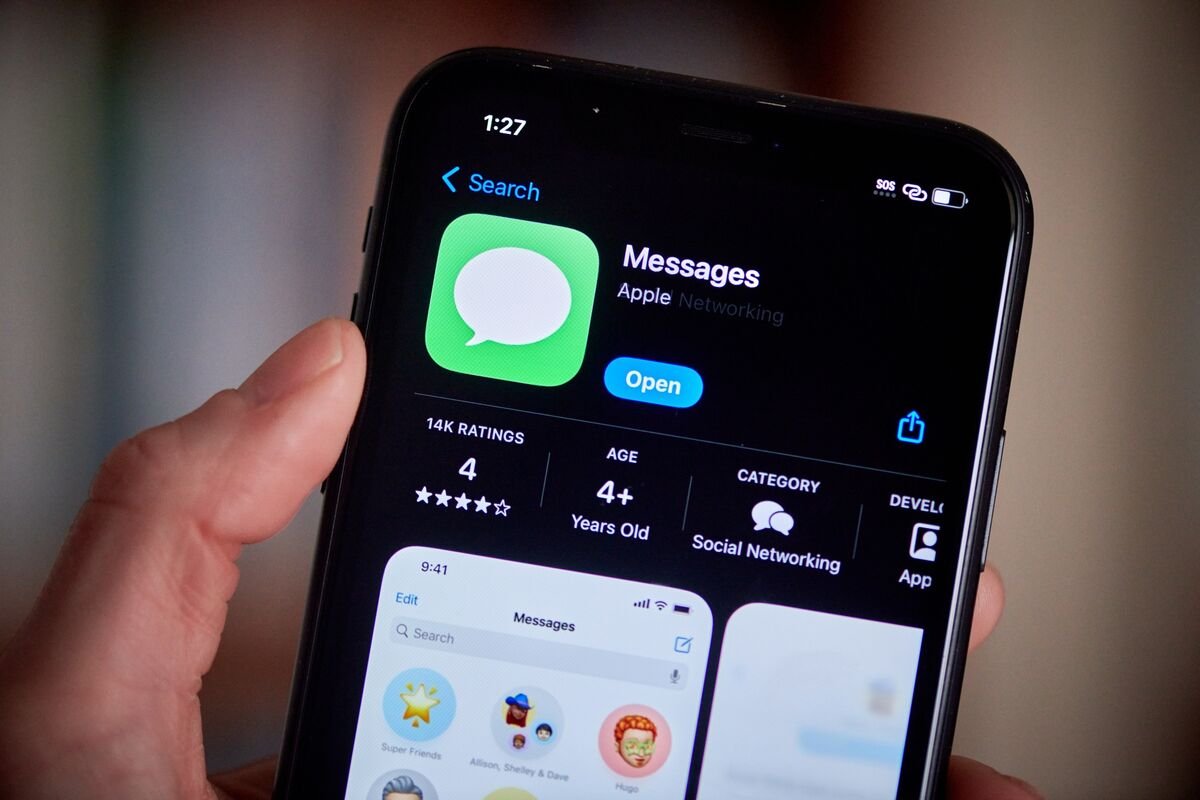
OpenAI took a significant step in the evolution of its AI ecosystem on Thursday, announcing new functionality that allows its ChatGPT platform to interact with and control Apple Inc.’s iMessage service. While the update promises a more seamless experience for power users, it has simultaneously ignited a fresh wave of scrutiny regarding the security of personal communications.
The integration enables ChatGPT to manage messages, draft responses, and potentially organize threads directly through Apple’s native messaging protocol. By bridging the gap between a generative AI interface and a private communication channel, OpenAI is signaling an aggressive push toward agent-based computing—where AI models don’t just answer questions, but actively perform tasks on behalf of the user.
A Balancing Act of Convenience and Control
For many, the utility of this update is undeniable. Users can now leverage the reasoning capabilities of advanced models to handle complex scheduling or message drafting without leaving the ChatGPT environment. However, the move places Apple in an uncomfortable position. The iPhone maker has long built its brand identity around "Privacy by Design," positioning its end-to-end encrypted messaging service as a digital fortress.
Allowing a third-party AI to tap into these streams introduces a new attack vector and creates ambiguity regarding data handling. Industry analysts are already questioning how much of a user’s conversation history might be processed on OpenAI’s servers, even if the integration itself claims to adhere to strict privacy frameworks.
The Privacy Conundrum
The move could strain the relationship between OpenAI and Apple. Apple has been careful about how it integrates artificial intelligence into its own software stack, prioritizing its internal "Apple Intelligence" initiatives. By bypassing Apple’s native gates to gain access to iMessage, OpenAI is effectively circumventing the ecosystem controls that Apple typically mandates for third-party developers.
Privacy advocates warn that integrating generative AI into private messaging creates a "data leak" risk. If the AI model consumes message data to "learn" or "optimize" responses, it may violate the expectations of users who assume that their iMessage interactions remain localized and private.
What’s Next?
As OpenAI rolls out these capabilities, the tech community will be watching closely to see if Apple introduces new permission hurdles or technical limitations to protect its platform. For now, the integration marks a bold escalation in the race to make AI the primary interface through which we manage our digital lives—a race that may come at the cost of the digital privacy standards consumers have grown to expect.
As of Thursday afternoon, representatives for Apple had not issued a formal statement on whether they would seek to restrict this integration, leaving users to decide for themselves if the convenience of AI-assisted messaging is worth the trade-off.