









The Scorched Earth Policy: How the U.S.-Israel Conflict in Iran Ignited an Environmental Catastrophe
TEHRAN – The military campaign launched against Iran on February 28, 2025, by the United States under Donald Trump and Israel under Benjamin Netanyahu, has left behind more than just human casualties; it has triggered an unprecedented, long-term environmental catastrophe that experts warn will haunt the region for generations.
Beyond the immediate tactical objectives, the conflict has been described by international observers as a series of “war crimes against the environment.” The sheer scale of destruction—ranging from the massive combustion of fossil fuels to the threat of radioactive contamination—has turned the Middle East into a laboratory of ecological collapse.
A Carbon-Intensive Campaign
In the 40-day initial phase of the conflict, U.S. and Israeli forces conducted nearly 19,000 sorties. Israeli forces alone accounted for 8,500 of these missions. With an average fighter jet consuming roughly 15 metric tons of fuel per sortie to Tehran, the aviation sector alone contributed an estimated 900,000 tons of CO₂ to the atmosphere.
However, the aerial assault was only the beginning. The deliberate targeting of the Tehran refinery and the Shahran oil depot sparked infernos that burned between 2.5 and 5.9 million barrels of oil. This resulted in the release of approximately 1.88 million tons of carbon dioxide equivalent (tCO2e), blanketing the Iranian metropolis and surrounding regions like Karaj and Aghdesieh in a toxic, “apocalyptic” haze.
Critics have drawn grim comparisons to the 1991 Gulf War, when retreating Iraqi forces torched Kuwaiti oil wells. “This war shows, yet again, that the fastest way to supercharge the climate crisis is to let fossil fuel interests dictate foreign policy,” noted Patrick Bigger, a research director at the Climate and Community Institute.
Toxic Legacies and Marine Collapse
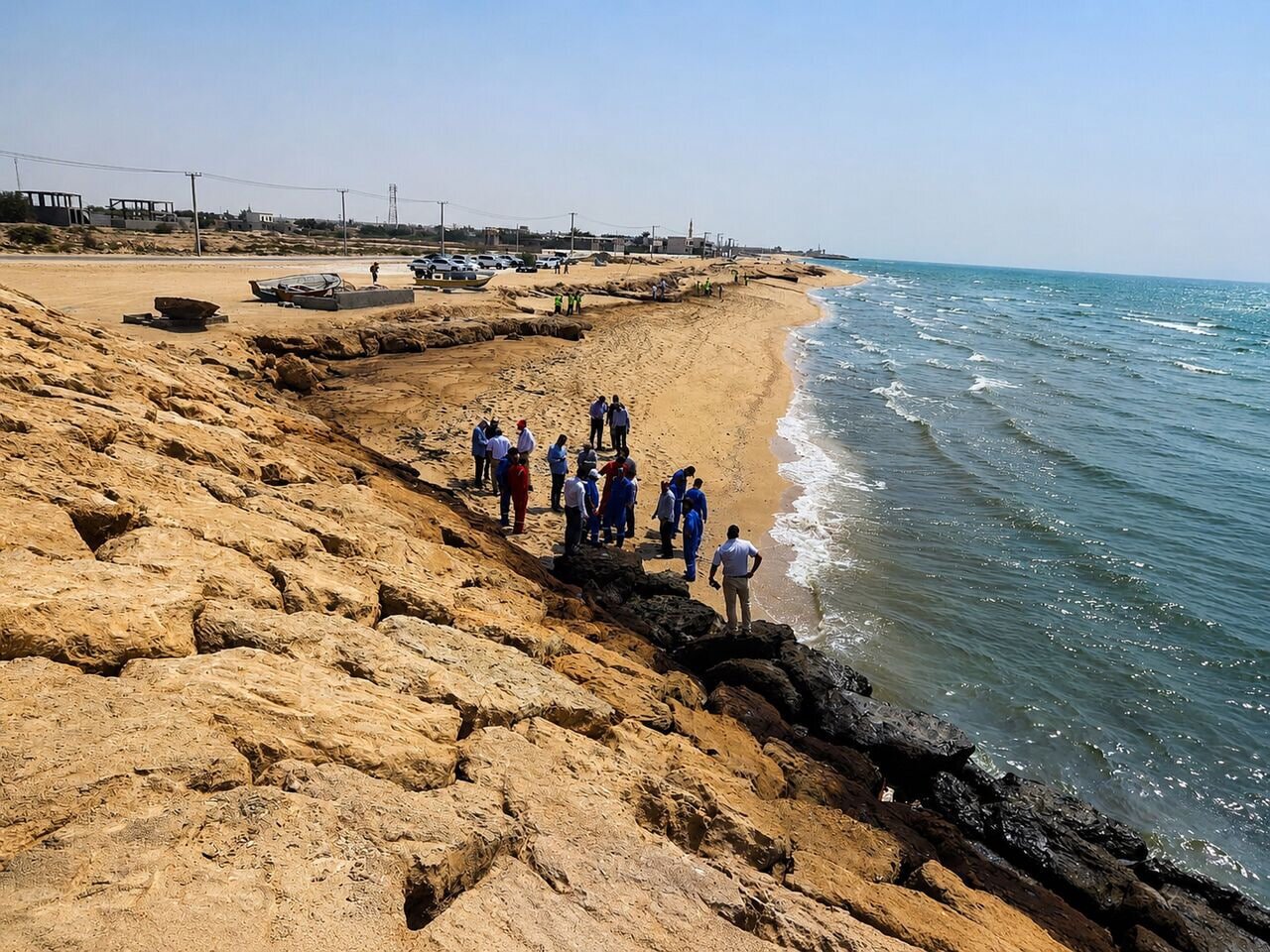
The environmental damage extends deep into the Persian Gulf. Widespread oil leaks near Qeshm and Kharg islands have contaminated delicate coastal ecosystems. Marine biologists warn that these waters—home to endangered hawksbill sea turtles, dolphins, and whales—are now suffering from persistent hydrocarbon pollution.
The Center for American Progress has highlighted that the bombing of chemical plants and infrastructure creates a “toxic legacy” that leaches heavy metals and PFAS compounds into groundwater and agricultural soil. Unlike the immediate destruction caused by a missile, these contaminants cross borders and remain in the food chain for decades, echoing the long-term environmental devastation seen in post-conflict zones like Iraq and Lebanon.
The Geopolitics of Denial
The environmental toll of the war is compounded by a leadership core largely dismissive of climate science. Since returning to office in 2025, President Trump has systematically dismantled environmental protections and clean-energy initiatives, signaling a worldview where the environment is treated as a disposable commodity.
Similarly, the Israeli military campaign, now spanning over 1,000 days in the broader regional context, has been labeled by analysts as an “intensive war against the environment.” Reports from Science Direct indicate that the cumulative emissions from these regional conflicts have already surpassed 30 million tons of carbon, a figure that continues to climb as hostilities persist.
Nuclear Risks and Future Fears
Perhaps the most alarming aspect of the conflict occurred in June 2025, when U.S. B-2 bombers joined Israeli forces to deploy bunker-busting munitions against Iranian nuclear facilities in Fordo, Natanz, and Isfahan. Experts argue that targeting such sites violates international law and poses a profound risk of radioactive contamination, which would create an irreversible humanitarian and ecological crisis.
As Felix Horne of Climate Rights International noted, the world often measures war by lives lost and neighborhoods razed, but the “toxic leftovers” often represent the most silent, lethal consequence.
For many in the international community, these events underscore a harrowing reality: the ongoing war crimes against the environment are not merely collateral damage of a political struggle, but a calculated sacrifice of the planet’s future for short-term geopolitical gain. As experts like Patrick Bigger warn, “Every missile strike is another downpayment on a hotter, more unstable planet.”