






SANTA BARBARA, Calif. — In the polarized debate over the future of global food systems, cattle are frequently positioned as a primary antagonist. Often cited for their methane emissions and land-use requirements, livestock are a focal point of environmental criticism. However, a new documentary, World Without Cows, invites audiences to look beyond the headlines and consider a more nuanced question: What would the world actually look like without them?
Directed by journalists Michelle Michael and Brandon Whitworth, the film is the result of a five-year investigation that spanned 22 countries across five continents. The documentary moves away from simplistic narratives, instead engaging in a comprehensive analysis of the role cattle play in global nutrition, soil health, and agricultural sustainability. Through interviews with a diverse array of stakeholders—including ranchers, independent scientists, farmers, and environmental experts—the filmmakers seek to untangle the complex relationship between livestock and the planet.
“When cows are managed properly, they can really play a vital role in both the health of people on this planet and the health of our planet,” Whitworth said during a discussion on the film’s findings.
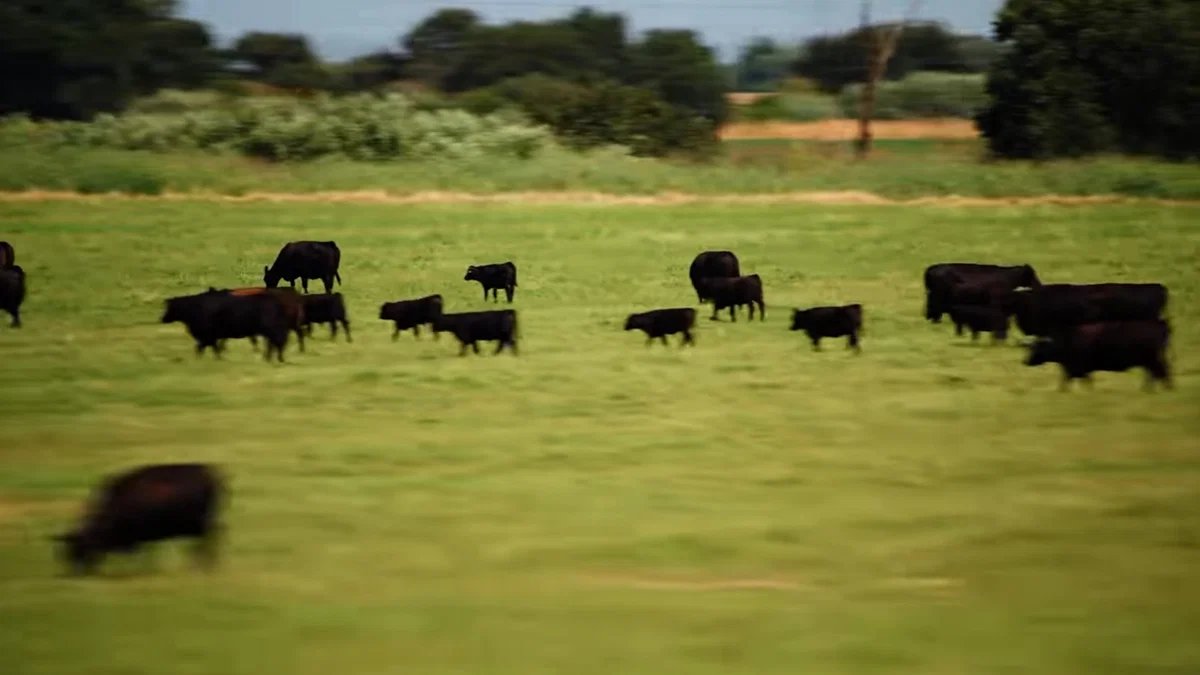
The documentary addresses the mounting pressure on the global food system to provide sufficient protein and essential nutrients to a rising human population. By examining cattle production in various geographic and economic contexts, the filmmakers illustrate that the environmental footprint of livestock is not monolithic. Rather, it is deeply tied to management practices, regional ecosystems, and agricultural infrastructure.
A central tension explored in the film is the trade-off between the undeniable environmental impact of cattle—specifically the production of methane, a potent greenhouse gas—and their potential utility in ecological restoration. The documentary investigates how, when integrated into thoughtful land management systems, livestock can contribute to soil fertility and biodiversity. This perspective challenges the conventional wisdom that total removal of livestock is the only path to a sustainable climate.
For Michael, the research underscores that there is no singular silver bullet for feeding the world. Instead, the film advocates for a pluralistic approach that acknowledges the necessity of diverse agricultural systems.
“I think what we learned is it’s going to take the best of all of the systems that we have to feed the population into the future,” Michael said. “Often we like to say: it’s not the cow, it’s the how. It’s going to be properly managed cows that are going to move the needle and get us into the future.”
By highlighting the phrase “It’s not the cow, it’s the how,” the directors aim to pivot the public conversation toward regenerative practices and holistic land stewardship. Their objective is to encourage viewers to move past binary arguments and engage with the reality that food production must balance public health, economic viability, and environmental preservation simultaneously.
The documentary is currently being featured as part of a national theatrical screening tour. For residents of the Central Coast, the film is scheduled to be shown at the Santa Barbara International Film Festival Film Center, located at 916 State Street. The local run includes screenings on October 17 at 5:20 p.m., October 18 at 2:50 p.m. and 7:20 p.m., and October 19 at 5:20 p.m.
As the global community continues to grapple with the environmental consequences of food production, World Without Cows offers an investigation into the role of one of humanity’s oldest agricultural partners. The filmmakers hope their work will empower audiences to make more informed decisions about the systems that sustain them.
For further details regarding the documentary, future screening locations, or to view the trailer, visit the official World Without Cows website.
Disclaimer: This content is auto-generated for informational purposes only.
Source: Read Original News