









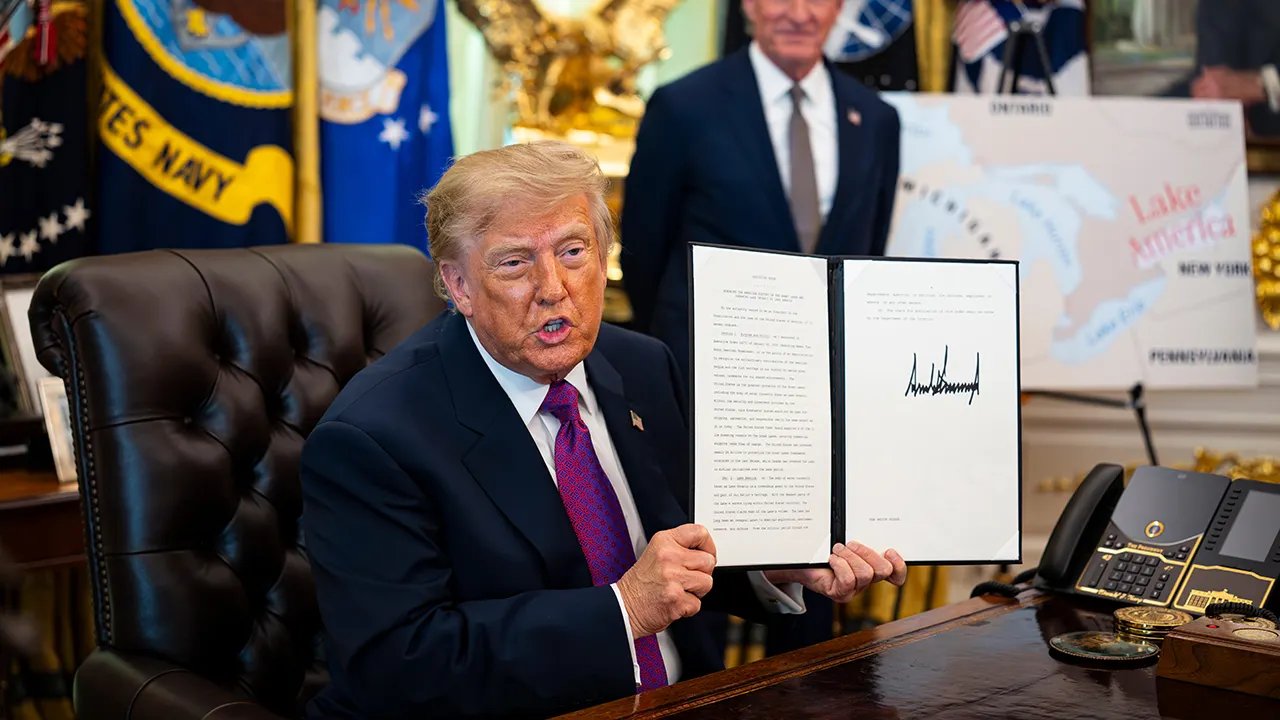
Google Maps Updates Label to “Lake America” Following Presidential Executive Order
WASHINGTON, D.C. — In a move that underscores a period of heightened geopolitical friction between Washington and Ottawa, Google Maps has officially updated its digital interface for United States users, labeling the body of water historically known as Lake Ontario as “Lake America.”
The change was implemented this past weekend after the U.S. Geographic Names Information System (GNIS)—the federal authority responsible for maintaining standard place names—formally updated its records to reflect the new designation.
A Geopolitical Shift in Cartography
The modification follows an executive order signed on August 27, 2026, by President Donald Trump. In the order, the President directed the Department of the Interior to rename the lake, citing its growing importance to the national economy and future strategic interests.
“The lake will continue to play a pivotal role in shaping America’s future and the global economy,” President Trump stated in the document. “In recognition of this flourishing economic resource and its critical importance to our Nation’s economy and its people, I am directing that the lake officially be renamed as Lake America.”
White House Communications Director Steven Cheung confirmed the rollout on social media, declaring, “It’s official! LAKE AMERICA on Google Maps.”
How the Maps Change Works
Google confirmed that the update is consistent with its long-standing policy of adhering to official government geographic data. However, the display of the name will vary based on the user’s location, reflecting the ongoing diplomatic impasse:
- For U.S. Users: The interface displays “Lake America.”
- For Canadian Users: The interface continues to display “Lake Ontario.”
- For International Users: The platform is reportedly displaying both names to account for the conflicting domestic designations.
Escalating Trade Tensions
The renaming of the landmark comes at a particularly fraught moment in U.S.-Canada relations. The two nations are currently embroiled in a severe trade dispute that has seen both sides impose significant protectionist measures.
Earlier in August, the U.S. moved forward with 50% tariffs on approximately $20 billion worth of Canadian imports, including vehicle and steel products, following the breakdown of bilateral trade negotiations. Canada responded by announcing a reciprocal $20 billion tariff package targeting U.S. goods, which is slated to take effect on September 8.
While the President had previously threatened to maintain the high tariff rates, recent reports indicate a potential pause in the trade war, with the White House signaling that some of the levies may be adjusted as negotiations continue.
As tensions remain high, the symbolic renaming serves as the latest point of contention in the strained relationship between the two North American neighbors. For those tracking the impact of these policies on public services and digital infrastructure, further details on the Google Maps transition can be monitored through official government and corporate channels.
Reuters contributed to this report.