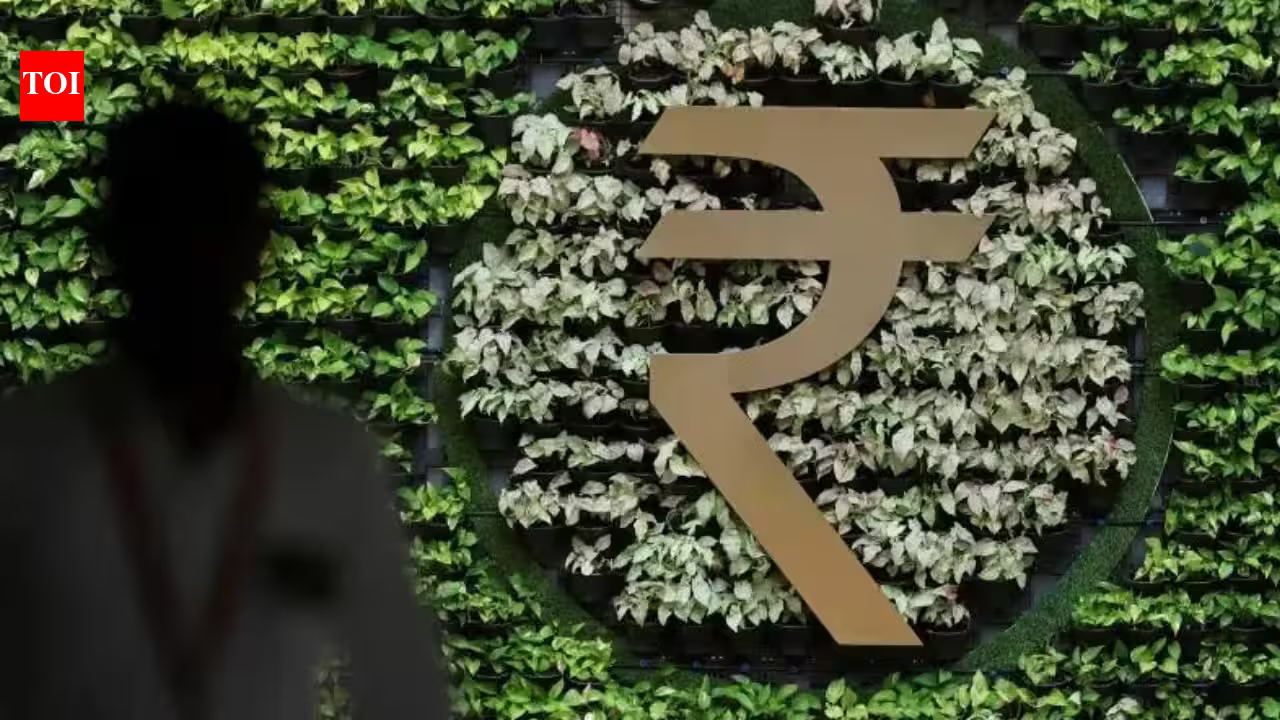









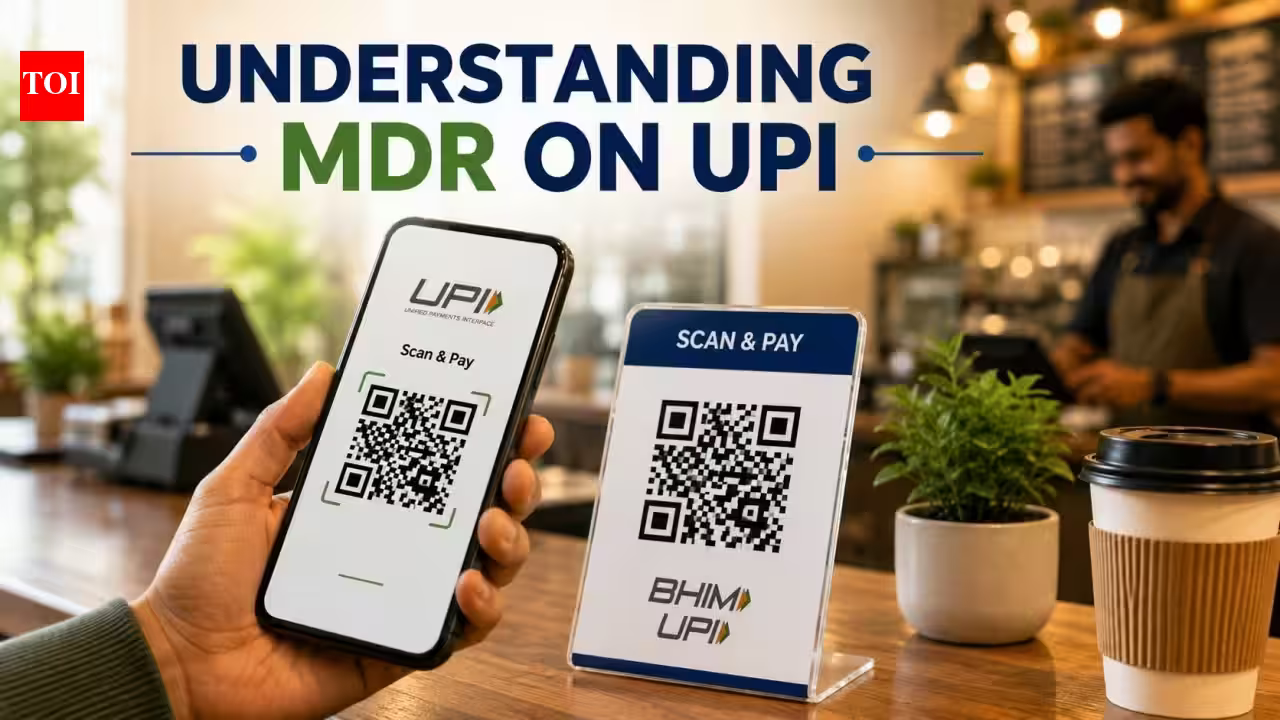
The landscape of digital payments in India is set to undergo a significant structural shift starting October 15, 2026. The National Payments Corporation of India (NPCI) has announced the implementation of a Merchant Discount Rate (MDR) on specific person-to-merchant (P2M) Unified Payments Interface (UPI) transactions. This development marks a transition for India’s home-grown payment infrastructure from a purely state-subsidized model to a sustainable, self-financed framework. As UPI continues to handle unprecedented volumes, this policy aims to balance the needs of the ecosystem with the interests of small-scale merchants and everyday consumers.
Understanding the Mechanics of UPI MDR
The Merchant Discount Rate is essentially the service fee a merchant pays for accepting digital payments. For UPI transactions exceeding Rs 2,000, a standard MDR of 0.4% will be applied. This fee is not a charge to the consumer; it is an operational expense incurred by the merchant for the convenience of accepting instant digital payments. Crucially, the policy includes a cap for high-value transactions: for any payment of Rs 75,000 or above, the MDR is fixed at a maximum of Rs 300 per transaction. This ensures that larger commercial payments remain cost-effective and predictable for businesses.
It is vital to distinguish between different types of transactions. Person-to-person (P2P) payments, such as sending money to friends or family, remain completely free. Similarly, small-value transactions below the Rs 2,000 threshold are exempt from these charges. This dual-layered structure ensures that more than 95% of UPI transactions by volume continue to operate without any financial friction for the average user, maintaining the accessibility that has made UPI a household phenomenon.
Rationale Behind the Shift to Sustainability
For years, the resilience and rapid scaling of UPI were bolstered by government subsidies and incentives. However, as the system processes billions of transactions monthly—reaching over 2,400 crore transactions in August 2026 alone—the cost of maintaining the underlying infrastructure has risen significantly. The annual expenditure for managing server bandwidth, ensuring cybersecurity, upgrading fraud detection algorithms, and providing consistent customer support is estimated at approximately Rs 20,000 crore.
Relying indefinitely on government subsidies poses risks to long-term innovation. By introducing a modest MDR, the ecosystem secures a dedicated revenue stream. This capital is intended to be reinvested into technological resiliency and cybersecurity, protecting the national payment network against increasingly sophisticated digital threats. Furthermore, this commercial framework creates a level playing field, encouraging more fintech startups to enter the market. When processing is commercially viable, companies are better equipped to innovate rather than merely operating on thin margins or long-term financial losses.
Protecting Micro-Merchants and Informal Retail
A central concern regarding payment fees is the impact on the unorganized sector, particularly small street vendors and local shopkeepers. To address this, the NPCI maintains the Person-to-Person-Merchant (P2PM) framework. Under this classification, small merchants who receive up to Rs 1 lakh per month via UPI QR codes are exempt from MDR. This provision ensures that the smallest participants in the Indian economy—those who form the backbone of local retail—are shielded from additional costs.
The P2PM model is designed to be seamless. Merchants do not need to replace their existing QR codes or interact with complex software to benefit from these exemptions. The system tracks transaction velocity to identify those who fall under the P2PM category. Only when a merchant’s monthly inward credit consistently exceeds the Rs 1 lakh threshold for three consecutive months does the system transition them to a standard P2M classification. This approach prevents regulatory hurdles and ensures that the transition to digital adoption remains an asset rather than a burden for micro-enterprises.
Sector-Specific Adjustments and Fixed Fees
Recognizing that different sectors operate under different profit margins, the NPCI has introduced flat-fee structures for essential services. For categories such as railway payments, fuel, insurance premiums, and municipal utility bills, the standard 0.4% variable rate is replaced by a flat fee of Rs 5 per transaction for amounts above Rs 2,000. This fixed-fee approach is particularly beneficial for sectors with thin margins where percentage-based deductions could significantly impact operational sustainability.
Capital market transactions, such as investments in mutual funds, stockbroker payments, and securities dealings, have been assigned a distinct, lower MDR of 0.02%. This incentivizes retail investors to participate in formal financial markets through digital channels. By segmenting the economy into these specialized categories, the policy ensures that essential services remain affordable for the public while providing a structured, logical framework for the financial industry to recover operational costs.
Maintaining Consumer Confidence and Market Integrity
A common point of confusion among the public is whether these charges will lead to increased prices for goods and services at retail stores. History and market dynamics indicate otherwise. Digital payment acceptance is increasingly viewed by merchants as a standard operational overhead, similar to electricity or rent, which is justified by the benefits of increased footfall, higher transaction values, and the reduction of cash-handling risks. Because the UPI MDR is significantly lower than the fees associated with credit cards (which often range from 1.5% to 2.5%) or debit cards, there is little economic incentive for merchants to increase shelf prices.
Furthermore, the policy strictly prohibits merchants from passing these MDR charges onto the consumer. Customers will continue to pay exactly what is listed on the price tag, whether they scan a QR code at a tea stall or pay at a high-end retail outlet. The NPCI has also clarified that UPI applications are prohibited from levying any “platform fees” on UPI transactions, ensuring that the interface remains free for the common user.
As India’s digital footprint expands—with UPI already operational in several international markets—a self-sustaining economic model is essential. By formalizing these fee structures, the Indian payments ecosystem is positioning itself to be more secure, robust, and globally competitive. As the implementation date of October 15, 2026, approaches, the focus remains on clear communication and the establishment of a dedicated fund to assist in the onboarding of small merchants in Tier 3 to Tier 6 cities, ensuring that the benefits of the digital revolution continue to reach the furthest corners of the country.
Disclaimer: This content is auto-generated for informational purposes only.
Source: Read Original News