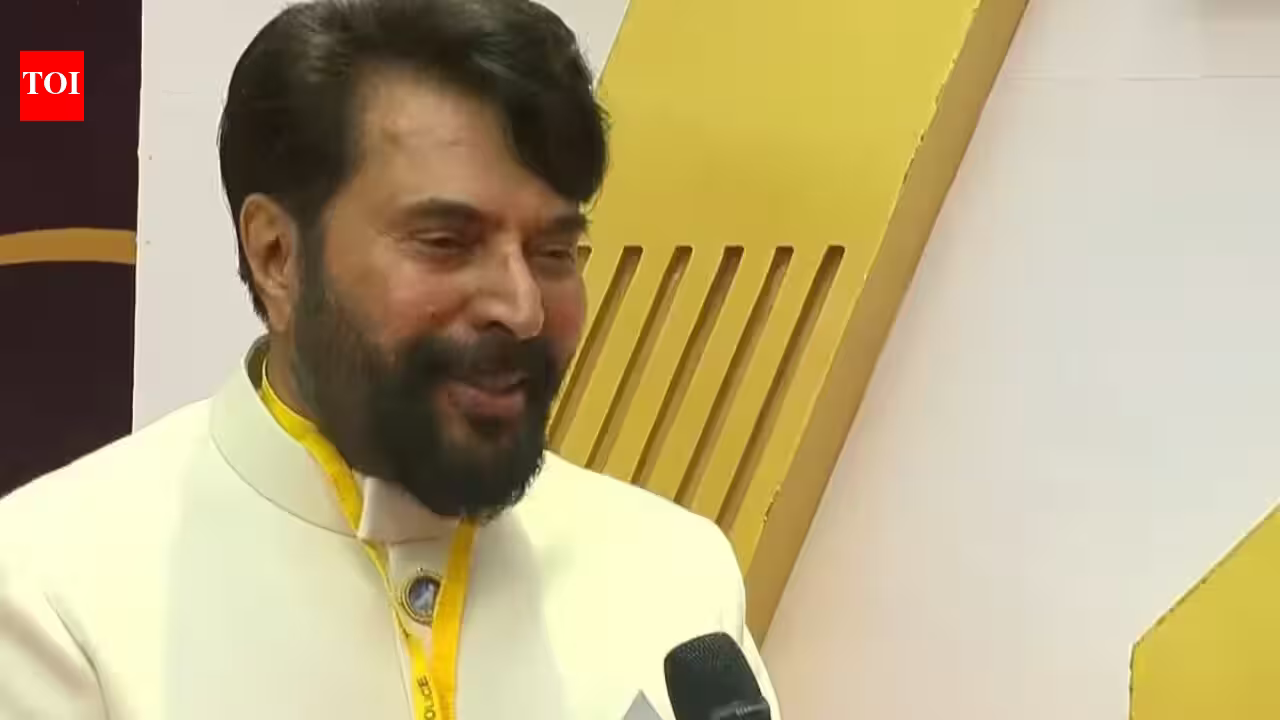






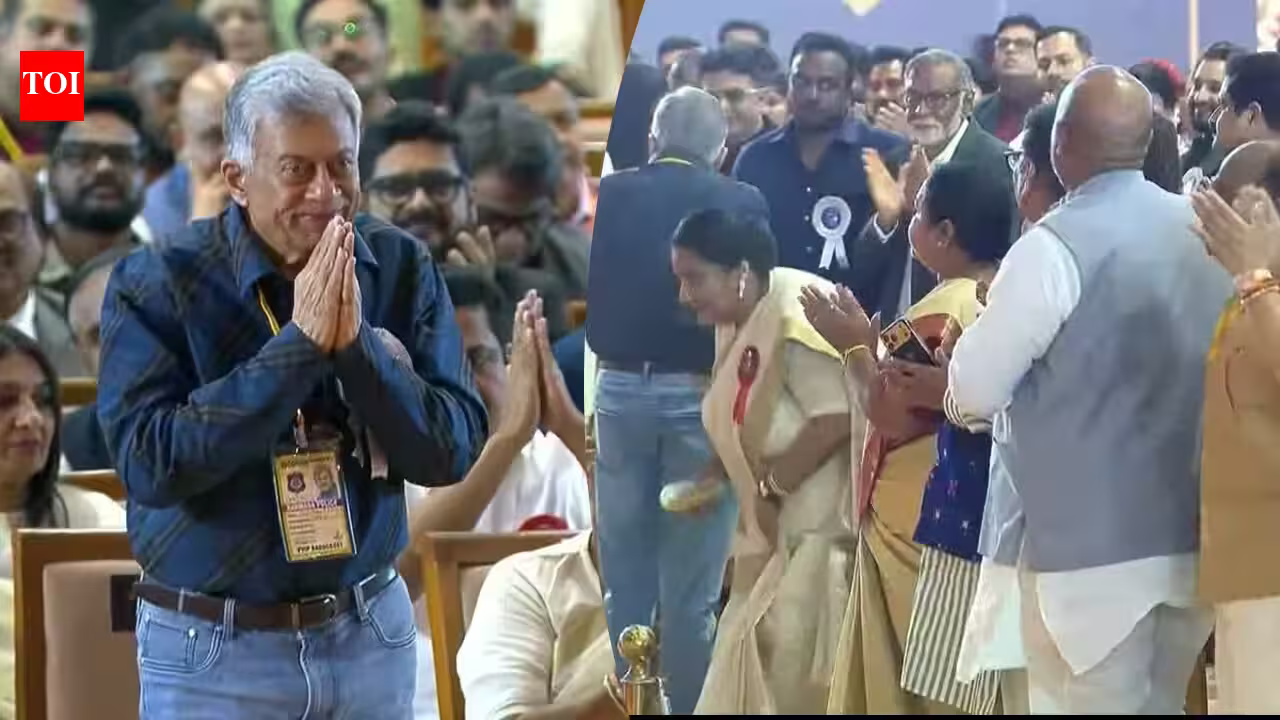
The air inside the Vigyan Bhawan was thick with a palpable sense of reverence this Tuesday. As the 72nd National Film Awards unfolded, the usual buzz of industry chatter gave way to a singular, unifying moment of respect. When the name Anant Nag was announced as the recipient of the Dadasaheb Phalke Award for 2024, the hall didn’t just applaud; it rose in unison. It was a standing ovation that felt less like a protocol and more like a collective “thank you” to a man who has spent over half a century defining the very soul of Indian—and specifically Kannada—cinema.
For those who have followed the trajectory of Anant Nag, this accolade isn’t just a career milestone; it is the formal acknowledgement of an institution. Standing on stage, stoic and humble as ever, Nag accepted the honor, while Union Minister for Information and Broadcasting, Ashwini Vaishnaw, summed up the sentiment of the nation perfectly: “You have rendered great service to the film industry. He has served the world of cinema for more than five decades.”
Anant Nag honoured for more than five decades of contribution to cinema
The Dadasaheb Phalke Award is the highest honor in Indian cinema, a lifetime achievement recognition that carries the weight of history. In selecting Anant Nag, the committee has cast a spotlight on an actor who never relied on the pyrotechnics of stardom to sustain his relevance. Instead, Nag built his legacy on the bedrock of substance.
Ashwini Vaishnaw’s tribute underscored a crucial point: longevity in the film industry is not merely about surviving the changing tides of trends; it is about evolving with them. Nag’s career trajectory is a masterclass in adaptation. From the grounded, emotionally resonant dramas of the 1970s and 80s to the high-octane, pan-Indian spectacles of the modern era, Nag has remained a constant. His contribution is not just in the number of films he has headlined, but in the gravitas he brings to every single frame, ensuring that the craft of acting remains front and center, regardless of the budget or the scale of the production.
Anant Nag’s Dadasaheb Phalke honour celebrates an enduring acting journey
To understand the magnitude of this award, one must look at the nature of Nag’s performances. He is an actor’s actor. Whether he was playing the romantic lead in a film that tugged at the heartstrings or inhabiting a character in a biting social satire, Nag brought a level of restraint that is rare in an industry often enamored with hyperbole.
His work is characterized by an uncanny attention to detail. He captures the nuances of the “everyman”—the frustration of a middle-class father, the weary eyes of a seasoned veteran, or the hidden complexities of a man caught between morality and ambition. This innate ability to ground his characters in reality allowed him to transcend regional boundaries. While he is a titan of Kannada cinema, his influence has rippled across Indian filmmaking, earning him respect from peers in Mumbai, Chennai, and Hyderabad. The standing ovation he received wasn’t just for his longevity; it was for the integrity he maintained throughout those fifty years, never compromising his artistic identity for the sake of easy fame.
From ‘Naa Ninna Bidalaare’ to ‘K.G.F’: Anant Nag’s memorable filmography
A walk through Anant Nag’s filmography is a journey through the evolution of Kannada cinema itself. In the early days, films like Naa Ninna Bidalaare and Bayalu Daari showcased a young actor with an effortless charm and an ability to hold the screen with minimal artifice. He became the face of a new wave of storytelling—one that was more intimate, poetic, and socially conscious.
As the decades progressed, he showcased a penchant for comedy and satire that few could match. Anantana Avantara, Ganeshana Maduve, and Gauri Ganesha are not just hit films; they are cultural touchstones in Karnataka, representing a period where Nag’s comedic timing became the gold standard. He proved that he could pivot from intense drama to lighthearted farce without breaking a sweat.
Yet, perhaps the most impressive aspect of his career is his refusal to retire into the shadows of the “veteran” tag. His participation in modern-day juggernauts like K.G.F: Chapter 1 and Chapter 2 introduced his immense talent to a new, global generation of film enthusiasts. Whether he is playing the role of a journalist or an elder statesman, he brings the same intensity that he brought to his earliest roles. It is this bridge between the classic era and the contemporary blockbuster that makes his Dadasaheb Phalke honor so profoundly deserved.
A Legacy of Integrity in a Changing Industry
As we look back at the career of Anant Nag, it’s clear that his legacy is defined by more than just his scripts or his box-office numbers. It’s defined by his consistency. In an industry that is notoriously fickle, where fortunes rise and fall with the weekend box office, Anant Nag has remained a steady, reliable, and deeply respected figure.
He never sought to be the “hero” in the traditional, one-dimensional sense. Instead, he chose to be the actor who could disappear into a role, allowing the story to take precedence over his own ego. That self-effacement, ironically, is what made him stand out. When he speaks, even off-screen, there is a thoughtful measured quality that matches his performances—a man who has seen everything, participated in everything, and remained fundamentally unchanged by the glitter of it all.
The 72nd National Film Awards will likely be remembered for many things, but for many in the industry, the image of a teary-eyed, standing audience acknowledging Anant Nag will be the defining frame. It was a reminder that while cinema is an art of illusions and technology, it is sustained by the humanity of those who dedicate their lives to it. Anant Nag has lived that life with grace, humility, and an unrelenting passion for the craft, and today, that lifelong devotion has finally received the monumental recognition it deserves. The industry may have evolved beyond recognition since his debut, but the respect for Anant Nag remains as timeless as the man himself.
Disclaimer: This content is auto-generated for informational purposes only.
Source: Read Original News