







Rahul Gandhi Alleges Systematic ‘Rigging’ of Indian Elections, Demands Probe into PM and Home Minister
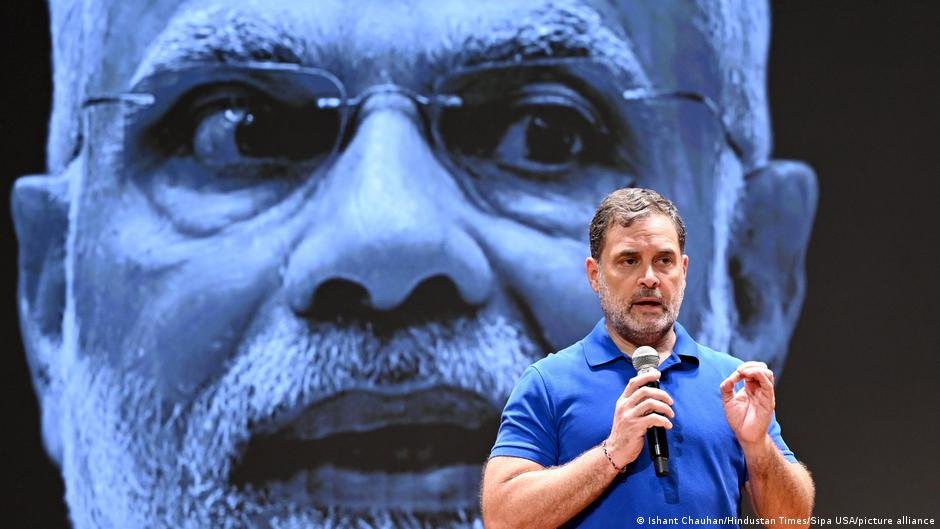
NEW DELHI — Political tensions in India reached a fever pitch on Thursday as Leader of the Opposition Rahul Gandhi launched a blistering attack against the government, accusing Prime Minister Narendra Modi and Home Minister Amit Shah of orchestrating a conspiracy to undermine the nation’s democratic foundations. The accusations follow mounting controversy surrounding the Election Commission of India (ECI) and its conduct during the ongoing Special Intensive Revision (SIR) of voter rolls.
Growing Rift within the Election Commission
The firestorm was ignited by a recent investigative report revealing that Chief Election Commissioner (CEC) Gyanesh Kumar has faced significant internal dissent. Documents indicate that Kumar’s fellow election commissioners have filed at least 14 formal objections over the past ten months, challenging the ECI’s handling of electoral data and voter registrations.
In one particularly damning instance, the commissioners asserted that the ECI bypassed internal protocols to execute decisions that were explicitly labeled as “unauthorized and illegal.” These revelations have bolstered the claims of opposition leaders and the “Cockroach Party” movement, both of which argue that the ECI is no longer acting as an impartial arbiter of the democratic process.
Allegations of Voter Suppression
The ECI maintains that the Special Intensive Revision is a routine procedural exercise designed to clean up voter lists by purging deceased individuals, identifying relocated citizens, and preventing the registration of foreign nationals. However, critics argue that the scale of the deletions is unprecedented and targeted.
Opposition figures contend that the exercise has resulted in the systematic removal of millions of legitimate voters, a move they claim has disproportionately bolstered the electoral prospects of the ruling Bharatiya Janata Party (BJP). “If the sanctity of the vote is destroyed, the very essence of our Constitution loses its power,” Gandhi stated during a press conference in New Delhi. “We are witnessing the slow erosion of the democratic framework that defines India.”
Calls for Accountability
Gandhi did not mince words when addressing the leadership of the ECI, specifically targeting the elevation of Gyanesh Kumar to the top post. The opposition leader claimed that Modi and Shah forced the appointment despite his formal dissent, suggesting that the move was a calculated effort to install a loyalist at the helm of the commission.
“The Prime Minister and the Home Minister are at the epicenter of this conspiracy,” Gandhi alleged, demanding a transparent, high-level investigation into their roles in the commission’s recent administrative shifts.
BJP Defends the Commission
In response to the escalating crisis, the BJP has mounted a robust defense of both the Election Commission and its internal processes. Party spokesperson Sudhanshu Trivedi dismissed the allegations as politically motivated theater, asserting that the ECI is an independent constitutional body operating within its legal mandate.
“The Special Intensive Revision is a legally sound exercise carried out by the commission,” Trivedi stated. He added that the ECI operates on the principle of majority consensus and that the authority to carry out such revisions is granted to the commission under existing electoral laws.
As the country braces for the fallout of these accusations, the crisis has cast a long shadow over the integrity of future electoral exercises, leaving civil society and legal experts questioning the future of institutional independence in India.
Disclaimer: This content is auto-generated for informational purposes only.
Source: Read Original News