








Main Streets Drive India’s Retail Leasing Boom Amid Shrinking Mall Supply
India’s retail real estate sector witnessed a resilient performance in the third quarter of 2026, even as the market grappled with a significant scarcity of high-quality retail spaces. According to the latest Retail MarketBeat report by Cushman & Wakefield, the gross leasing volume (GLV) across the country’s top eight cities touched 2.22 million square feet (MSF). While this figure represents a minor moderation in quarterly activity, the year-to-date performance remains robust, echoing sustained confidence among brands to expand their physical footprint.
Main Streets Retain Dominance
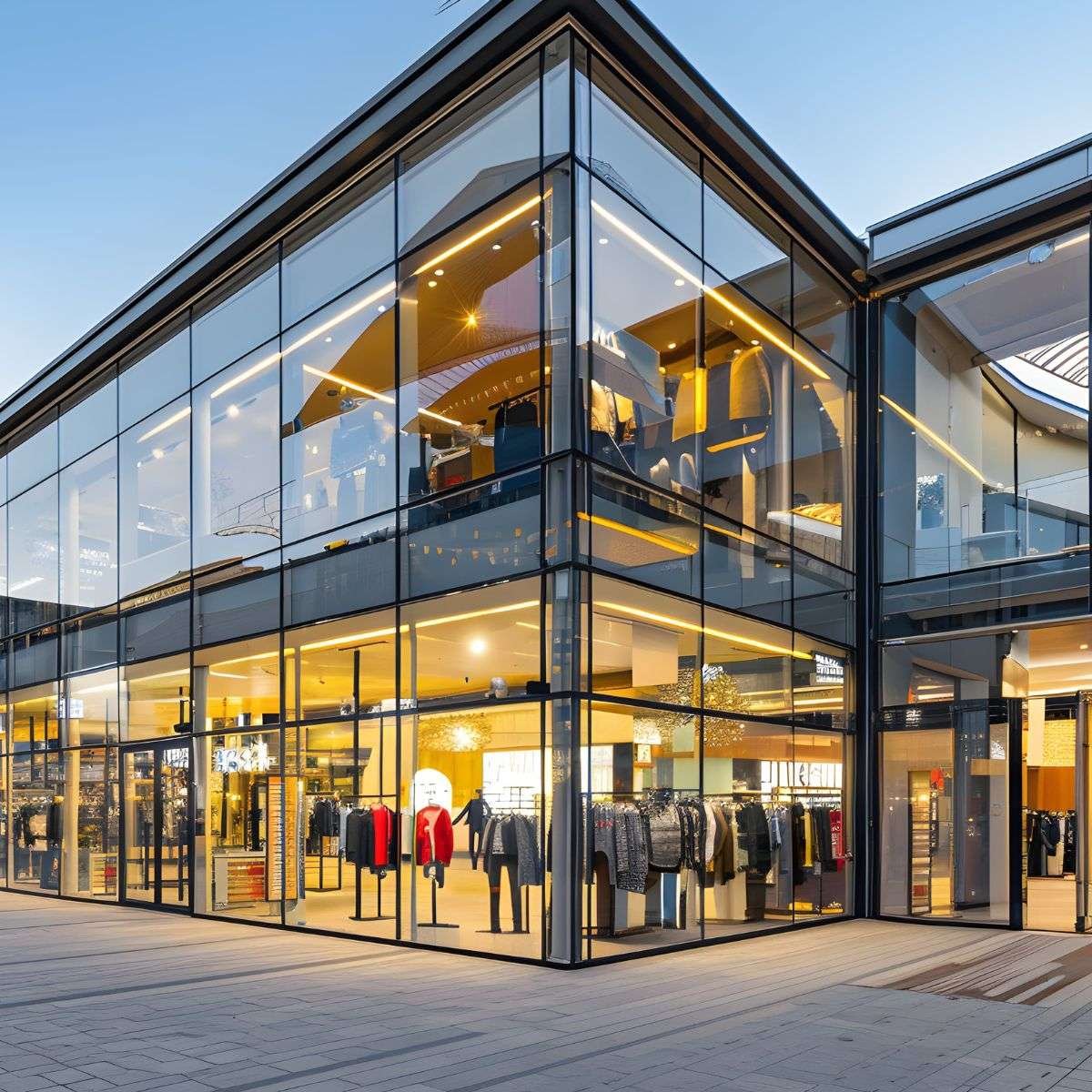
The shift toward high-visibility locations has become a defining trend for retailers this year. In Q3, main streets emerged as the clear frontrunners, capturing a substantial 67.9% of the total leasing volume, equivalent to 1.51 MSF. This segment recorded an impressive year-on-year growth of 33.1%, underscoring a preference for prominent, high-street visibility.
Conversely, the mall segment faced headwinds, accounting for 32.1% of the total leasing. This decline, a 42.1% drop quarter-on-quarter, is largely attributed to a supply-side crunch. For the third consecutive quarter, the market saw an absence of new Grade A mall completions, leaving retailers with fewer premium options in organized shopping centers. Consequently, Grade A mall vacancy levels have tightened further, dipping to 4.8% from 5.0% in the previous quarter.
Domestic Brands Lead the Charge
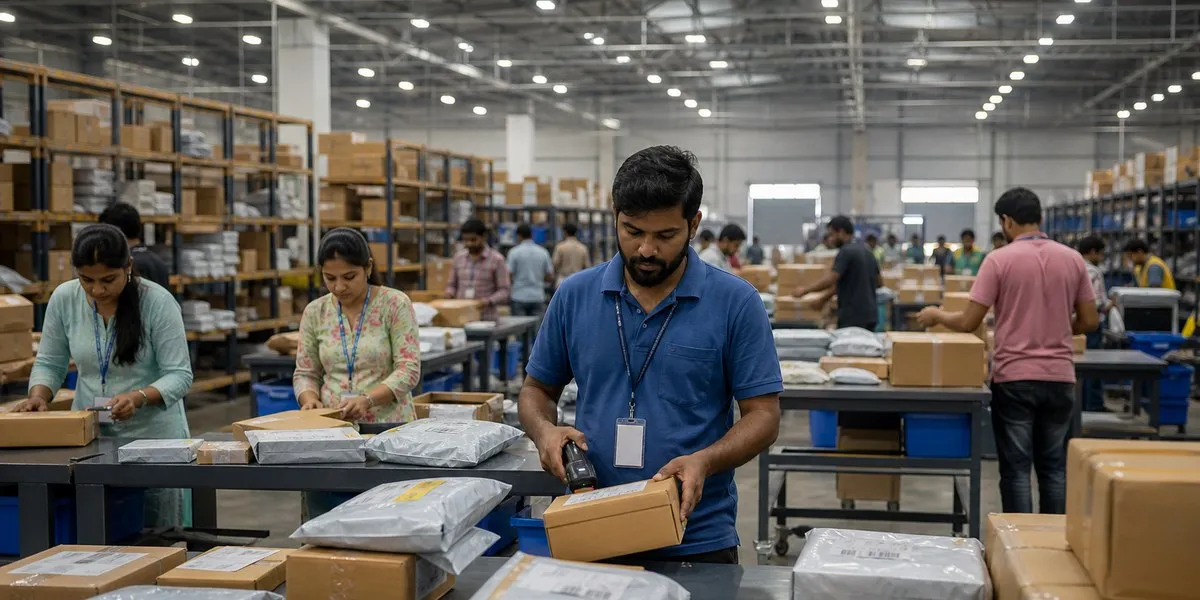
Home-grown brands continued to dominate the leasing landscape, accounting for 86.3% of the total area occupied during the quarter. This expansion, totaling 1.92 MSF, reflects the aggressive growth strategies of domestic retailers across tier-one cities. While international brands contributed 13.7% to the total volume, the heavy lifting by local players continues to serve as the backbone of India’s retail momentum.
In terms of product categories, the trio of Fashion, Food & Beverage (F&B), and Accessories & Lifestyle remained the primary growth drivers, collectively securing 57.2% of the quarterly leasing volume.
Key City Performances
Geographically, the retail action was concentrated in three major urban centers. Delhi NCR, Hyderabad, and Mumbai were the most active, responsible for 61% of the total pan-India leasing activity.
- Delhi NCR topped the charts with 0.55 MSF (24.9% share).
- Hyderabad followed with 0.45 MSF (20.3% share), showing strong growth of 22% quarter-on-quarter.
- Mumbai recorded 0.35 MSF, capturing 15.7% of the leasing pie.
Other notable markets included Bengaluru, Pune, and Chennai, each contributing steadily to the overall demand. Kolkata, though a smaller market by volume, saw the most significant growth, with leasing volumes surging by over 113% quarter-on-quarter.
Future Outlook and Supply Pipeline
Retail rents on prime high streets have seen a steady appreciation, with an average increase of 6.8% year-on-year. This upward pressure on rentals highlights the intense competition for well-positioned retail corridors.
Industry experts suggest that the current market constraints will eventually ease as new supply comes online. With approximately 12.7 MSF of Grade A mall space expected to be added to the market through 2028, stakeholders anticipate a broader expansion for brands. Gautam Saraf, Executive Managing Director at Cushman & Wakefield, emphasized that the upcoming supply will be critical for unlocking suppressed demand. He noted that as new projects reach completion, the winners in the sector will be determined by a blend of superior location, accessibility, and the ability to offer an immersive, experience-led consumer journey.
Disclaimer: This content is auto-generated for informational purposes only.
Source: Read Original News