









The Expansion of the Xbox Game Pass Library
The digital landscape for gaming services continues to shift as Microsoft bolsters its Xbox Game Pass ecosystem with a trio of highly anticipated titles arriving in early October. This strategic deployment of content serves to maintain user engagement while demonstrating the hardware capabilities of the modern console generation. By integrating day-one releases into the subscription model, Microsoft effectively lowers the barrier to entry for high-fidelity titles, allowing a broader user base to interact with complex game design and advanced graphics engines without the requirement of individual retail purchases.
This week’s release cycle highlights a diverse spectrum of genres, ranging from intensive, cinematic action-adventure games built on industry-leading engines to high-speed, cooperative roguelite experiences. As these titles become available, users can expect a mix of long-form narrative exploration and repeatable, skill-based gameplay loops.
Technical Fidelity in Gears of War: E-Day
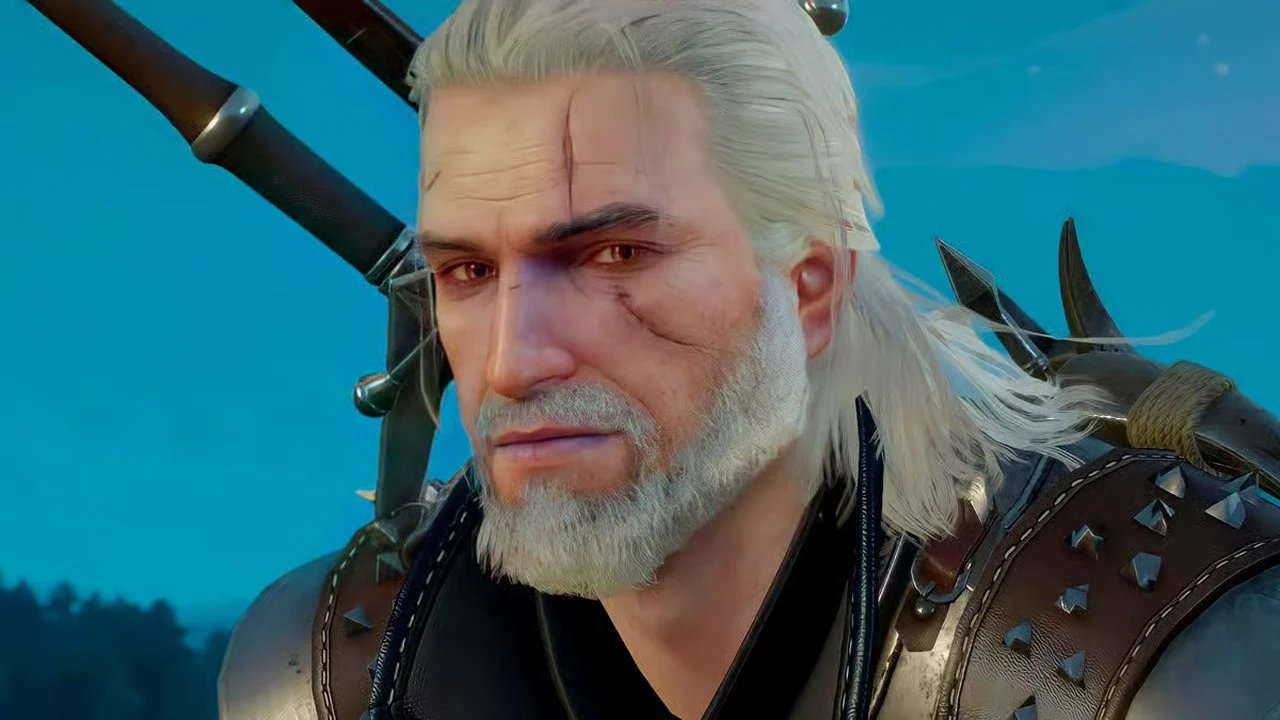
Perhaps the most significant addition to the platform is Gears of War: E-Day, launching on October 6th. This title represents a technical milestone for the franchise, as it is constructed entirely within Unreal Engine 5. By leveraging features such as Nanite geometry and Lumen global illumination, the developers have aimed to establish a level of environmental realism and character detail that sets a new benchmark for the series.
The narrative functions as a prequel, detailing the arrival of the Locust Horde through the perspectives of Marcus Fenix and Dominic Santiago. Beyond the campaign, the technical architecture of the multiplayer component introduces a revamped Horde Siege mode. This PVE framework utilizes improved artificial intelligence routines and persistent physics interactions to create a survival experience that stresses cooperative strategy. The commitment to performance, particularly in high-intensity combat scenarios, suggests that developers are fully utilizing the current generation’s processing power to maintain consistent frame rates even when the screen is saturated with particle effects and complex lighting calculations.
Mastering Mechanics in Echo Weaver
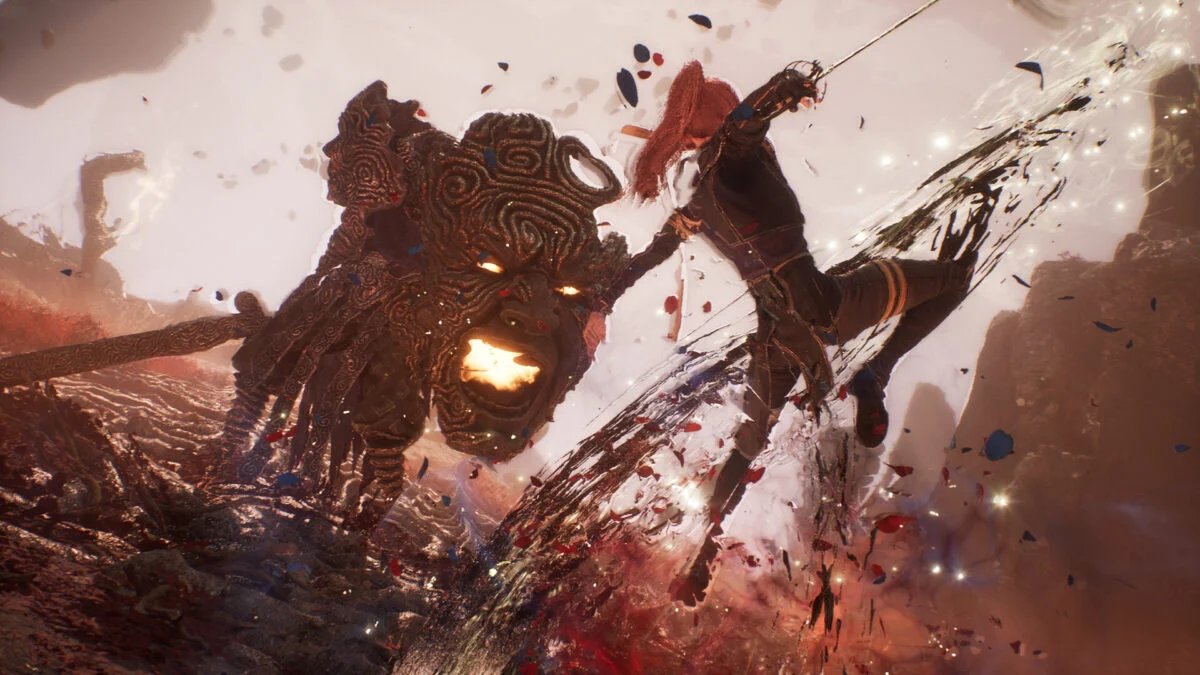
Arriving on October 8th, Echo Weaver introduces a shift in gameplay philosophy by focusing on a knowledge-based progression system. Unlike traditional progression models where character power is tied solely to numerical stat increases, Echo Weaver forces the player to rely on information retention as the primary tool for overcoming obstacles. This “unraveling time loop” mechanics require the player to synthesize data gathered across multiple runs to manipulate time-altering anomalies within the environment.
From a design perspective, this creates a unique recursive loop. Users must map out spatial layouts and event triggers, utilizing their findings to navigate increasingly difficult traversal puzzles. The game invites players to engage with the system as a puzzle-solving mechanism, where the “upgrade” is not a physical item, but the player’s own understanding of how the game world reacts to temporal manipulation. Those interested in experiencing this mechanical framework can access a free demonstration currently hosted on the Xbox Store, allowing for a preview of the core systems before the full release.
Cooperative Roguelite Dynamics in Neon Abyss 2
Completing the trio is Neon Abyss 2, which also launches on October 8th. As a successor to its critically acclaimed predecessor, this title refines the roguelite run-and-gun formula by introducing support for up to four-player online cooperative play. This structural change significantly alters the technical requirements for synchronization, as the game must maintain state consistency across multiple clients during high-speed, chaotic combat sequences.
The game is distinguished by its distinct pixel-art aesthetic combined with high-contrast, neon-infused lighting effects. The inclusion of unlimited item synergies—where various power-ups interact to produce unpredictable combat results—adds a layer of mathematical complexity to each run. Having successfully navigated a PC early access period with a “Very Positive” rating on Steam, the 1.0 release represents the final integration of all planned features, balancing, and network optimizations. This expansion of the cooperative ecosystem allows for more complex group strategies, where players must coordinate their abilities to survive the shifting procedural layouts of the game world.
Infrastructure Impact and Future Projections
The consistent rollout of day-one titles on Xbox Game Pass creates a significant shift in how players interact with modern software. By moving away from a traditional purchase-based model toward a library-as-a-service approach, Microsoft is creating a testing ground for various gameplay styles. Whether it is the blockbuster graphical prowess of a franchise like Gears of War or the innovative, systemic design found in titles like Echo Weaver, the platform acts as a catalyst for player discovery.
The technical implications of these updates extend beyond the games themselves. As developers increasingly focus on optimizing their titles for the Game Pass environment, they must contend with varying hardware configurations and network connectivity states. The success of these three titles will likely influence future development cycles, emphasizing the necessity of robust multiplayer backends, optimized engine performance, and creative, non-linear gameplay loops. As the gaming industry continues to evolve, the ability to deliver high-quality, stable software on the day of release remains the primary metric by which service viability is measured. Users should remain prepared for potential additional announcements as the week progresses, as the current list may serve as a baseline for October’s broader content strategy.
Disclaimer: This content is auto-generated for informational purposes only.
Source: Read Original News