







SRINAGAR/JAMMU – Jammu and Kashmir is currently navigating a period of significant administrative and social transformation, marked by high-stakes policy shifts, institutional controversies, and a renewed focus on regional infrastructure.
In a landmark move for the region’s transport sector, the administration has unveiled the “J&K Electric Vehicle Policy-2026.” The six-year roadmap aims to put 1.4 lakh EVs on the road by 2032. To accelerate this transition, the government has earmarked Rs 50 crore annually for scrappage-linked incentives, offering significant subsidies for e-buses, personal cars, and two-wheelers. Simultaneously, authorities are cracking down on older, high-polluting vehicles, mandating the seizure of commercial vehicles that exceed the 25-year age limit. This environmental push extends to the industrial sector, where the Pollution Control Committee has issued 146 closure orders to stone-crusher units since January 2025.
In the legislative sphere, a proposal to hike salaries for lawmakers was abruptly withdrawn by Chief Minister Omar Abdullah following a heated protest by BJP MLAs. While a legislative committee had recommended the increases, the move sparked internal discord, prompting the government to shelve the legislation until unanimous support can be secured. Speaker Abdul Rahim Rather has also exerted pressure on the executive branch, demanding the notification of a long-pending “One Officer One Car Policy” within 15 days to curb the alleged misuse of public resources.
The region has also seen heightened attention toward public health and welfare. In Doda, an inquiry is underway at the Government Medical College after students alleged they were barred from a labour room for wearing burqas. The incident has sparked protests and drawn the intervention of local political leadership. Meanwhile, the administration is reporting progress on animal welfare, with over 68,000 stray dogs sterilized under an expansive birth control programme. In a separate operation, authorities in Kathua rescued 28 children—including 18 girls—from an industrial unit, reinforcing a zero-tolerance policy against child labour.
On the cultural and geopolitical front, Jammu and Kashmir continues to assert its identity. India has formally updated Survey of India maps to include standardized names for 28 geographical features in Ladakh, a move intended to solidify territorial claims amid ongoing border tensions.
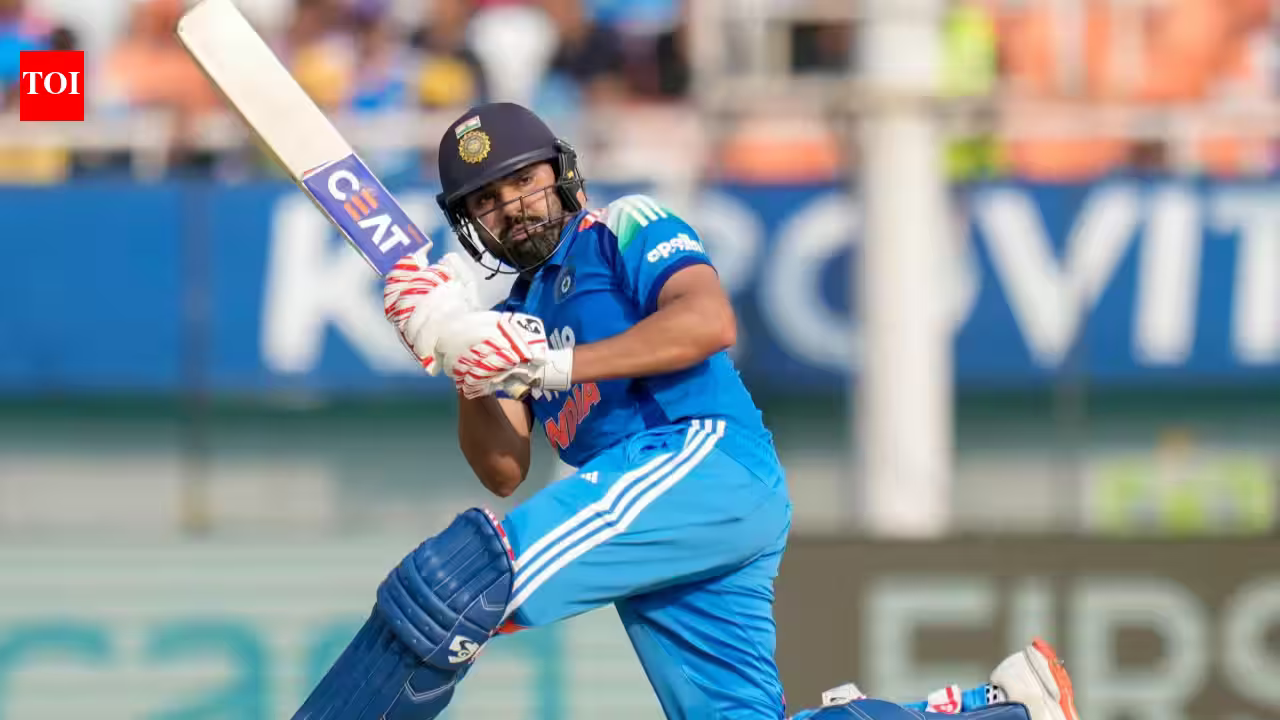
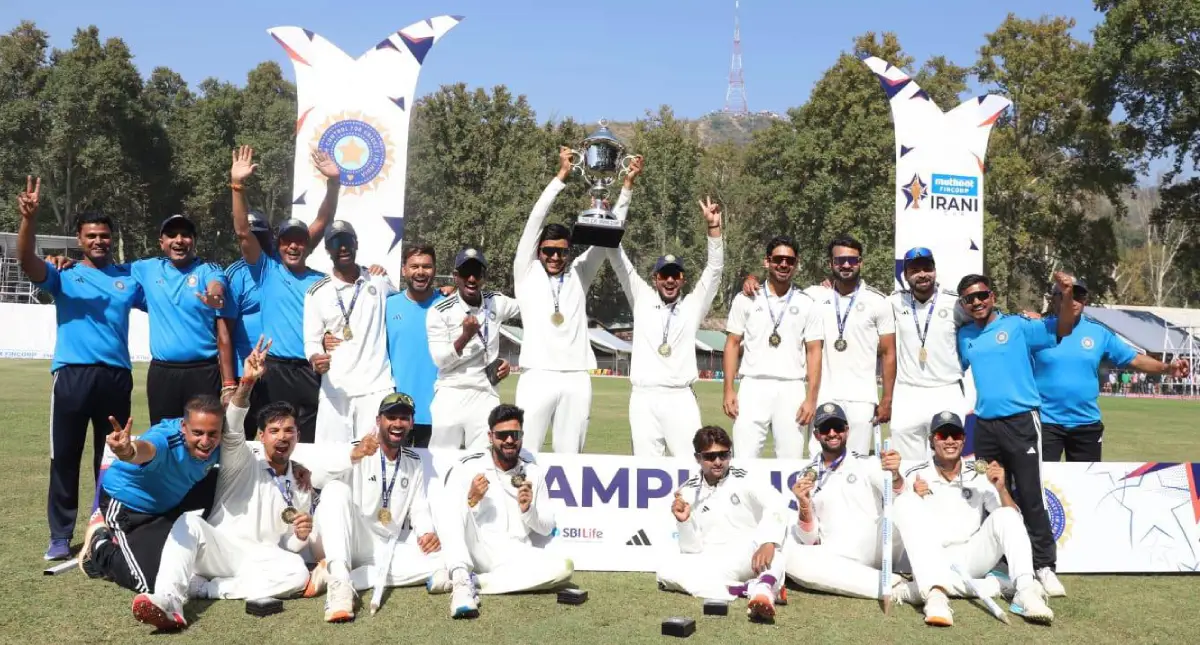
In the sporting arena, Srinagar’s Sher-e-Kashmir Cricket Stadium has witnessed a historic turnaround, hosting its first-ever Irani Cup match. The event, which drew nearly 5,000 spectators, served as a stark departure from the stadium’s volatile history. Adding to the regional pride, Baramulla pacer Auqib Nabi has become the third player from the region to debut for India in ODIs, a milestone that underscores the growing potential of Kashmir’s grassroots sporting talent.
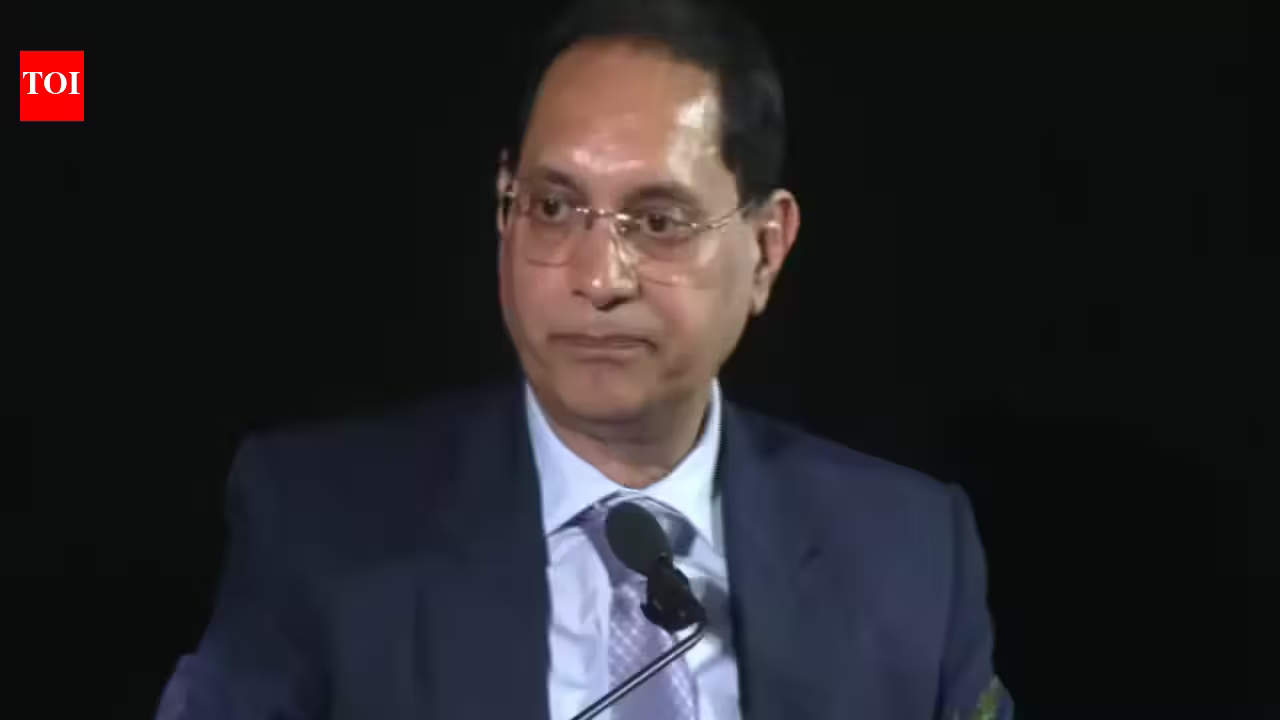
Finally, the literary world is buzzing over former R&AW chief AS Dulat’s debut novel, Our Kind of Games. The book, which draws heavily from Dulat’s own experiences as head of the Intelligence Bureau in Kashmir during the 1990s, offers a rare, fictionalized window into the high-stakes world of intelligence operations, further cementing the region’s complex narrative in the public imagination.
Disclaimer: This content is auto-generated for informational purposes only.
Source: Read Original News