









The Reality of Industry Downsizing at Supermassive Games
The video game industry is currently navigating a period of significant structural adjustment, characterized by a wave of workforce reductions across various high-profile studios. Supermassive Games, the developer renowned for cinematic horror titles such as Until Dawn and The Dark Pictures Anthology, has officially confirmed the conclusion of a layoff process that has resulted in the departure of more than 70 staff members. This development, while anticipated following management warnings provided several months prior, highlights the ongoing struggle many studios face in maintaining operational viability within an increasingly volatile economic climate.
The layoffs encompass a wide range of departmental roles, spanning development, artistry, production, and quality assurance. Frank Tindle, who served as the IT and Facilities Director at Supermassive Games for 16 years before his own departure, highlighted the breadth of this talent loss on professional networking platforms. The reduction is framed by company leadership as a mandatory measure designed to secure the long-term sustainability of the studio. By streamlining operations, the organization aims to navigate rising production costs and shifts in consumer spending that have forced similar reassessments across the global gaming sector.
The Impact of Economic Pressure on Development Cycles
The decision by Supermassive Games to reduce its headcount reflects a broader trend affecting independent and mid-to-large-sized studios. The technical requirements for modern game development—such as high-fidelity graphical assets, complex motion capture, and expansive narrative branching—have resulted in ballooning budgets. As the time required to bring a project to market extends, studios are finding it increasingly difficult to sustain large, permanent teams between development cycles.
For a studio like Supermassive, which relies heavily on cinematic immersion and performance-based technology, the overhead costs of maintaining internal teams for post-production, engine optimization, and iterative testing are substantial. When project pipelines face delays or when market reception for newer titles fails to meet aggressive financial benchmarks, companies often resort to workforce reductions as a primary strategy to manage cash flow. This phenomenon effectively prioritizes corporate solvency over the retention of specialized technical knowledge, creating a cyclical challenge where studios may struggle to ramp up production once market conditions improve.
Technological Shift and the Future of Interactive Media
Beyond the immediate human impact, these layoffs raise technical questions regarding how studios will manage future development. Supermassive Games has historically utilized sophisticated proprietary workflows to manage the complex dialogue trees and character animation systems that define their titles. The loss of 70 personnel—many of whom possess institutional knowledge of these bespoke pipelines—introduces a period of transition for the studio.
To remain competitive without the benefit of a larger staff, many studios are turning to automation and more efficient asset management tools. This includes the integration of advanced procedural animation, refined automated testing protocols, and cloud-based collaborative software that lowers the friction of remote work. While these tools allow for increased output, they also represent a shift in the nature of development roles. The technical demand is moving toward workers who can manage complex software ecosystems rather than those performing manual, labor-intensive tasks. Whether Supermassive can maintain the high production standards of its established franchises with a smaller core team remains a subject of intense industry scrutiny.
Comparative Analysis of the Wider Industry Landscape
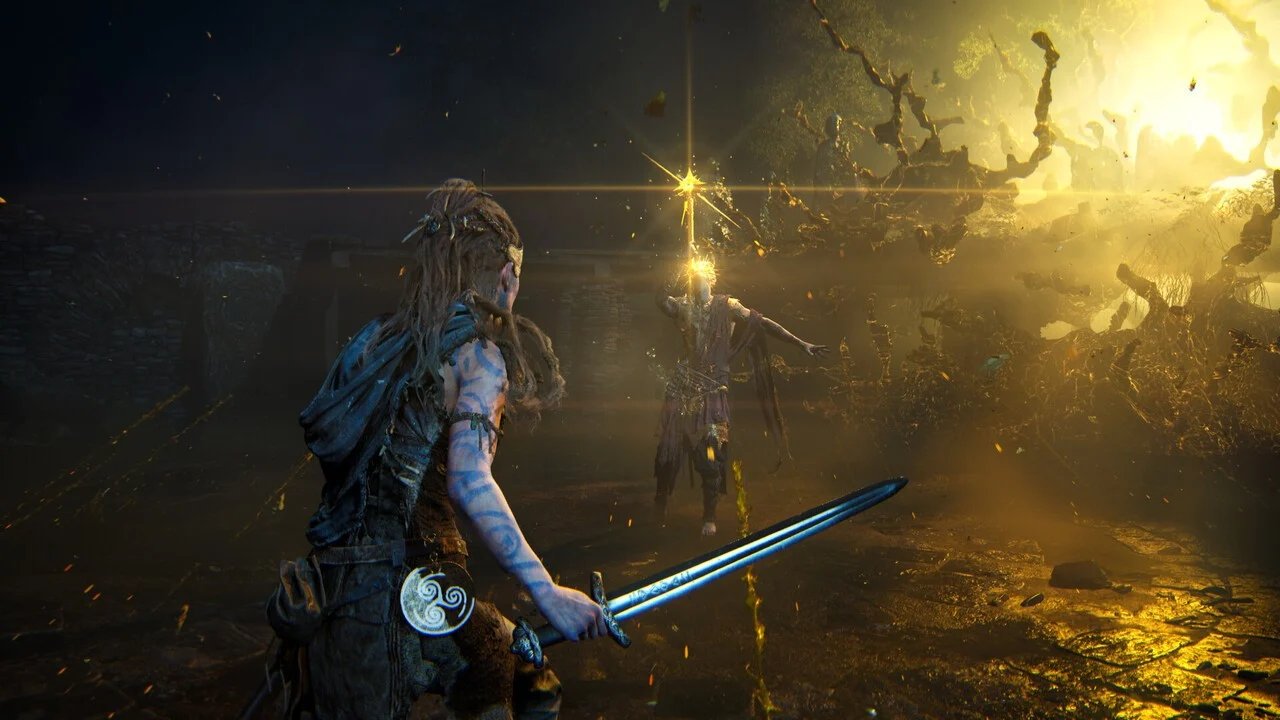
Supermassive Games is not an isolated case in this climate of contraction. The industry has seen a series of similar announcements from prominent developers, including the recent reports concerning Ninja Theory, the studio behind Senua’s Saga: Hellblade II. This recurrence suggests that the challenges are systemic rather than specific to any single company’s business model. Studios that were previously buffered by long-term funding or successful legacy IPs are now facing the reality of tightening credit markets and a saturation of high-budget releases.
This transition period is forcing a re-evaluation of how studios scale. The traditional model of rapidly expanding during production and downsizing afterward is becoming increasingly scrutinized for its lack of long-term stability. Industry analysts point to a potential move toward smaller, more agile development teams that leverage outsourced technical support for non-critical tasks. This strategy allows studios to maintain a core competency in creative direction and narrative design while minimizing the fixed costs associated with a massive, permanent facility.
Looking Ahead: Sustainability Versus Innovation
The primary challenge for Supermassive Games and its contemporaries is balancing the need for radical efficiency with the necessity of creative innovation. The interactive horror genre, in which Supermassive specializes, requires high-end visual fidelity and fluid gameplay mechanics to remain engaging. Reductions in the workforce often risk impacting the pace of updates, the scale of future projects, and the implementation of emerging technologies.
As the studio pivots to ensure its future, the focus will likely remain on core franchise maintenance and the iterative improvement of its narrative engine. The talent lost during this period represents a significant portion of the collective experience that built the studio’s reputation. Whether this consolidation will lead to a more sustainable, leaner version of the company or a diminished capacity for future innovation remains the central question for the studio’s stakeholders and the broader gaming community. For the industry, these events serve as a sobering reminder of the fragile balance between artistic ambition and the rigid requirements of commercial profitability.
Disclaimer: This content is auto-generated for informational purposes only.
Source: Read Original News