






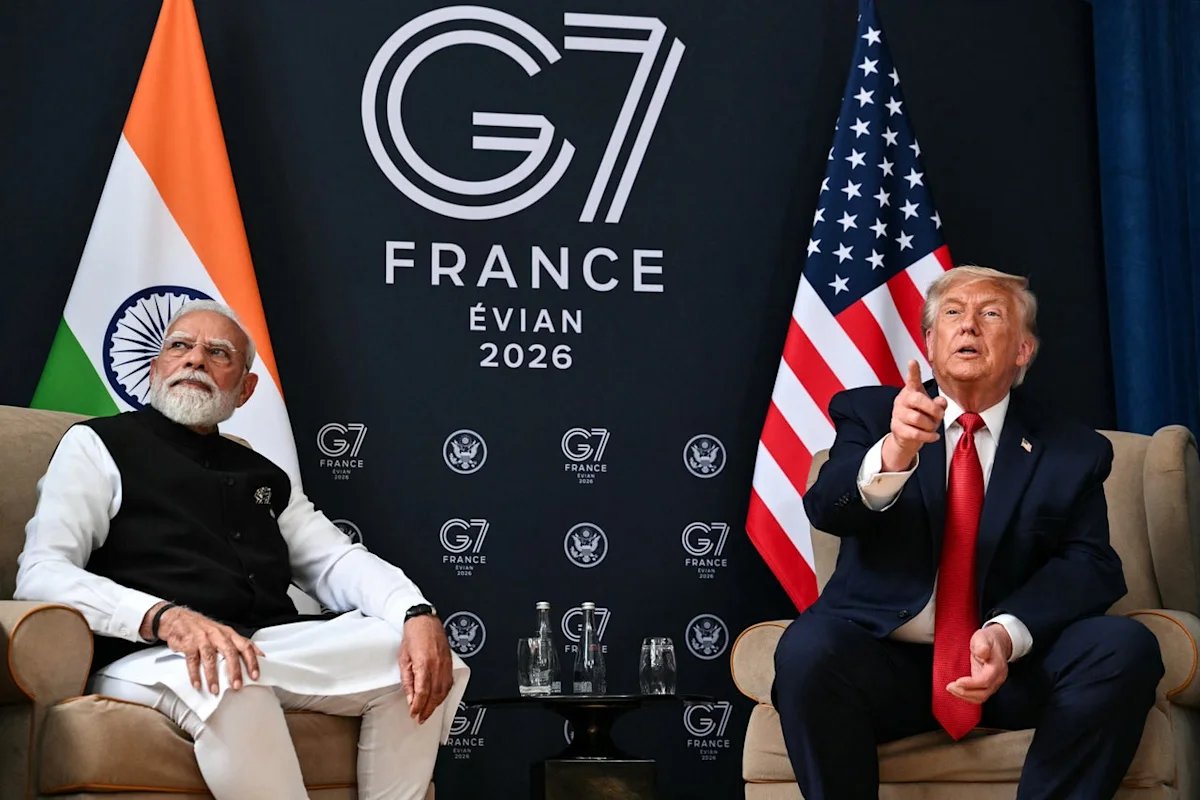
Trade Impasse: India-US Negotiations Hit a Plateau as Tariff and Energy Disputes Persist
Trade discussions between the United States and India have reached a critical stalemate after more than a year of high-stakes negotiations. Despite earlier optimism from the White House regarding a potential “big, beautiful” trade deal, officials from both nations have admitted that deep-seated disagreements over market access and tariff structures are preventing a breakthrough.
Indian Finance Minister Nirmala Sitharaman confirmed the current stagnation, describing the negotiations as having “reached a plateau.” Speaking in Delhi, she noted that both sides have pushed the boundaries of compromise and that further concessions are now “very, very difficult” for both governments to justify. While communication channels remain open, the prospect of a near-term agreement appears increasingly unlikely.
The Tariff Conundrum
The relationship has been tested by a series of protectionist measures. India was among the initial countries caught in the crosshairs of President Donald Trump’s “Liberation Day” reciprocal tariffs, which at one point saw duties on Indian goods soar to as high as 50 percent—partly due to additional penalties tied to India’s energy purchases from Russia.
While a February framework provided some relief by lowering the reciprocal rate to 18 percent, the legal landscape shifted when the US Supreme Court curtailed the use of emergency presidential powers for global tariff hikes. Consequently, Indian exports are currently facing a 10 percent baseline tariff as both nations scramble to find a new equilibrium. Analysts suggest that a definitive deal is unlikely to surface before next year, as India continues to demand greater US market access in exchange for lowering its own protective barriers.
Agriculture and Political Sensitivity
A major friction point involves American demands for greater entry into India’s vast agricultural and dairy sectors. With approximately 80 million people reliant on farming, the Modi government is under immense pressure to shield domestic producers from foreign competition. India currently maintains import tariffs of up to 150 percent on certain farm products to protect local livelihoods.
Opening these markets would not only threaten the domestic economy but could also reignite the volatile political climate that previously saw mass protests against agrarian reforms. According to researchers at BMI, India is unlikely to budge on sensitive areas like dairy and genetically modified crops unless the US provides a clear, competitive edge in other industrial or technological sectors.
The Geopolitical Shadow of Russian Oil
The trade talks have also been complicated by broader geopolitical tensions, specifically India’s refusal to halt oil imports from Russia. The Trump administration has repeatedly urged Delhi to curb these purchases, characterizing them as a source of funding for the war in Ukraine.
However, India has maintained a firm stance, prioritizing energy security and affordable prices for its population of 1.4 billion. As global energy supplies remain unstable, Delhi views these energy imports as a national interest that is non-negotiable. Analysts warn that this is creating a “trust deficit,” with opposition parties in India increasingly wary of US influence on domestic economic policy.
Path Forward
Despite the current friction, diplomatic engagement continues. US Secretary of State Marco Rubio is slated to visit India later this month, and Prime Minister Narendra Modi is expected to travel to the US in December for a G20 summit. While observers do not expect a comprehensive trade agreement in the coming weeks, the focus may shift toward localized cooperation, such as defense partnerships, as both nations attempt to manage the growing distance between their economic objectives.
Disclaimer: This content is auto-generated for informational purposes only.
Source: Read Original News