






Tensions Escalate as Nationwide Protests Erupt Over Electoral Roll Revision
New Delhi – India is witnessing a period of intense civil unrest as the Cockroach Janata Party (CJP) and a coalition of student organizations have launched a massive wave of demonstrations across the country. The protesters are demanding the immediate resignation of Chief Election Commissioner Gyanesh Kumar, accusing the electoral body of engineering a partisan purge of voter lists that systematically disenfranchises opposition supporters.
A Crackdown on Dissent
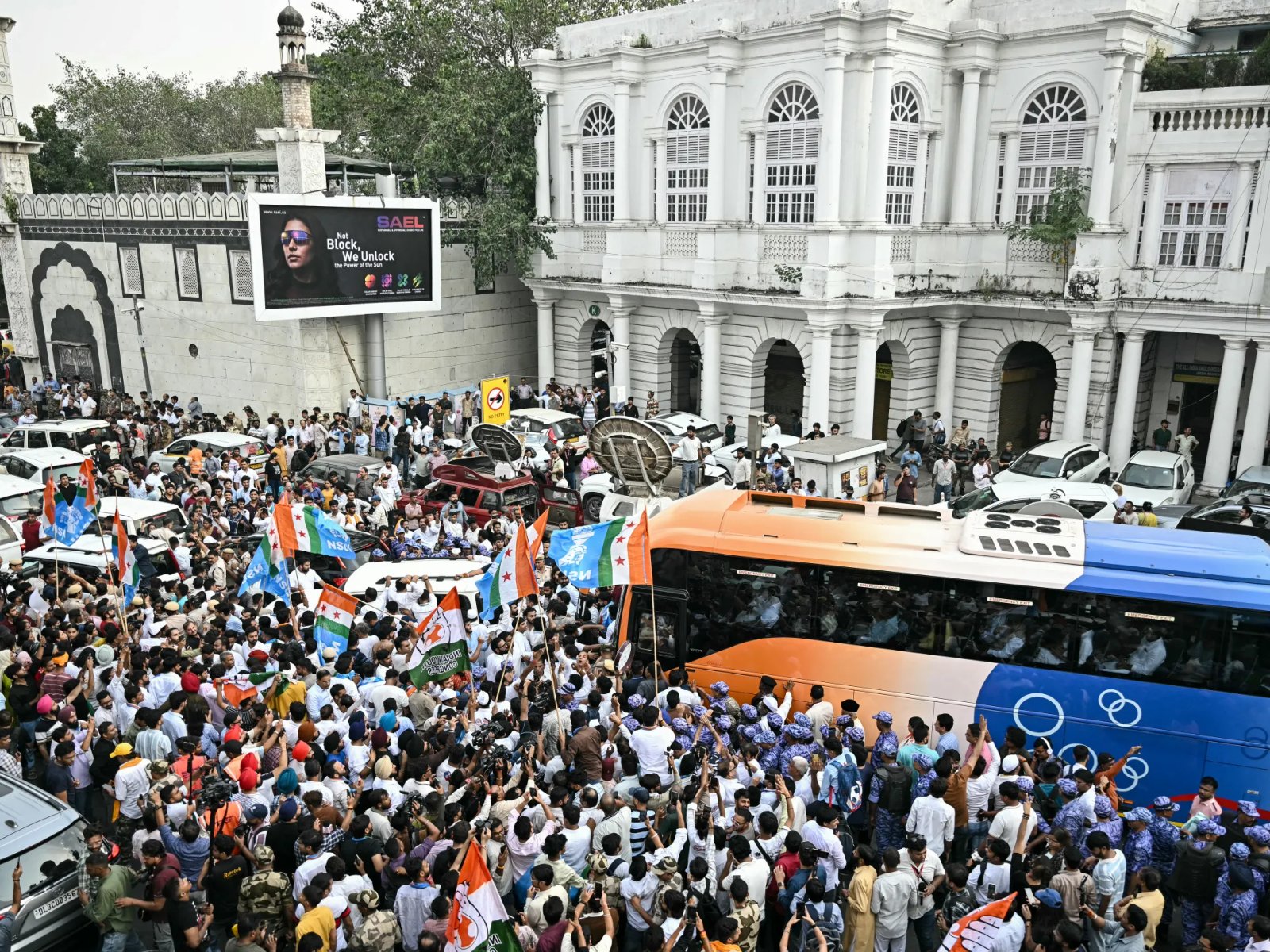
The atmosphere across major Indian cities turned volatile on Thursday as authorities intensified their efforts to contain the surging movement. Ashutosh Ranka, a spokesperson for the CJP, reported that security forces have detained approximately 10,000 individuals, including political activists, students, and grassroots organizers, in an attempt to stifle momentum ahead of a planned mass march in New Delhi.
Among those taken into custody is the CJP’s national spokesperson, Deepak Baliyan. Further reports indicate that authorities intercepted a busload of students traveling from Pune to the capital, spiriting them away to undisclosed locations. CJP founder Abhijeet Dipke took to social media to condemn the heavy-handed response, questioning whether the government had effectively declared a state of emergency to silence dissent. While independent verification of the detention figures remains difficult, social media feeds are inundated with footage of protesters being forcefully removed by police.
The Controversy: Voter Roll Revisions
At the heart of the agitation is a contentious Special Intensive Revision (SIR) of electoral rolls. The Election Commission has purged over 130 million names from the national registry since the 2024 general elections. While the commission maintains that the process is a routine administrative measure to eliminate duplicate entries and deceased individuals, the opposition views it as a calculated strategy to tilt the electoral scales in favor of Prime Minister Narendra Modi’s Bharatiya Janata Party (BJP).
Critics argue that these deletions disproportionately affect marginalized communities and known opposition strongholds, effectively stripping millions of their constitutional right to vote. “The right to cast a ballot is the bedrock of our democracy,” stated Khushi Shrivastava, a student demonstrator in Bengaluru. “When the citizens who care deeply about the country’s trajectory are systematically removed from the rolls, we are witnessing the erosion of our fundamental freedoms.”
Political Polarization Deepens
The political fallout has been swift and severe. Senior Congress leader Rahul Gandhi was briefly detained for the third time in 48 hours on Wednesday, an incident that prompted his party to accuse the police of employing “brute force” against peaceful dissenters.
In response, the BJP has adopted a combative stance. Party spokesperson Gaurav Bhatia dismissed the claims of electoral manipulation as an “anarchist” narrative pushed by an opposition incapable of winning through democratic processes. The government continues to reiterate that the revision of electoral rolls is entirely apolitical and transparent, intended solely to bolster the integrity of the voting system.
As the country braces for the weekend, organizers are calling for a massive turnout at Jantar Mantar, the historic protest site in New Delhi. With the opposition alliance doubling down on its demand for a leadership change at the Election Commission, the standoff between the protesters and the state appears set to define the political landscape for the coming weeks.
Disclaimer: This content is auto-generated for informational purposes only.
Source: Read Original News