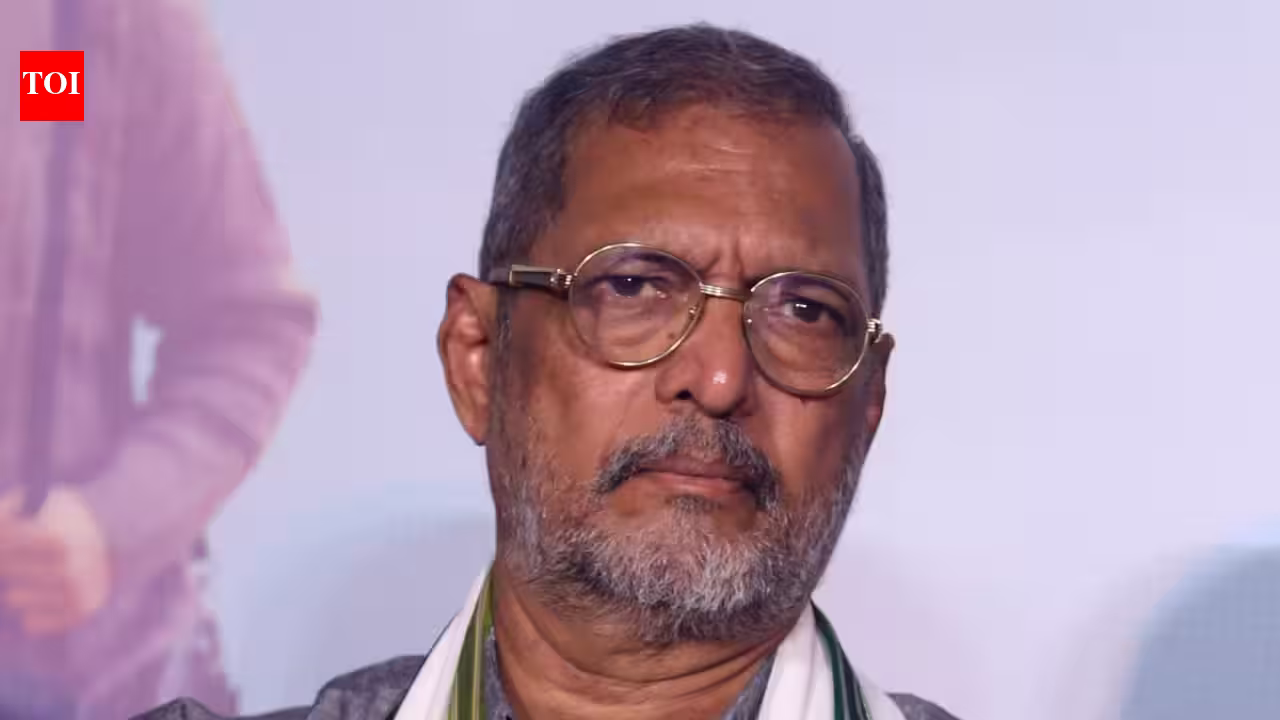








The Indian film industry is reeling from the sudden and profound loss of a titan. Nana Patekar, the powerhouse actor whose volcanic intensity and unparalleled command over the craft defined a generation of cinema, was cremated with full state honors in Pune on Thursday night. The legendary performer, 75, passed away earlier that day after suffering a cardiac arrest at his residence in Goa.
The atmosphere at his Pune farmhouse in Donje village was heavy with the weight of grief as fans, industry peers, and political heavyweights gathered to bid a final, tearful farewell to the man who gave us iconic performances in Parinda, Krantiveer, Ab Tak Chhappan, and the magnum opus Natsamrat. As the 3-gun salute echoed through the night, it signaled the end of an era—one that fundamentally altered the trajectory of both Hindi and Marathi cinema.
A Legacy Written in Intensity
To speak of Nana Patekar is to speak of a rare breed of artist. He was not merely an actor; he was a force of nature. Whether he was playing the morally conflicted don in Parinda, the righteous firebrand in Krantiveer, or the aging, Shakespearean thespian in Natsamrat, Patekar brought a level of intellectual rigor and visceral emotion that few could emulate.
Throughout his career, which spanned several decades, he remained a recluse in his personal life, preferring the solace of his farmhouse to the glitz of Mumbai’s red carpets. Yet, when the camera rolled, he was impossible to look away from. His ability to switch from a whisper to a roar—a technique that became his signature—captured the frustrations, the pride, and the simmering anger of the Indian middle class. With his passing, Indian cinema has lost one of its most authentic voices, a man who refused to compromise his artistry for the sake of mainstream tropes.
The Final Hours in Donje
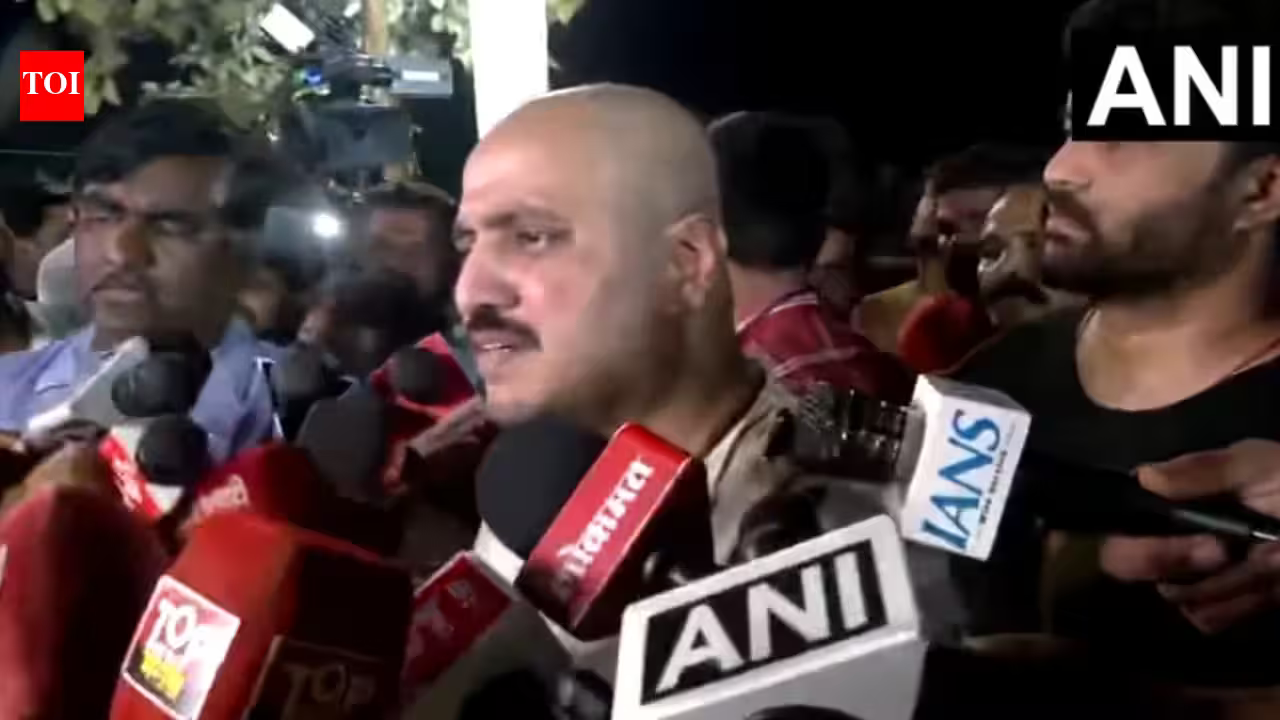
The decision to conduct the last rites on the very evening of his passing sparked questions from a public desperate for more time to mourn their idol. However, his son, Malhar Patekar, provided clarity amidst the chaos. In a brief statement to the media, Malhar addressed concerns regarding why the family opted for a late-night ceremony before the arrival of many in the film fraternity who had hoped to travel to Pune.
“We proceeded with the last rites today because he passed away early this morning,” Malhar explained, his voice strained but composed. “A significant amount of time had already passed. That is why we decided to go ahead with it today.”
It was a decision born of pragmatism and a desire to see his father laid to rest with the dignity he deserved, avoiding the prolonged spectacle that often accompanies the passing of such a massive cultural icon. By performing the final rituals under the cover of night at their family home, the Patekar family managed to maintain a sliver of intimacy in what was an otherwise public and state-sanctioned mourning process.
A Who’s Who of Industry Stalwarts
Despite the late-night timing, the scene at the Donje farmhouse was a testament to the immense respect Patekar commanded. The film industry, often critiqued for its transient nature, showed up in force to pay homage to a man many considered their mentor and peer.
Veteran actor Jackie Shroff, who shared the screen with Patekar in legendary projects, was visibly shaken as he arrived to pay his respects. Directors Anil Sharma and Anees Bazmee, who understood the technical brilliance behind Patekar’s unpredictable acting style, stood alongside producer Firoz Nadiadwala, reflecting on the void now left in their future projects. The gathering was a poignant reminder that while Patekar walked his own path, he left an indelible mark on every creative life he touched.
The presence of Maharashtra Chief Minister Devendra Fadnavis and Deputy Chief Minister Eknath Shinde underscored the state’s recognition of his contributions. By bestowing full state honors—including the solemn 3-gun salute—the government acknowledged that Patekar was not just an actor; he was a cultural institution of Maharashtra.
The Tragic End in Goa
The circumstances of his death have left many stunned. Reports from Goa indicate that Patekar suffered a sudden cardiac arrest at his home in the early hours of Thursday. According to medical professionals at Manipal Hospital, the gravity of the situation was clear from the start. Doctors worked tirelessly, administering CPR for 45 minutes in a desperate bid to revive the veteran star, but it was not to be.
A post-mortem examination was ordered as part of the standard protocol, intended to confirm the cause of death. For those who knew him as the vibrant, energetic man who seemed ageless, the news of his heart failing came as a brutal shock. He was a man of discipline, and yet, like all of us, he was susceptible to the fragility of life.
A Void That Cannot Be Filled
As the sun rose on Friday morning, the reality began to sink in: the man who redefined “method acting” long before it became a popular buzzword in India is no longer with us. His death marks the closing of a chapter that spanned the transition from the golden age of Marathi theater to the gritty, realistic urban dramas of 90s Bollywood.
Nana Patekar leaves behind a legacy that will be studied by film students and revered by fans for decades to come. He taught us that acting wasn’t about being seen—it was about being felt. Whether he was playing the villain you loved to hate or the hero you desperately rooted for, he was always, above all, human.
The village of Donje is quiet now, and the crowds have dispersed, but the silence feels louder than ever. Nana Patekar, the man of few words and profound impact, has departed the stage. But the echoes of his performances—that gravelly voice, that piercing gaze, and that unmatched intensity—will remain as long as stories are told on the silver screen. We didn’t just lose an actor on Thursday; we lost the conscience of Indian cinema. Rest in power, Nana.
Disclaimer: This content is auto-generated for informational purposes only.
Source: Read Original News