








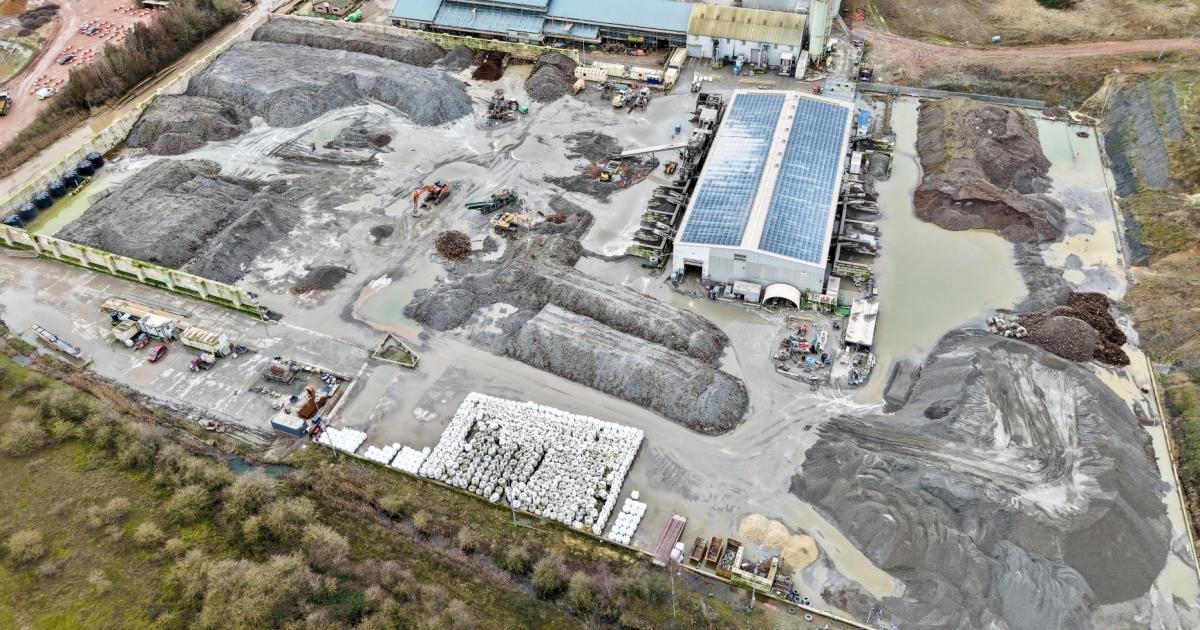
Residents living near the Saxon Pit industrial and waste management site in Whittlesey have reported widespread environmental concerns, according to a newly published Cumulative Health Impact Assessment (CHIA) commissioned by Cambridgeshire County Council.
The study, which gathered data from 238 residents and conducted in-depth interviews with 18 locals, reveals that 93 per cent of participants experienced at least two significant environmental issues over the past year. On average, each respondent reported encountering four distinct problems, with dust emerging as the most pressing concern.
According to the report, 88 per cent of those surveyed dealt with dust in the last 12 months, with 91 per cent noting that the situation has deteriorated in recent years. Beyond particulate matter, residents highlighted significant issues with air quality (73 per cent), odour (61 per cent), and noise (58 per cent).
The impact of these environmental factors appears to be linked to geographical proximity. Data showed that 51 per cent of residents living within 200 metres of the Saxon Pit site reported high impacts from noise, a figure that dropped to 17 per cent for those living between 500 metres and one kilometre away. However, concerns regarding traffic were found to be consistent across the area, regardless of the distance from the site.
A significant theme identified by the researchers was the “cumulative impact” of these factors. More than eight in 10 respondents indicated that the combination of these environmental issues created a more severe burden than any single problem in isolation, with 71 per cent noting that these effects have intensified over time.
The report highlights that these conditions have led many residents to alter their daily habits. Approximately 68 per cent of participants reported keeping windows closed or avoiding outdoor spaces to escape the conditions. Others reported frequent use of air purifiers, the need to dry washing indoors, and the necessity of cleaning outdoor furniture and vehicles more regularly.
Perhaps most notably, the study found a high level of psychological distress associated with the site. Approximately 80 per cent of residents expressed frequent uncertainty about potential long-term health consequences, while 76 per cent admitted to worrying about how the environment might impact their future well-being. This was particularly pronounced among those with existing health conditions, disabilities, or those who spend the majority of their day at home.
Despite these findings, the report explicitly states that it did not attempt to establish a causal link between site operations and specific health outcomes. It was not designed to test causation or attribute the reported issues to any individual operator. Furthermore, the report does not identify the composition of the dust, a point that residents identified as their primary concern.
Cambridgeshire County Council has stated that it will evaluate these findings in conjunction with previous public health recommendations to determine if further action is required. While an earlier assessment found no identified threat to public health, it did recommend increased monitoring. In response, Fenland District Council has since installed monitors at the site boundary to track nitrogen dioxide, sulphur dioxide, and particulate matter.
The publication of this report comes as Johnsons Aggregates & Recycling Ltd is in the process of appealing the County Council’s decision to refuse plans for a significant expansion of the Saxon Pit facility.
Disclaimer: This content is auto-generated for informational purposes only.
Source: Read Original News