







Central Delhi Under Lockdown as ‘Cockroach’ Youth Movement Demands Election Chief’s Resignation
NEW DELHI – A heavy blanket of security descended upon the heart of India’s capital on Saturday, as authorities moved to neutralize a massive protest rally organized by the “Cockroach” youth movement. The demonstration, centered around calls for the resignation of Chief Election Commissioner Gyanesh Kumar, prompted an unprecedented shutdown of city infrastructure, including mass transit and internet services.
Tensions Over Voter Roll Revisions
The standoff stems from a recent investigative report by the Indian Express, which alleged internal dissent within the Election Commission. According to the report, deputy commissioners had voiced significant concerns regarding a sweeping voter list revision process that resulted in the removal of roughly 130 million names.
The youth-led group, known as the “Cockroach Janta Party” (CJP)—an entity that emerged from online satire—has characterized the protest as a desperate bid to “Save Democracy.” The organization claims the mass de-registration of voters disproportionately benefits Prime Minister Narendra Modi’s Bharatiya Janata Party (BJP), fueling long-standing opposition allegations that the government is manipulating the electoral foundation to maintain its grip on power.
While the Election Commission and the ruling BJP have categorically denied these claims, labeling them as desperate rhetoric from a sidelined opposition, the grievances have struck a chord with the youth. The BJP maintains that its electoral dominance is a direct result of India’s robust economic performance and the personal popularity of Prime Minister Modi.
A New Political Challenge
The mobilization marks a significant escalation in the pressure faced by the Modi administration. Following the government’s retreat earlier this year—when widespread protests over exam paper leaks forced the resignation of the Union Education Minister—the administration is now navigating a highly charged atmosphere. With critical state elections looming in 2027, most notably in the politically decisive state of Uttar Pradesh, the ruling party is under intense scrutiny.
“The government is treating this like a national security threat rather than a democratic expression,” said one CJP organizer. Despite the authorities’ refusal to grant formal permission for the gathering at Jantar Mantar—citing procedural delays and past violations—protest leaders have vowed to proceed, asserting their constitutional right to dissent.
City Under Siege
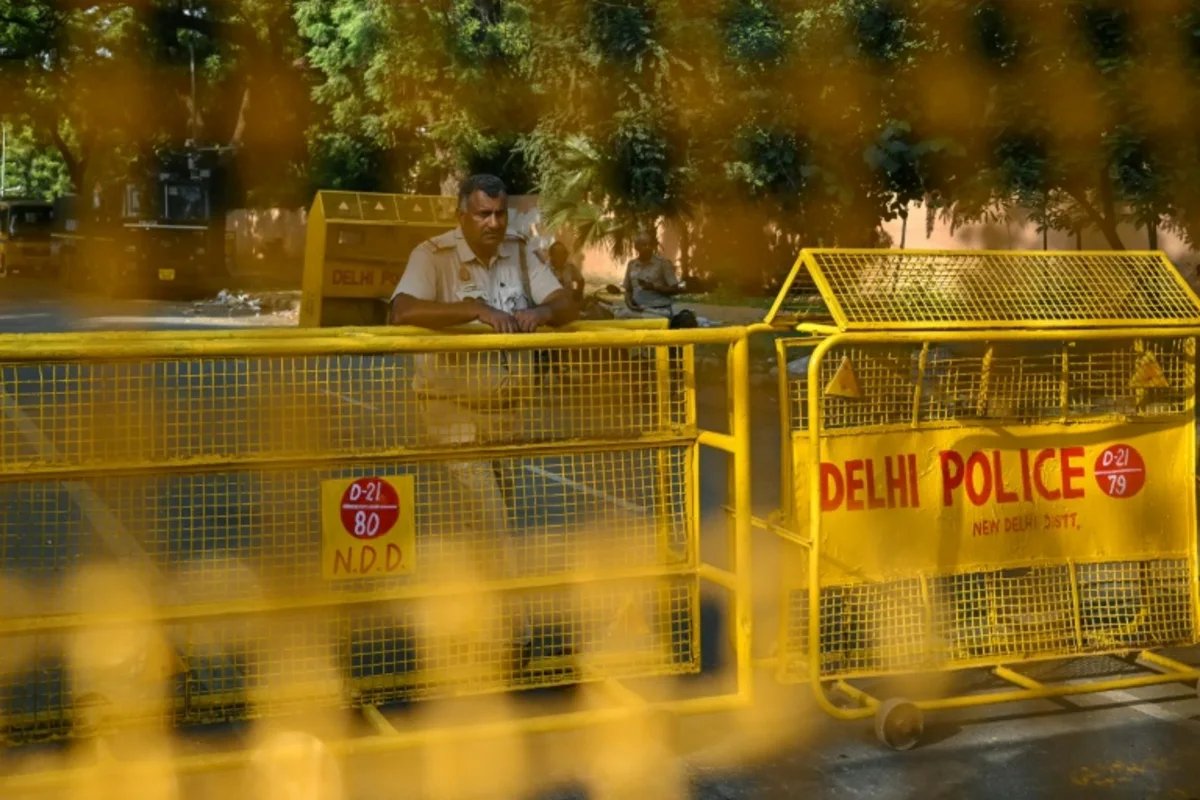
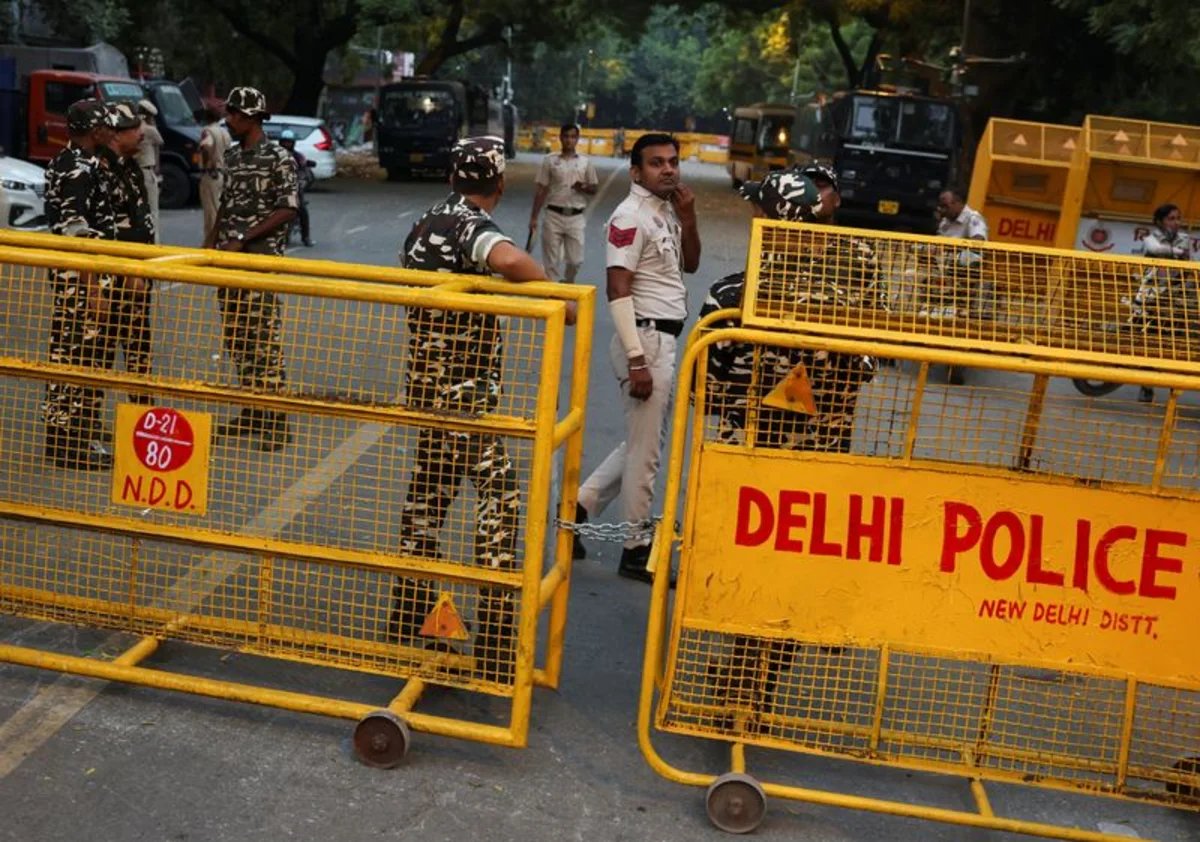
In a preemptive attempt to break the momentum of the movement, the Delhi Police and local authorities enacted a sweeping containment strategy. By Saturday morning, large swathes of central Delhi were transformed into a garrison. The measures taken were extensive:
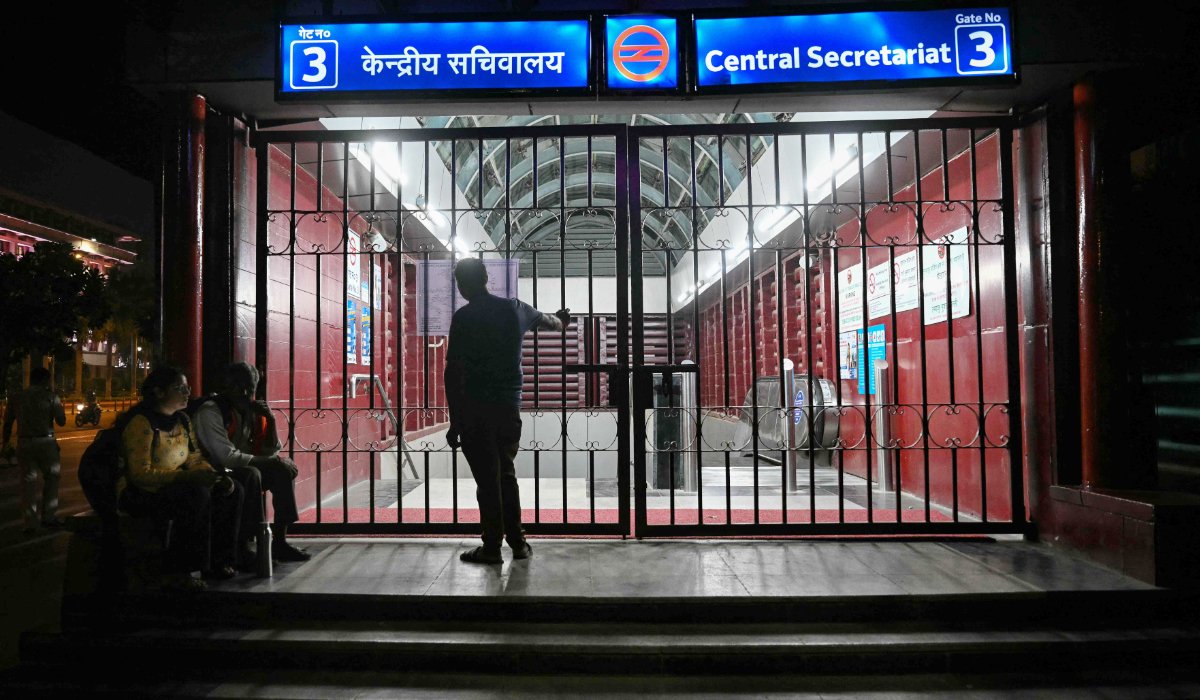
- Infrastructure Paralyzed: Authorities shuttered 57 metro stations and cancelled numerous long-distance trains arriving in the capital to prevent demonstrators from reaching the city center.
- Communication Blackout: In accordance with a government order, mobile internet services were suspended within a 4-kilometer radius of the protest site, effectively creating a digital dead zone.
- Security Presence: Thousands of police officers and paramilitary personnel were deployed across the city, enforcing strict cordons and prohibiting public movement.
Police officials have issued stern warnings, stating that any attempt to violate the ban on gatherings will be met with the full force of the law. As the city remains on high alert, the confrontation highlights a deepening rift in Indian political life, testing the limits of public expression in the lead-up to the next major electoral cycle.
Disclaimer: This content is auto-generated for informational purposes only.
Source: Read Original News