







India-Bangladesh Trade Talks: Dhaka Seeks Removal of Port Restrictions, Easing of Market Barriers
New Delhi: A high-level 10-member delegation from Bangladesh, led by Additional Secretary of the Ministry of Commerce Ayesha Akhter, arrived in New Delhi this week to engage in critical bilateral trade discussions. The 16th meeting of the India-Bangladesh Joint Working Group (JWG) on Trade, which commenced on October 8, served as a platform for Dhaka to formally push for the easing of trade limitations that have complicated cross-border commerce over the past two years.
Addressing Trade Friction
At the heart of the deliberations is Bangladesh’s appeal to remove various restrictions imposed by the Indian Directorate General of Foreign Trade (DGFT) since 2025. These measures, which included stringent port limitations on specific imports and anti-dumping duties on Bangladeshi jute products and PET film, have been a point of contention for Dhaka.
The restrictions originally emerged as a reciprocal response. India had previously implemented measures on readymade garments, limiting their entry to specific seaports like Nhava Sheva and Kolkata, after Bangladesh had restricted the inflow of Indian yarn and rice. Furthermore, a 2025 directive essentially blocked Bangladeshi jute from utilizing land ports, pushing logistics toward more expensive maritime routes. During the JWG meeting, the Bangladeshi delegation sought a comprehensive review of these policies, arguing that they act as significant non-tariff barriers to trade.
Renewing the Bilateral Relationship
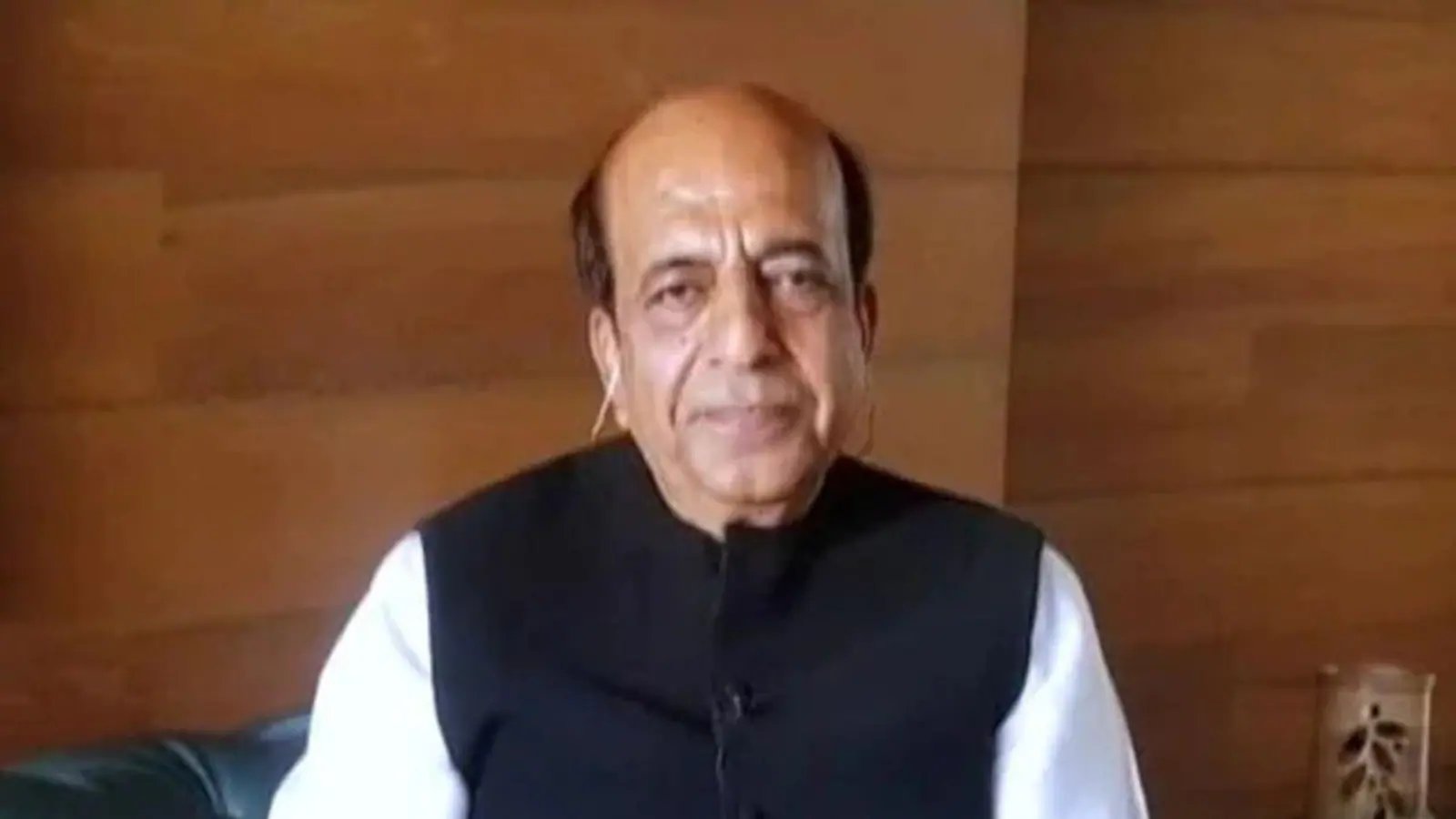
The meeting occurs against a backdrop of diplomatic efforts to stabilize and strengthen ties following the recent change in leadership in Bangladesh. India’s High Commissioner to Bangladesh, Dinesh Trivedi, has been instrumental in shifting the focus toward pragmatic economic cooperation. In recent courtesy meetings with Bangladesh’s Minister of Commerce, Industries, Textiles & Jute, Khandaker Abdul Muktadir, the discourse emphasized “people-to-people” ties and the essential role of the private sector in driving mutual prosperity.
India, while not immediately conceding to all of Dhaka’s requests, has signaled a willingness to normalize trade conditions. New Delhi has expressed interest in reviving border “haats” (local markets) and reopening integrated check posts that were shuttered during periods of political volatility.
Connectivity and Regional Integration
Beyond addressing current restrictions, the discussions highlighted the strategic need for better regional connectivity. India is keen on streamlining trade routes to facilitate easier access for its Northeastern states to Bangladeshi markets. By improving multimodal transport links and strengthening rail infrastructure, both nations aim to foster a more seamless economic corridor.
Recent actions reflect a genuine movement toward operational synergy. Highlighting this push, a barge carrying 540 metric tons of methanol recently departed from the Bogibeel Terminal in Dibrugarh, bound for Dhaka. Flagged off by Union Minister for Ports, Shipping, and Waterways Sarbananda Sonowal, the mission demonstrated the potential of inland water transit to bypass the bottlenecks often seen at land ports.
As the JWG continues its work, the focus remains on finding a middle ground: balancing India’s security and commercial interests with Bangladesh’s need for sustained market access and tariff preferences—particularly as Dhaka prepares for its upcoming graduation from the Least Developed Country (LDC) category.
Disclaimer: This content is auto-generated for informational purposes only.
Source: Read Original News