









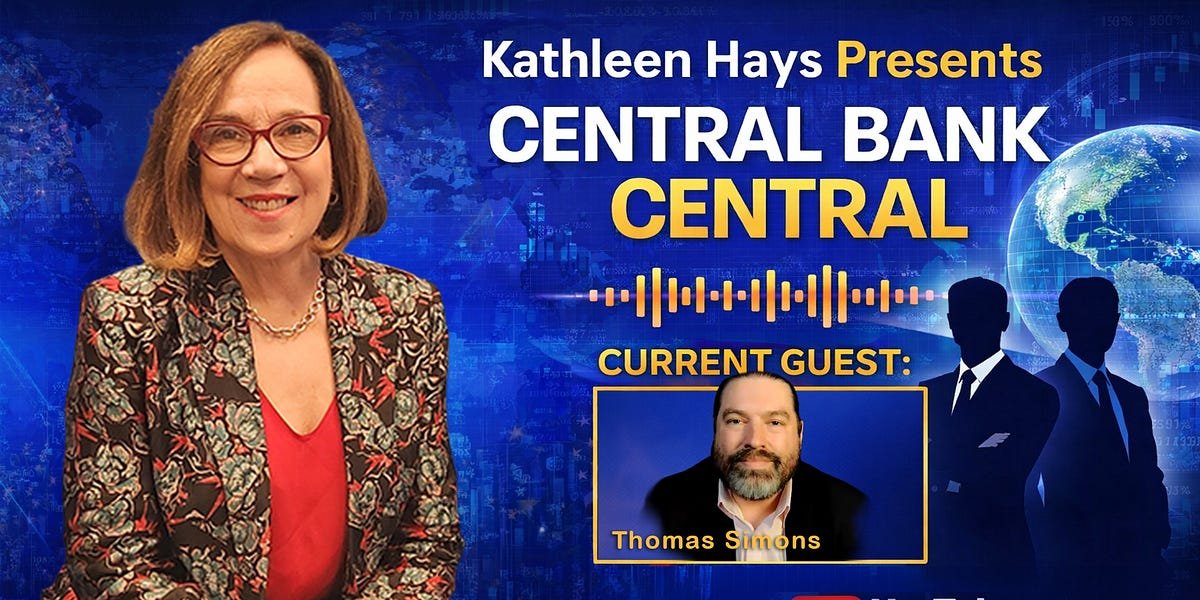
The Federal Reserve is facing a pivotal turning point as the U.S. economy displays unexpected durability, complicating the central bank’s mission to suppress inflation without triggering a recession. According to Thomas Simons, chief U.S. economist at Jefferies, the latest wave of economic data has fundamentally altered the landscape, putting a potential rate hike at the upcoming October Federal Open Market Committee (FOMC) meeting firmly back on the table.
For months, observers held a degree of optimism that inflation was trending toward the Fed’s 2% target, potentially allowing for a pause in monetary tightening. However, the most recent Consumer Price Index (CPI) and Producer Price Index (PPI) reports have shattered that consensus. Simons notes that these reports present a “totally different texture” to the inflation environment, characterized by stubborn price pressures in categories—such as shelter, rent, and owner-equivalent rent—that were previously expected to cool.
“I think that it’s actually four months of data that showed you didn’t really get that much cooling from energy in the summer, and the core is starting to pick up,” Simons said. “We’re not restrictive enough.”
The resilience of the U.S. economy is currently a double-edged sword. While it keeps growth afloat, it also provides the fuel for persistent price pressures. Retail sales data suggests that consumers remain undeterred by higher gasoline prices, while manufacturing surveys from the Philadelphia and New York Fed districts indicate continued expansion. The Dallas Fed’s report specifically describes the sector as “going gangbusters.” Furthermore, jobless claims have remained consistently low, pointing to a labor market that shows no signs of broad weakening.
The Federal Reserve’s own “Beige Book,” released alongside the latest inflation reports, underscored these concerns. The survey revealed widespread anxiety across the 12 district banks regarding rising prices and the potential for these trends to de-anchor inflation expectations. Simons warns that if the public perception shifts toward an anticipation of sustained inflation, the Fed’s credibility—a cornerstone of its policy efficacy—could be at risk.
This shifting economic reality has forced a reassessment of the FOMC’s next steps. Simons, who previously believed the Fed could justify a pause, now views an October rate hike as a “very live” possibility. He argues that the debate has shifted from whether policy is “too tight” to whether it is sufficiently restrictive to regain control of the trajectory. “One rate hike isn’t going to be enough,” he cautioned. “You’ve got to keep going.”
Navigating this path requires a delicate balance. Market participants are closely watching the stance of individual Fed governors, including the approach of officials like former Fed governor Kevin Warsh. Simons suggests that while current leadership remains committed to the role of an “inflation fighter,” they are unlikely to intentionally drive the economy into “absolute shambles.” Instead, the strategy appears to be a “tighter-for-longer” approach, prioritizing the preservation of central bank credibility while remaining wary of the risks of over-restraint.
As the FOMC nears its October meeting, the central bank is effectively trapped between a resilient consumer and persistent, re-emerging inflationary forces. With data showing little evidence of the cooling necessary to declare mission accomplished, the pressure on the Fed to act—rather than wait—has become the defining challenge of the current cycle. For policymakers, the goal remains to anchor expectations and return to target without triggering the very recession that many have feared for the past year.
Disclaimer: This content is auto-generated for informational purposes only.
Source: Read Original News