







We have all been there. You drag your heavy wheelie bin to the curb at dawn, feeling quite proud of your productivity, only to return home later to find it sitting exactly where you left it. Attached is a stern sticker or a note explaining that your trash was rejected because of a single rogue item. It is a frustrating start to the week, and suddenly your kitchen is overflowing with waste you now have to store until the next collection.
Managing household waste can feel like trying to solve a puzzle with missing pieces, especially when the rules seem to shift depending on which street you live on. However, getting your system in order is a simple way to make your daily routine run much smoother. By mastering a few basic habits, you can stop the overflow and ensure your bin is always picked up without a hitch.
The Truth About Plastic Carrier Bags
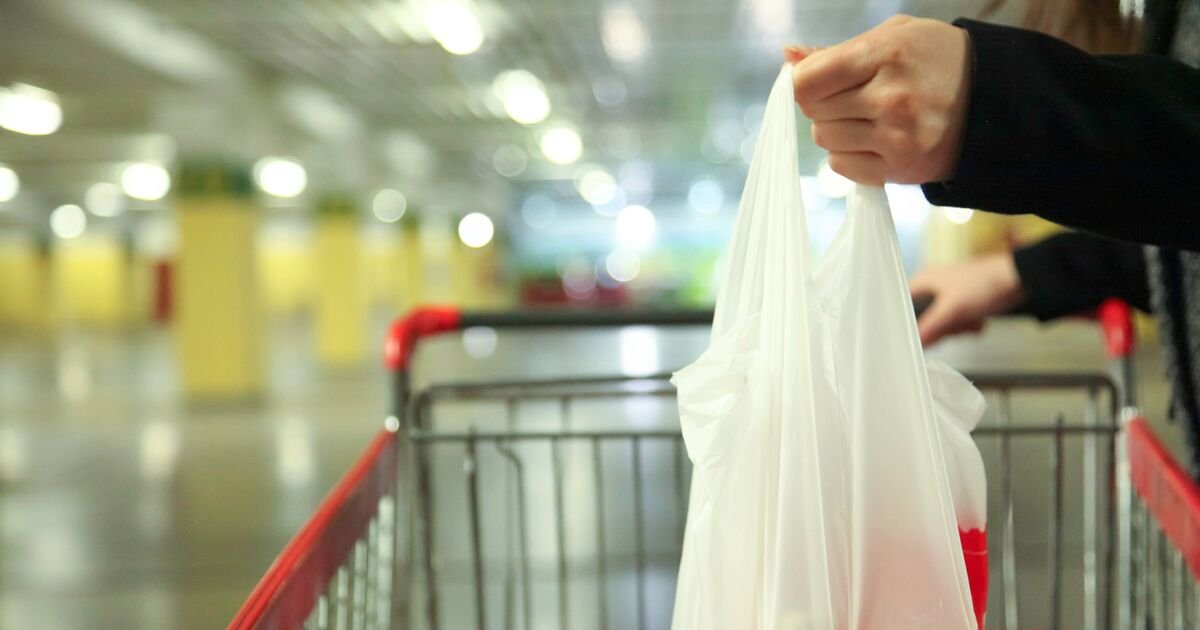
If there is one item that causes the most confusion, it is the humble plastic carrier bag. Many of us naturally assume that because they are plastic, they belong in the blue or green recycling bin. Unfortunately, this is rarely the case. Most local authorities do not have the machinery to process thin plastic film, and throwing them into your recycling bin can actually contaminate the rest of the load, forcing the entire batch to be sent to a landfill.
As a general rule, keep your recycling bin strictly for loose items. If you have a collection of plastic carrier bags stuffed under your kitchen sink, the best thing to do is reuse them as many times as possible. Once they finally rip or become worn, gather them up and take them to your local supermarket. Most major grocery stores now feature dedicated collection points specifically for plastic film and carrier bags. They have the specialized equipment to handle these materials properly, meaning your bags can actually be transformed into something new rather than sitting in a bin for eternity.
Sorting Out Your General Waste
While we all want to be responsible recyclers, there are times when an item simply cannot be saved. When you reach the point where a container or material is beyond help, it goes into your general waste bin. This is the place for those items that are not recyclable and do not fit into the food waste category.
The golden rule here is to avoid the temptation to bag your recycling. It is much better to place your clean, dry bottles, cardboard, and cans directly into the bin. If you find yourself in a situation where you need to get rid of a large number of plastic bags, the general waste bin is the correct place for them—provided your local council hasn’t specified otherwise. Just keep them out of your food waste bin at all costs, as that is strictly reserved for compostable organic material.
Keep It Clean and Simple
The biggest mistake many well-meaning households make is tossing dirty items into the recycling bin. A pizza box with grease stains or a yogurt pot with food residue can ruin an entire haul of paper and plastic. Before you toss that takeaway container into the bin, give it a quick rinse. It only takes a few seconds and ensures that your hard work in sorting actually pays off.
If you are recycling plastic bags at a supermarket drop-off point, the same logic applies. Make sure the plastic is clean and free from food debris. If there are adhesive labels or sticky tape stuck to the surface, try to peel them off before you head to the store. It might seem like a small detail, but these simple steps are what make the entire recycling process work effectively.
Handling Compostables with Care
We are seeing more brands switch to compostable and biodegradable packaging, but these materials are a different beast entirely. While they sound eco-friendly, they often cannot be processed in standard recycling facilities. In fact, if a biodegradable bag ends up in the plastic recycling stream, it can cause significant issues for the machines.
If you have items clearly marked as compostable, check your local council website to see if they offer a food waste collection service. If they do, that is where those bags belong. If they do not, these items are better suited for your own home compost heap or, if necessary, the general waste bin. By taking a moment to identify what you are holding, you keep the system moving and avoid those dreaded uncollected bin notices. Staying organized is not just about keeping a tidy home; it is about keeping your whole neighborhood running properly.
Disclaimer: This content is auto-generated for informational purposes only.
Source: Read Original News