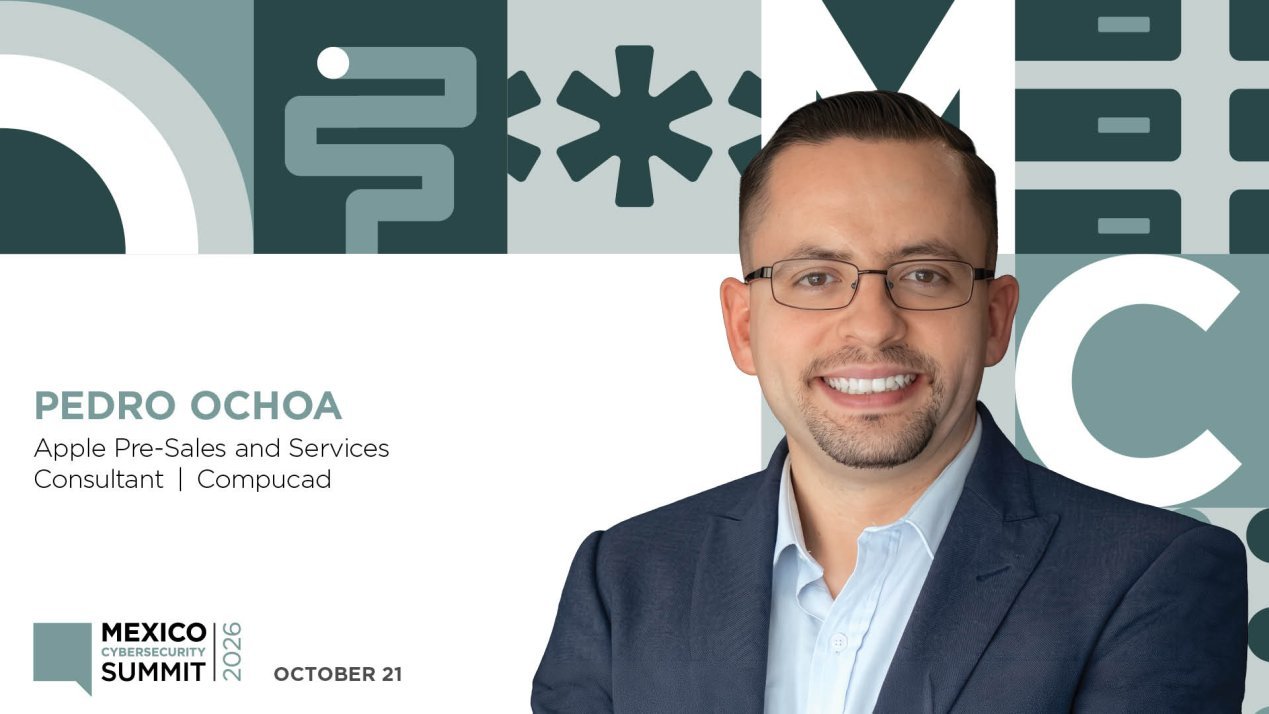









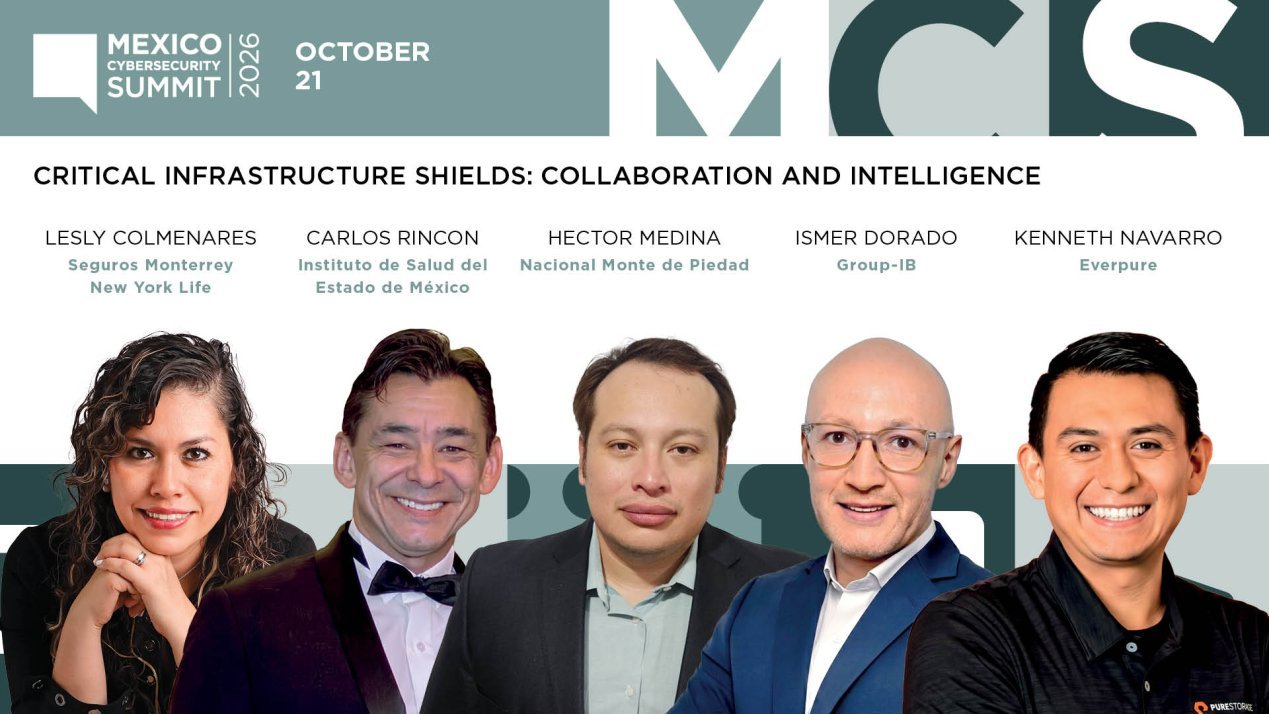
Securing Mexico’s critical infrastructure in an increasingly digital landscape requires a paradigm shift: moving away from isolated defense toward a model of cross-sector intelligence sharing. At the Mexico Cybersecurity Summit 2026, industry leaders from the financial, healthcare, and technology sectors emphasized that because modern infrastructure is deeply interconnected, a single breach in one organization creates a cascading risk for the entire society.
## Shifting Focus: From Indicators of Compromise to Indicators of Attack
As cyber threats become more autonomous, often leveraging advanced AI to exploit vulnerabilities, the traditional reliance on static “indicators of compromise” (IoCs)—such as IP addresses, file hashes, or domain names—is no longer sufficient. Ismer David Dorado, Pre Sales Manager Latam at Group-IB, argues that organizations must pivot toward “indicators of attack.” This approach provides the crucial context required to understand the threat actor, the specific malware strain, and the underlying attack vector.
By sharing intelligence that includes behavioral context, companies can better anticipate the motives and methods of adversaries. However, this level of collaboration carries a significant burden of responsibility. According to experts, the goal is to share actionable lessons learned from a breach without exposing sensitive operational data or proprietary system details. This allows peers to recognize early warning signs—such as brand impersonation or suspicious chatter on dark web forums—before an incident reaches a critical threshold.
## Navigating the Legacy Systems Dilemma
One of the most complex challenges facing Mexico’s infrastructure is the integration of aging industrial systems with modern, cloud-connected networks. Many of these legacy systems were designed for localized operation and were never intended to communicate with the broader internet. Upgrading these systems is often cost-prohibitive, forcing organizations like the Instituto de Salud EDOMEX to implement layered, secure architectures that act as a buffer.
To manage this risk without disrupting vital services, companies are increasingly deploying microsegmentation and continuous vulnerability scanning. By isolating legacy components and utilizing AI-driven monitoring, organizations can maintain uptime while containing the impact if a failure occurs. Kenneth Navarro of Everpure notes that identifying high-value assets and establishing strict recovery time objectives are no longer just IT tasks; they are essential business requirements that ensure continuity even when systems are under siege.
## Building a Culture of Resilience Through Simulation
A recurring theme at the summit was the necessity of fostering a culture that prioritizes preparedness over the stigma of disclosure. In many regions, the fear of reputational damage often keeps companies silent about breaches, which ultimately weakens the collective defense of the industry. Leaders, including Héctor Medina of Nacional Monte de Piedad, advocate for a collaborative culture where organizations disclose the “how” and “why” of an attack to help peers harden their own defenses.
This readiness must be tested through practice. Experts recommend moving beyond documentation to “red team” exercises and realistic simulations that involve senior leadership. These drills often include scenarios where key personnel are unavailable, forcing teams to demonstrate agility under pressure.
Ultimately, the consensus among industry stakeholders is clear: cybersecurity in the age of AI is a team sport. Whether through improved communication between the public and private sectors, the inclusion of educational institutions to prepare the next generation, or the adoption of AI-enhanced detection tools, the path forward lies in collective defense. As organizations navigate the complexities of digital transformation, they must accept that an incident is not a matter of “if,” but “when”—and the effectiveness of the response will be defined by how well they have collaborated before the first alarm is sounded.
Disclaimer: This content is auto-generated for informational purposes only.
Source: Read Original News