








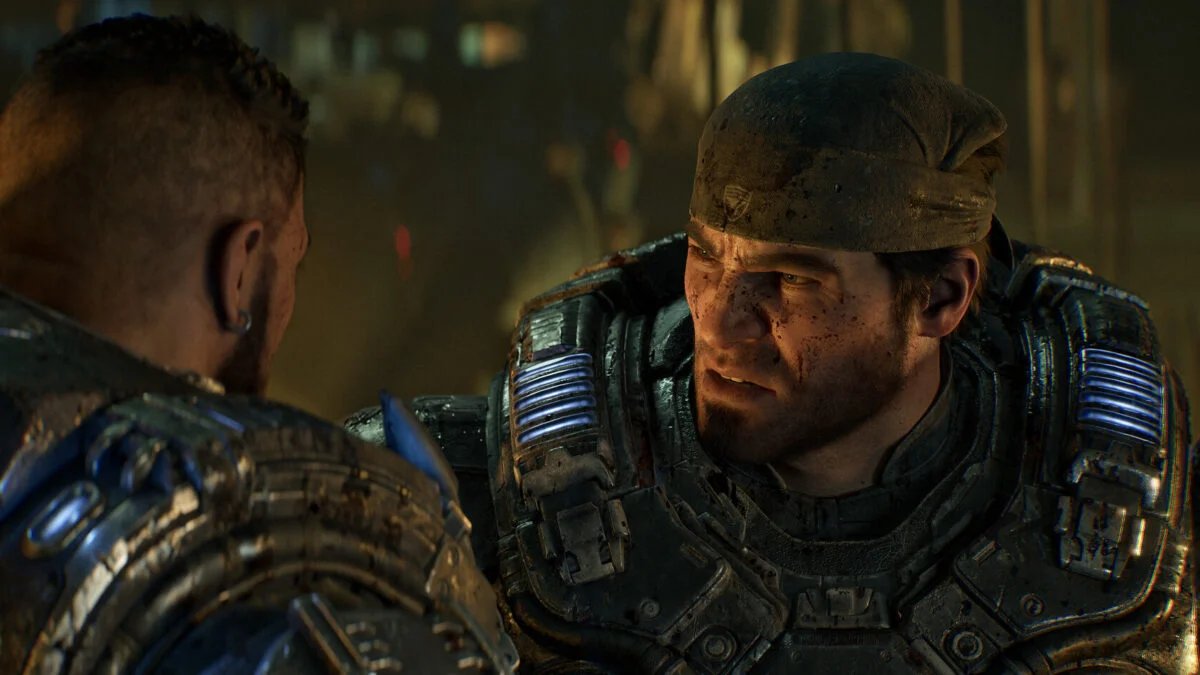
The release of Gears of War: E-Day serves as a high-stakes case study in the evolving economics of modern AAA game development. Despite receiving critical acclaim—boasting the highest Metacritic score for the franchise since the original Xbox 360 trilogy—the game’s commercial performance highlights a disconnect between critical reception and financial viability. This situation brings into focus the immense pressure placed on exclusive titles to justify their massive production budgets in an era where the traditional console model is under intense scrutiny.
The Soaring Costs of AAA Production
The financial reality behind Gears of War: E-Day is staggering. While industry rumors initially speculated that the production budget was around $400 million, recent insights suggest that the actual development cost exceeds $500 million, excluding significant marketing expenditures. To put this into perspective, this budget surpasses those of other high-profile, exclusive titles released this generation.
For a game to recoup a $500 million investment, it must generate massive revenue through direct unit sales, long-tail engagement, and platform ecosystem growth. Current analytics suggest that E-Day is falling short of these projections, with estimates placing first-week sales at approximately 230,000 units. Even when accounting for subsequent sales growth, the gap between the development cost and the generated revenue appears to be an insurmountable deficit. This reality forces stakeholders to look beyond simple sales volume and analyze the role of the game as a strategic asset for the Xbox platform.
Evaluating the Multiplatform Pivot
A central debate surrounding E-Day involves whether a multiplatform release—specifically on the PlayStation 5—would have mitigated its financial shortfall. Previous data from the release of Gears of War: Reloaded suggests that porting to competitive hardware can generate tens of millions in additional revenue. However, even if E-Day had mirrored the performance of Reloaded on Sony’s console, the resulting revenue would barely impact a $500 million cost structure.
Microsoft’s decision to keep E-Day as an Xbox console exclusive indicates a focus on platform health over short-term software sales. By withholding the title from competitors, Microsoft aims to leverage the franchise to drive hardware engagement and incentivize dormant users to return to the Xbox ecosystem. In this framework, the game functions as a loss leader, intended to build cultural momentum and influence consumer behavior during the critical holiday purchasing window.
The Strategic Value of Exclusivity
The decision to limit availability for high-budget titles is part of a broader, and somewhat volatile, strategy regarding Xbox console exclusivity. Recent surveys sent to Xbox Insiders reveal that Microsoft is actively exploring the feasibility of tightening its grip on major intellectual properties. These surveys inquire about hypothetical scenarios where franchises such as The Elder Scrolls, Fallout, and even Minecraft could move toward stricter exclusivity models.
This exploration suggests that Microsoft is attempting to reconcile its dual role as both a platform owner and the world’s largest game publisher. The dilemma is whether the company should prioritize the reach afforded by a third-party, multi-platform publishing strategy or the brand loyalty associated with closed-platform exclusivity. The internal debate highlights a search for a sustainable identity in a market that increasingly favors software accessibility.
Industry Implications and Future Trajectory
Industry analysts have described this period of flux as a potential “Dreamcast moment” for the Xbox division. The comparison draws upon the historical point at which hardware manufacturers must decide whether to commit fully to competitive platform development or shift focus exclusively toward being a software powerhouse. Achieving parity with competitors requires consistent, high-value incentives for players to choose a specific ecosystem over others.
The delay of other potential cross-platform releases, such as the upcoming Forza Horizon 6, suggests that Xbox is moving toward a more guarded approach. By delaying its most popular titles, the company aims to ensure that its flagship software launches do not compete directly with major third-party releases on rival platforms. This maneuver is designed to capture market share during peak interest periods, reinforcing the console’s value proposition in a crowded landscape.
The Path Forward for High-Budget Exclusives
Ultimately, the trajectory of Gears of War: E-Day serves as a warning regarding the sustainability of current industry development models. When budgets reach half a billion dollars, the margin for error disappears. Relying solely on the success of an individual title to drive hardware adoption is an increasingly risky bet.
If Microsoft intends to maintain its hardware business, it must define a clear path that justifies its unique ecosystem. Whether that path involves deeper integration of its subscription services, the refinement of its exclusive offerings, or a more flexible approach to multiplatform distribution, the company remains at a crossroads. For now, the strategy hinges on the belief that signature exclusive content remains the primary catalyst for long-term platform health, even if the short-term financial metrics for individual games suggest a need for significant structural change.
Disclaimer: This content is auto-generated for informational purposes only.
Source: Read Original News