








Centre Eases Visa and Passport Rules for Minority Refugees and Long-Term Foreign Residents
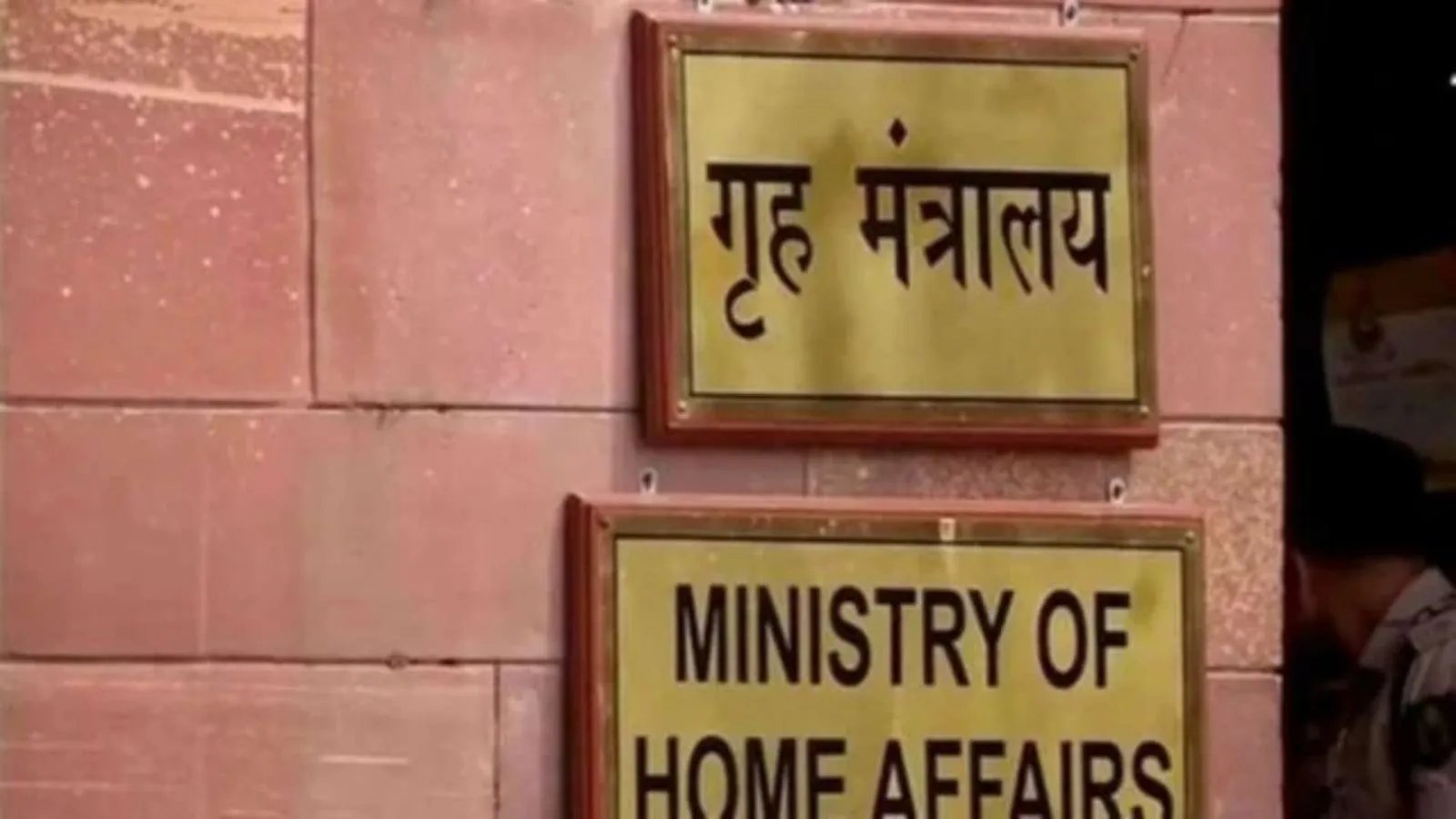
New Delhi: In a significant policy shift aimed at streamlining the residency status of various foreign nationals, the Union Home Ministry has introduced the Immigration and Foreigners (Exemption) (Amendment) Order, 2026. The new notification, released on Thursday, provides substantial relaxations regarding passport and visa mandates for specific groups, including minority refugees, long-term Pakistani residents, and members of the Tibetan and Sri Lankan Tamil communities.
Relief for Long-Term Pakistani Residents
The amended regulations offer a long-awaited reprieve to Pakistani nationals who have been living in India for over a decade. Individuals who migrated to India on or before December 31, 2009, with the intent to settle permanently, are now exempt from the standard, often arduous, passport renewal processes.
This exemption is specifically targeted at those who have found themselves in a legal limbo due to the inability to secure a Computerised National Identity Card (CNIC) from Pakistan. To avail of this relief, applicants must meet stringent criteria: they must not have married or acquired immovable property within Pakistan, they must have immediate family members who are Indian citizens, and they must provide a formal undertaking that they do not intend to return to Pakistan. Furthermore, the relaxation is strictly contingent upon the individual having a clean background, with no adverse reports from Indian police or security agencies.
Support for Persecuted Minorities
The 2026 amendment also formalizes a protective framework for members of minority communities—including Hindus, Sikhs, Buddhists, Jains, Parsis, and Christians—who have sought refuge in India. The order clarifies that those belonging to these faiths from Afghanistan, Bangladesh, and Pakistan, who entered India on or before December 31, 2024, to escape religious persecution or the credible fear thereof, will be granted exemptions from conventional documentation requirements.
This move is widely seen as an effort to integrate vulnerable populations who have historically faced systemic discrimination in their countries of origin, allowing them a more stable pathway to reside within India without the constant threat of regulatory non-compliance.
Streamlining Regional Connectivity
Beyond the specific provisions for refugees and long-term residents, the Ministry has also modernized the protocols governing travel between India, Nepal, and Bhutan. The amendment simplifies identification and travel documentation requirements, facilitating smoother movement for citizens traveling across these neighboring borders. By reducing bureaucratic hurdles, the government aims to enhance regional integration and foster closer diplomatic ties with these key South Asian partners.
The issuance of this order marks a proactive step by the Centre to address the practical challenges faced by foreign nationals residing in the country. By differentiating between groups based on their intent to settle, their vulnerability to persecution, and their regional status, the Ministry of Home Affairs seeks to balance humanitarian concerns with the necessity of maintaining robust national security protocols. Authorities have indicated that while the rules provide much-needed flexibility, security vetting remains a non-negotiable component of the residency process for all affected categories.
Disclaimer: This content is auto-generated for informational purposes only.
Source: Read Original News