







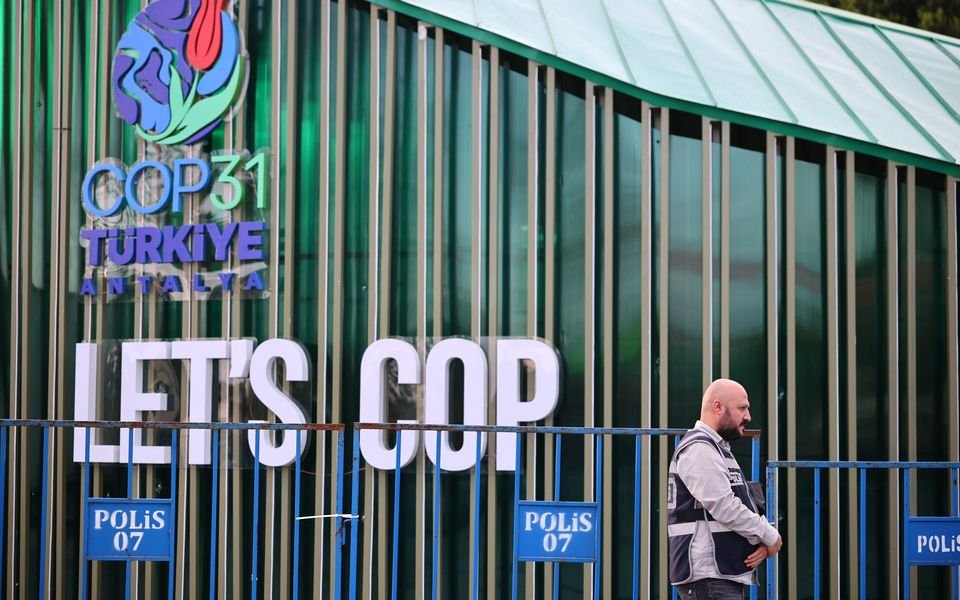
As the COP31 climate conference in Antalya, Turkey, enters its decisive second week, the United Nations’ top climate official has issued a stark warning to delegates: the time for incremental posturing has passed. With the summit reaching a critical juncture, UN climate chief Simon Stiell is urging negotiators to abandon “tactical delays” and focus on the substantive, and often difficult, compromises required to secure a meaningful global agreement.
The atmosphere in Antalya reflects a world increasingly distracted by geopolitical volatility. From ongoing regional conflicts to the suffocating pressures of global inflation, climate change has been pushed further down the priority lists of many world governments. This shifting focus has emboldened resistance from major fossil fuel producers and high-consumption nations, who remain wary of any agreement that mandates firm, accelerated targets for weaning the global economy off oil, gas, and coal.
“Each country has a view. Every country has a voice. Getting agreement on every word, every sentence is tough but vital work,” Stiell told reporters on Saturday. “There is no collective success without compromise from every party.”
The urgency of the situation is underscored by recent data from the UN, which indicates the world is already on track to surpass the 1.5 degrees Celsius warming threshold. Scientists have repeatedly warned that exceeding this limit will trigger the most catastrophic impacts of climate change, yet the political appetite for radical systemic reform remains uneven.
Host nation Turkey is attempting to break the deadlock by centering the negotiations on a global electrification plan. The proposal seeks to accelerate the transition away from fossil fuel-powered vehicles, boilers, and industrial furnaces. However, the plan has met with skepticism from environmental observers and several delegations. The core of the criticism lies in the fact that Turkey’s proposal does not explicitly mandate that the increased electricity demand be met through renewable energy sources. Critics argue that without this binding transition, the plan could merely shift the location of emissions rather than eliminating them.
This point of contention highlights the perennial “natural tensions” that Stiell acknowledged during his briefing. Major oil producers, such as Saudi Arabia and Russia, continue to leverage their influence to block language that would explicitly constrain the fossil fuel industry. Simultaneously, large developing economies, including India, remain cautious of any international framework that might limit their domestic industrial development or restrict their sovereign energy choices.
Adding a layer of significant uncertainty to the proceedings is the notable absence of the United States. For the second consecutive year, the world’s largest oil consumer has skipped the summit. The Trump administration’s stance—which characterizes global warming as a hoax and actively promotes the expansion of fossil fuel production—has left a vacuum in global climate leadership that the remainder of the COP31 attendees are struggling to fill.
Chris Bowen, Australia’s COP31 President of Negotiations, indicated that a first draft of the final deal is expected early next week. For climate advocates, the pressure is mounting. They fear that if the final text lacks concrete commitments to phase out fossil fuels, the Antalya summit will be remembered as another missed opportunity in a decade defined by climate inaction. As delegates prepare for the final days of intensive negotiation, the divide between the necessary scientific response and political reality has never been wider. Whether the parties can find a middle ground before the closing gavel remains the defining question of the summit.
Disclaimer: This content is auto-generated for informational purposes only.
Source: Read Original News