








Strategic Consolidation in the Tata Aviation Ecosystem
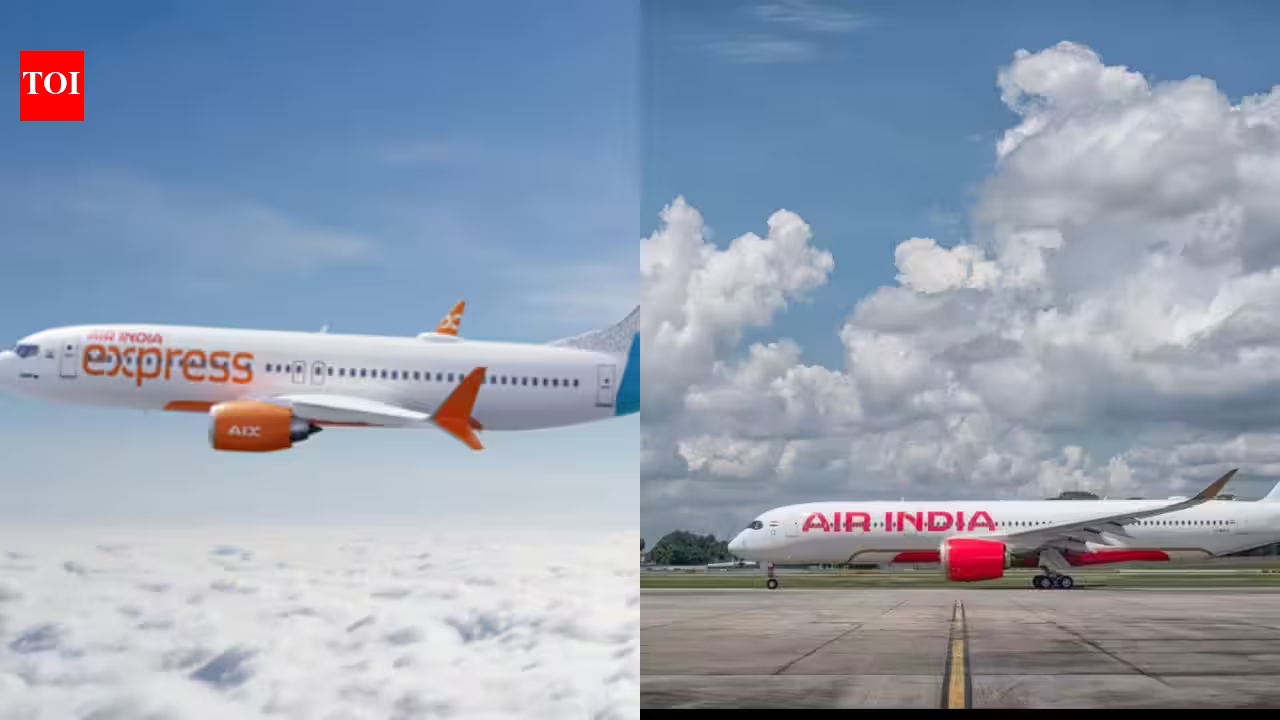
The aviation sector in India is currently witnessing a critical juncture as the Tata Group navigates the complex integration of its airline portfolio. Under the leadership of N Chandrasekaran, the board of Air India has identified the synergy between the flagship full-service carrier, Air India, and its low-cost subsidiary, AI Express, as the primary lever for fiscal stabilization. This strategic shift comes at a time when the broader Air India group has faced significant financial strain, accumulating losses exceeding Rs 50,000 crore within five years of the transition back to Tata ownership. The mandate for the newly appointed leadership is clear: transition from a phase of massive capital investment to a period of stringent cost rationalization and operational efficiency.
The integration effort is not merely an administrative alignment; it represents a fundamental restructuring of how the group manages its diverse flight networks. By streamlining roles across both the full-service and budget airline segments, the group aims to eliminate redundancies that have historically hampered profitability. For an organization as vast as the Air India group, which manages complex operations across domestic and international sectors, centralizing functions such as procurement, ground handling, and maintenance provides a scalable solution to combat rising operational expenses.
Addressing Structural Headwinds and Financial Vulnerability
The financial landscape for the airline has been exacerbated by macroeconomic pressures that are largely outside its immediate control. With losses for the 2026 fiscal year surpassing Rs 22,000 crore, the airline is grappling with a trifecta of adverse conditions: the volatile escalation of global jet fuel prices, the sustained depreciation of the Indian Rupee against the dollar, and restrictive airspace closures. The latter has proven particularly damaging to Air India’s competitive advantage. Historically, the airline’s core strength was its ability to provide direct connectivity to North America, Europe, and Australia. However, geopolitical constraints have forced longer flight paths, significantly increasing fuel burn and crew utilization times, which in turn diminishes the profitability of these high-yield routes.
To mitigate these losses, the airline is shifting its focus toward optimizing route networks. This involves the rationalization of loss-making segments that drain resources without providing strategic value. By prioritizing high-density, high-demand routes and focusing on fuel efficiency—perhaps the single largest variable cost in aviation—the board aims to stabilize the balance sheet. This analytical approach to network planning is a departure from historical practices and reflects a commitment to data-driven decision-making, ensuring that every seat-kilometer flown contributes effectively to the group’s bottom line rather than compounding existing debt.
Leadership Mandate and the Push for Market Recovery
Tewolde Gebremariam, the recently appointed CEO and Managing Director, has signaled a shift in tone regarding Air India’s competitive positioning. His assessment that the airline has long punched below its weight provides a clear trajectory for the coming fiscal periods. The objective is to reclaim market share from international carriers that have effectively captured the demand for long-haul travel from India. Given the growing volume of international traffic emanating from the Indian subcontinent, the airline’s leadership views the current loss-making phase as a temporary hurdle in a long-term growth story.
The strategy involves a two-pronged approach: strengthening the fleet with modern wide-body aircraft to compete with global carriers on comfort and capacity, and executing a rigid cost-control program. Gebremariam’s perspective emphasizes that the Indian market possesses immense potential for a national carrier that can deliver both reliability and connectivity. By aligning the airline’s internal culture with the rigorous performance standards of the Tata Group, the leadership is attempting to institutionalize accountability. This involves a shift in how operational failures are viewed; they are no longer systemic externalities but manageable variables that must be rectified to achieve short-term profitability.
Optimizing Operational Synergy and Cost Rationalization
The integration of Air India and AI Express functions is designed to capture economies of scale. In the context of the Indian aviation market, where margins are razor-thin due to intense competition and price-sensitive consumer behavior, even minor improvements in operational efficiency can yield significant impacts on the EBITDA. The town hall meetings planned for the workforce are indicative of the management’s desire to socialize these changes. Clear communication regarding the necessity of cost rationalization is vital to ensure that employees, from ground staff to flight deck crew, are aligned with the group’s overarching financial goals.
Furthermore, the board’s recent discussions in New Delhi highlighted that the revival plan is not just about downsizing or cutting costs, but about revenue optimization. This includes better yield management, potential adjustments in pricing strategies for premium cabins, and leveraging the combined fleet capacity to achieve better utilization rates. The Tata leadership’s hands-on involvement, evidenced by the visit to the aviation academy and the headquarters in Gurgaon, underscores the significance of the human capital component in this transformation. Equipping staff with the right training and adopting advanced digital tools for maintenance and flight planning are essential parts of this broader transformation.
Future Outlook for the Indian Aviation Landscape
Looking ahead, the success of the Air India group will likely serve as a barometer for the health of the broader Indian aviation industry. As one of the few players with a multi-brand strategy encompassing regional, low-cost, and full-service operations, the group’s ability to successfully navigate its current financial challenges will dictate its influence in the global arena. The focus on long-term opportunities suggests that the board is willing to endure short-term pain to secure a structural advantage. If the group can successfully integrate its disparate divisions and optimize its fuel-to-revenue ratio, it will be well-positioned to capitalize on the expected surge in Indian air travel demand over the next decade.
However, the path to profitability remains tethered to global oil prices and currency stability. While the airline can control its internal operational efficiency, it remains vulnerable to external shocks. Therefore, the strategy of “synergy and integration” acts as a vital buffer. By consolidating its purchasing power and aligning its route network to avoid cannibalization, the group creates a more resilient foundation. For stakeholders and the industry at large, the next few quarters will be defined by how effectively this integration is executed on the ground. If the current leadership can prove that Air India can indeed compete on quality and cost, it would mark a significant milestone in the history of civil aviation in India, potentially turning one of the country’s most challenging corporate turnaround stories into a case study of resilient industrial recovery.
Disclaimer: This content is auto-generated for informational purposes only.
Source: Read Original News