









Dynamic Pricing Models and the Digital Consumer Experience
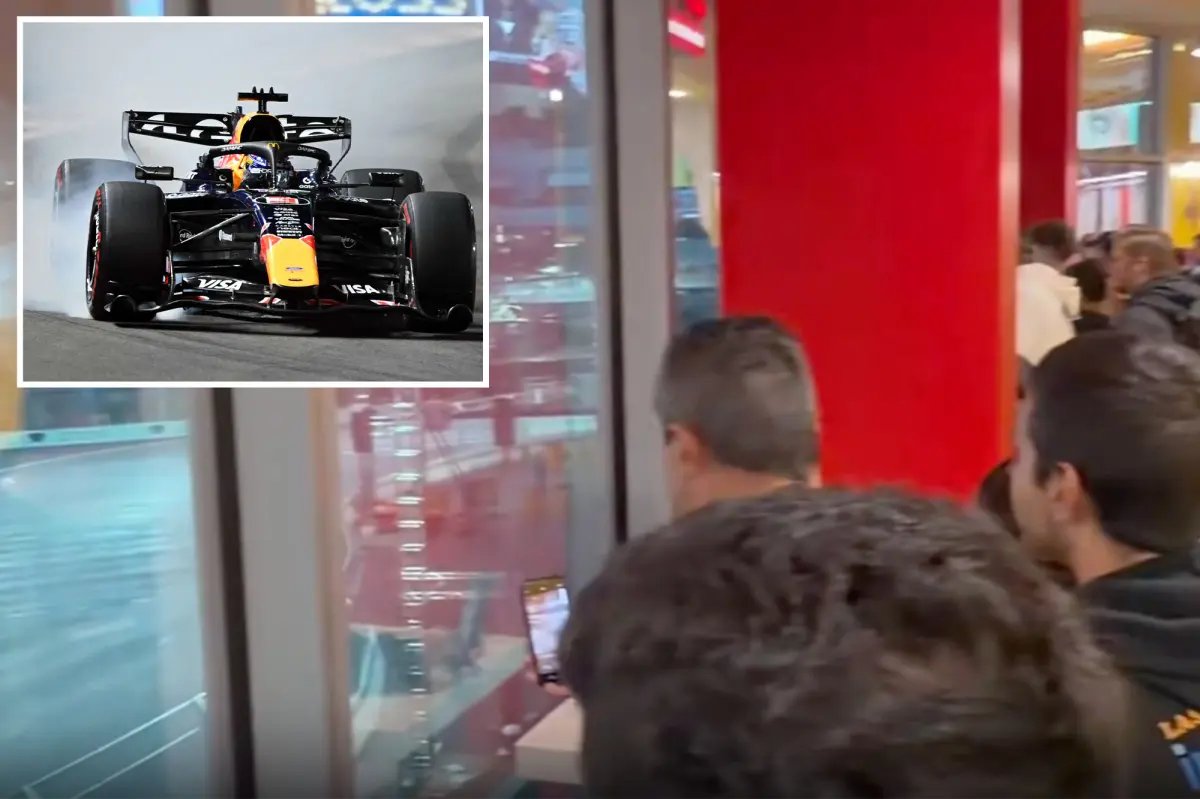
The recent controversy surrounding a Bojangles restaurant in Las Vegas serves as a stark case study in the intersection of real-time event economics and consumer transparency. During the 2026 Formula 1 Grand Prix, reports emerged of the establishment charging customers $100 for a ten-minute seating interval. This incident highlights the growing prevalence of dynamic pricing strategies—a model powered by algorithmic adjustments that fluctuate prices based on demand, time, and situational exclusivity. While digital platforms and ride-sharing services have normalized these fluctuating costs, the physical implementation in a fast-casual dining environment brings to light the friction between business optimization and consumer expectations.
Technological infrastructure now allows physical venues to monitor throughput and demand in real time. Systems that track occupancy and turnover can technically support automated or management-directed price adjustments. However, the application of such technology requires a high level of digital signage integration and clear communication to avoid negative brand impact. When businesses utilize data-driven insights to maximize revenue during peak events, the lack of transparency often results in significant public relations challenges, as demonstrated by the social media backlash currently facing this specific franchise location.
The Mechanics of Venue Revenue Management
At the core of the issue is the deployment of revenue management software in non-traditional retail spaces. Traditionally, these systems were reserved for the airline and hospitality industries, where inventory is fixed and time-sensitive. In the context of a major sporting event like the Las Vegas Grand Prix, prime locations along the track are viewed as high-value digital and physical assets. The ability to monitor, record, and capitalize on these assets creates a conflict when the consumer expectation for a standard dining experience meets the reality of event-driven enterprise management.
From a technical standpoint, the implementation of such high-frequency pricing requires robust point-of-sale (POS) systems that can quickly adjust menu pricing or service fees. These systems are designed to maximize yield per square foot. However, without a synchronized digital interface—such as a mobile app or integrated display system that updates patrons in real time—the sudden introduction of high-premium fees can be perceived as exploitative. The “chicken tax,” as dubbed by observers, underscores the necessity for digital accountability in systems that manage dynamic service costs.
Consumer Protections and Data Disclosure Standards
In an era where personal data and consumer spending habits are meticulously tracked, the legal and ethical framework for variable pricing remains a subject of intense debate. Consumer protection regulations generally require that any premium fee or cover charge be clearly disclosed to the customer at the point of entry. The threat of removal or the involvement of law enforcement for non-payment touches upon the digital terms of service that define the “physical user agreement” of a business location.
As technology continues to integrate with physical commerce, the standards for notifying consumers of price fluctuations must evolve. Modern POS systems are capable of displaying real-time fee breakdowns, yet these features are often bypassed in favor of manual overrides. This creates an imbalance of information. For businesses operating in high-traffic, high-visibility zones, the transition to digital-first pricing strategies necessitates an adherence to strict disclosure protocols, ensuring that the technology driving the profit does not inadvertently violate the trust of the local consumer base.
Technological Friction in High-Stakes Environments
The Las Vegas F1 event represents a unique environment where physical geography and digital connectivity converge. Businesses located on the circuit are subject to intense scrutiny from both race organizers and the public. Reports suggest that F1 organizers have historically demanded licensing fees from trackside venues, effectively creating a tiered system of access. This technological and logistical overhead drives businesses to find ways to recoup their investments, often leading to the aggressive pricing structures observed at the Bojangles location.
The use of social media to document these encounters has created a feedback loop that serves as a modern form of regulation. Through platforms like X and Instagram, consumers provide real-time audits of business conduct, forcing corporations to address management decisions made at the franchise level. The digital record of the interaction acts as a form of evidence, influencing the reputation of both the specific operator and the parent corporation. As this case evolves, it will likely serve as a benchmark for how corporate entities handle the intersection of franchise autonomy and standardized digital pricing policies.
Future Trends in Automated Retail Management
Looking forward, the integration of artificial intelligence and machine learning into retail management will likely lead to more sophisticated demand-forecasting models. These tools can predict the optimal price point for a seat or a service minute, theoretically maximizing efficiency. However, the human element—specifically the service of food and the expectation of a hospitality-oriented environment—acts as a constraint on how these algorithms should be deployed.
The future of retail management in high-demand zones will likely involve “smart” signage and integrated mobile systems that provide transparent, pre-transaction pricing. By bridging the gap between automated backend systems and the consumer interface, businesses can capture the value of their prime location without resorting to tactics that trigger public outrage. Until then, the disconnect between revenue-generating algorithms and customer experience remains a critical pain point for retail and hospitality brands operating in the age of high-frequency commerce. The incident at the Las Vegas Grand Prix stands as a warning that technological capability does not override the fundamental need for clear, fair, and transparent consumer engagement.
Disclaimer: This content is auto-generated for informational purposes only.
Source: Read Original News