







The Architecture of a Unified Home Platform
Apple is reportedly nearing the launch of a significant addition to its software ecosystem: an operating system designed specifically for the smart home. Based on recent reporting, this new platform—widely expected to be named homeOS—represents a structural departure from the company’s existing silos. Rather than forcing a mobile-first interface onto hardware intended for stationary use, Apple has engineered a hybrid environment that synthesizes the interface characteristics of iOS, tvOS, and watchOS.
The technical foundation of homeOS is designed to manage a dedicated smart home hub. This device, rumored to feature a compact, square display measuring between 6 and 7 inches, functions as a centralized control node for residential ecosystems. By consolidating the features of these disparate systems, the platform aims to provide a consistent interaction model that is optimized for ambient computing—a state where the interface remains accessible at a distance but provides granular data upon closer inspection.
Adaptive User Interfaces and Facial Recognition
One of the defining technical advancements of this new operating system is its ability to adjust the interface based on user proximity. Utilizing integrated facial recognition hardware, the home hub can detect the presence and identity of individuals within the room. This capability allows the device to transition dynamically between broad, high-visibility notifications and more detailed, personalized data displays.
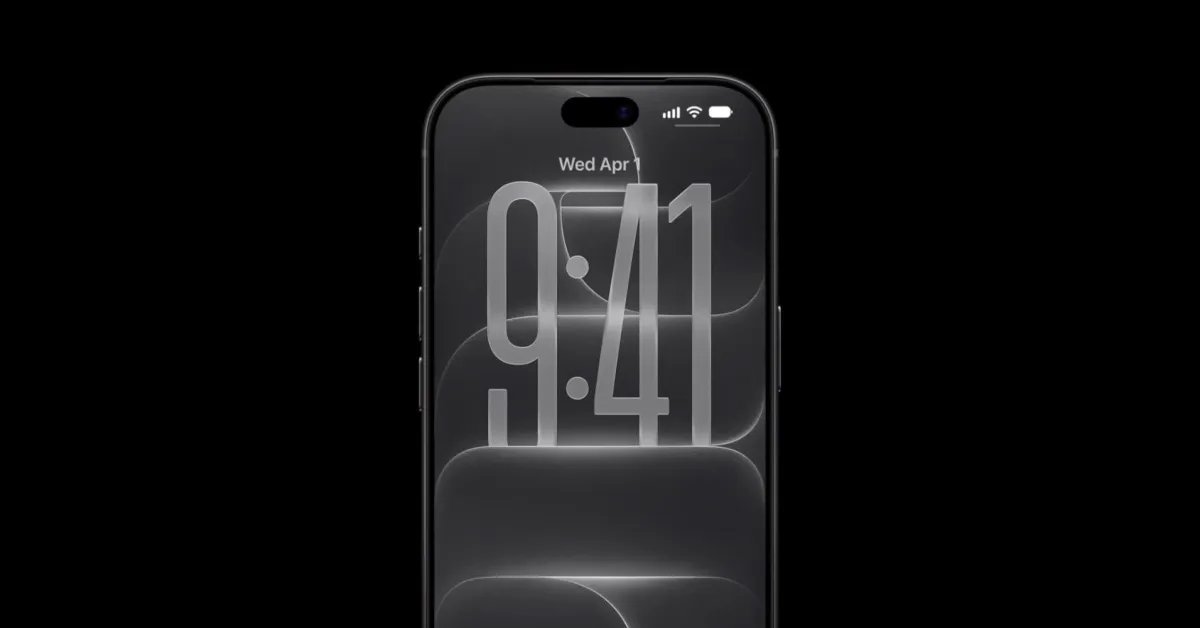
When a user stands at a distance, the system leverages scalable design patterns borrowed from tvOS, displaying large, high-contrast elements that remain legible across a room. As the user moves closer, the system switches to a more information-dense layout, utilizing a grid-based icon system reminiscent of the iPhone’s springboard and custom clock faces similar to those found on the Apple Watch. This proximity-aware logic ensures that the device is never overwhelming when the user is passive, yet remains highly functional when the user is engaged.
Deep Integration of Siri AI
At the center of the homeOS experience is a specialized implementation of Siri AI. Unlike previous iterations of the voice assistant, which were primarily focused on reactive commands, the Siri AI embedded in this operating system is designed for conversational context and proactive management. It serves as the primary navigation layer for the device, enabling users to orchestrate complex routines across connected HomeKit peripherals, security cameras, and multimedia devices.
The operating system will ship with a suite of native applications optimized for this hardware, including Calendar, Camera, Apple Music, and Apple News. Furthermore, the platform introduces a standalone interface for Siri, providing a visual representation of active processing and query results. By hosting these applications locally, the hub reduces reliance on external devices like an iPhone or iPad, allowing the smart home to operate with greater autonomy.
Cross-Platform Convergence and Multitenancy
The introduction of homeOS fills a specific gap in Apple’s current portfolio, which consists of iOS, iPadOS, macOS, watchOS, tvOS, and visionOS. A critical challenge for smart home devices has been managing multiple users within a single household. Apple has addressed this through native multi-user support, a feature baked into the kernel of the new operating system.
By leveraging the hub’s facial recognition technology in conjunction with multi-user accounts, the device can switch profiles in real-time. This means that a person walking up to the display will see their specific calendar, their personalized music recommendations, and their unique HomeKit accessory dashboard. This individualized approach represents a technical maturation of the smart home, moving away from a single “master” controller toward a shared device that treats each member of a household as a unique entity.
The Hardware Context and Market Strategy
The hardware slated to run this operating system is described as a fusion between a high-fidelity HomePod speaker and an interactive tablet display. This form factor is intended to occupy a permanent position in the home, likely mounted on a wall or placed on a countertop. By providing a dedicated screen, Apple is pivoting toward a more visual management system for its HomeKit architecture.
Beyond the immediate utility of controlling lights, thermostats, and security locks, the hub is engineered to serve as a video communication terminal. The inclusion of FaceTime support, coupled with the camera hardware required for facial recognition, positions the device as a modern replacement for the kitchen intercom. Because the software is built from the ground up for this specific hardware, Apple is expected to achieve a level of power efficiency and latency reduction that would be impossible with a standard tablet running a general-purpose operating system.
Impact on the Connected Home Ecosystem
The release of homeOS and its corresponding hub signals a strategic shift in how Apple intends to maintain dominance in the smart home sector. By standardizing the operating environment for home-centric hardware, Apple is creating a centralized point of failure for home management that is much harder to ignore than a smartphone.
For developers, this platform presents a new target for application design. The requirement to support grid layouts, widget-based data visualization, and gesture-free interaction modes will challenge existing software paradigms. As Apple prepares to unveil this technology in the coming weeks, the industry will be watching to see how the company balances the privacy requirements of persistent facial recognition with the convenience of an ambient, always-on interface. With Siri AI as the primary coordinator, the success of this system will likely hinge on its accuracy in recognizing user intent and its ability to act as a seamless gateway between the digital world and physical domestic environments.
Disclaimer: This content is auto-generated for informational purposes only.
Source: Read Original News