







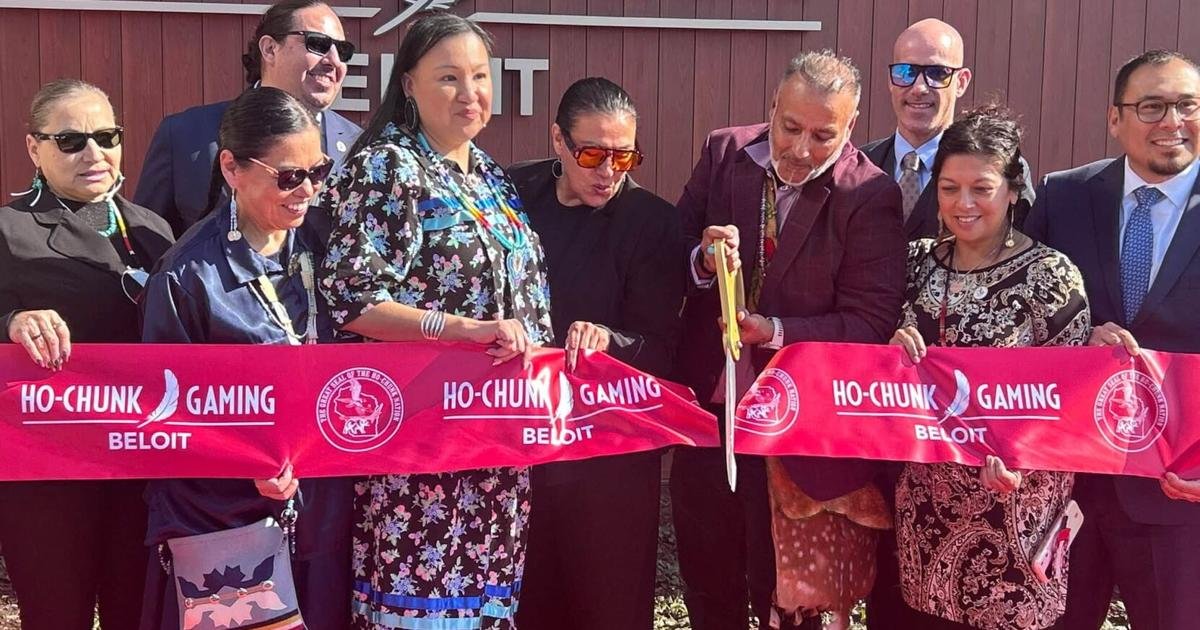
BELOIT, Wis. — The transformation of a derelict, overgrown field once marred by illicit activity into the state’s second-largest casino marks a monumental chapter in the history of Beloit. On Friday, Ho-Chunk Nation President Jon Greendeer presided over the grand opening of Ho-Chunk Gaming Beloit, a $705 million development that stands as the largest single-site construction project in the city’s history.
The site’s evolution from a location where Greendeer famously discovered a clandestine meth lab during a 2012 site visit to a sprawling hub of entertainment and regional economic activity represents more than a decade of perseverance, bureaucratic maneuvering, and personal resilience.
From Urban Decay to Economic Engine
For years, the project faced significant uncertainty. While the vision for a casino in Beloit was long-standing, it hit various political and logistical hurdles. It wasn’t until 2021 that Governor Tony Evers provided state-level approval, followed by the federal government’s 2022 decision to place 33 acres of land into trust for the Ho-Chunk Nation.
Following a period of leadership transition where internal debates questioned the financial prudence of the project compared to existing enterprises, Greendeer reclaimed the presidency in 2023. He immediately accelerated the development. With the doors now officially open, the facility has hit the ground running with nearly 800 employees, instantly positioning itself as one of the city’s top five largest employers. The project is far from complete, however; future phases, including a 312-room hotel and a convention center, are slated for completion by 2027.
Leadership and Resilience
The opening day carried deep personal significance for Greendeer, who revealed to the crowd that he had survived a heart attack in June 2025. “I have a titanium chest now,” he remarked, noting that despite his active lifestyle—which includes regular mountain climbing—the stresses of the role and hereditary factors took their toll.
His return to leadership served as a catalyst for the project. Reflecting on the skepticism the initiative faced over the years, Greendeer emphasized the “tenacious” spirit of the Ho-Chunk people. “There were lots of points since then where a reasonable thinker would have thought that this was never going to happen,” he stated.
Navigating Modern Demands: A Tech-Forward Future
While the casino focuses on traditional gaming and hospitality, the scale of the operation—including traffic management and public safety—has required a sophisticated, integrated approach to logistics. The Beloit Police Department was forced to issue traffic alerts shortly after the 2:00 p.m. opening, as local interest overwhelmed initial parking capacity.
In an era where the entertainment industry is increasingly being disrupted by digital transformation, generative AI, and real-time data analytics, the Ho-Chunk Nation is looking at how modern infrastructure can support high-volume, secure environments. While the gaming floor remains the core, the project’s success relies on the kind of data-driven resource allocation that allows large organizations to monitor facility flow, employee management, and guest safety in real-time.
As the region embraces this massive infusion of capital, the city and the Nation are looking toward 2027. By integrating high-tech hotel management systems and digital convention services, the project aims to ensure that its physical footprint is matched by a digital infrastructure capable of supporting the modern traveler and business professional.
The grand opening, preceded by a “Beloit Day” sneak preview, signals a new era for the region, proving that even the most stagnant landscapes can be repurposed into vibrant, tech-ready hubs of local industry.
Disclaimer: This content is auto-generated for informational purposes only.
Source: Read Original News