







India Faces Diplomatic High-Wire Act as it Hosts Complex BRICS Summit
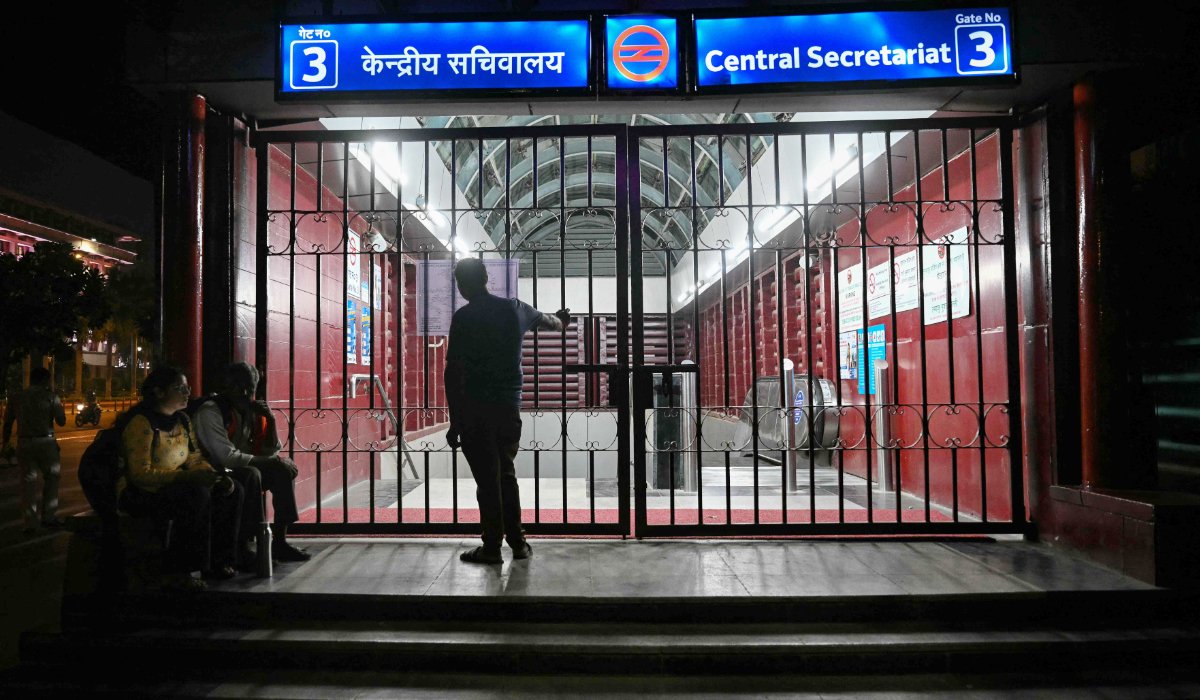
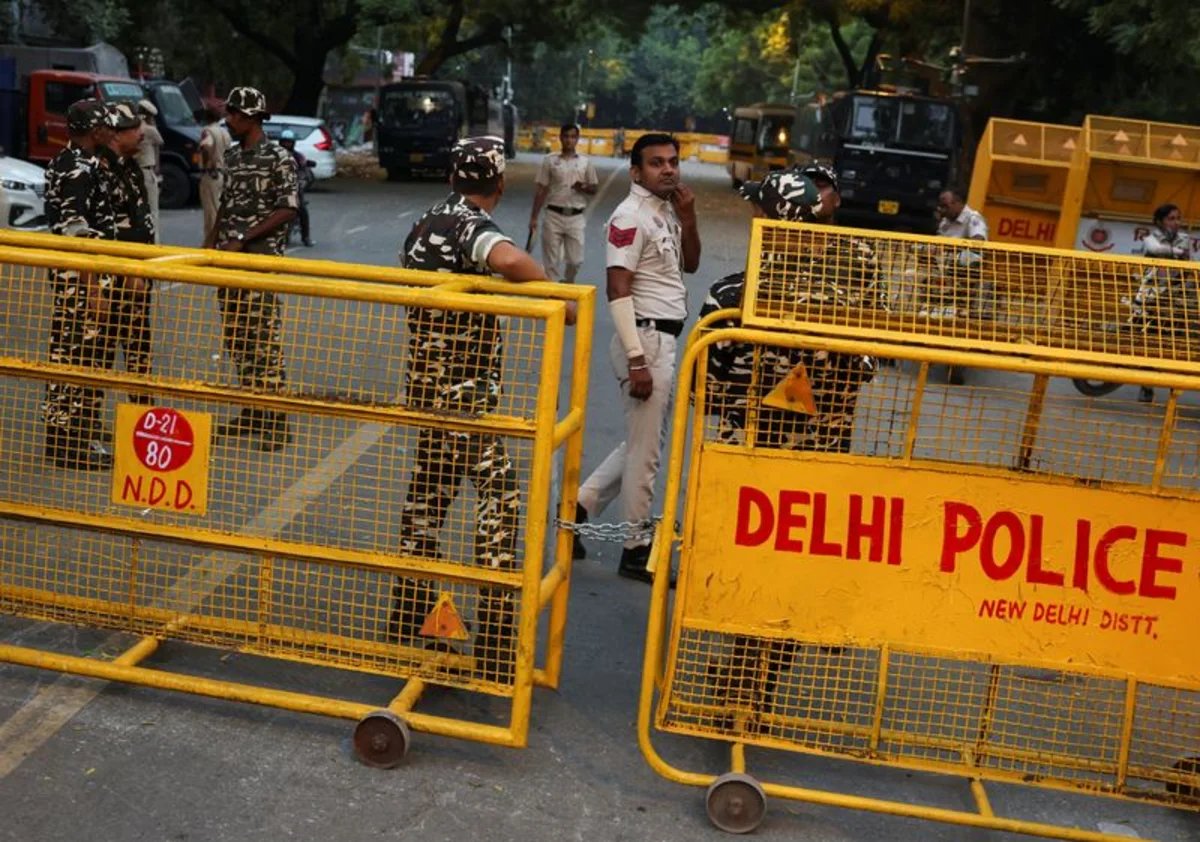
New Delhi: India is preparing to host one of the most geopolitically fraught BRICS summits in the bloc’s history, scheduled for September 12 and 13. As global powers and emerging economies gather in the capital, the summit promises to be a delicate balancing act for New Delhi, complicated by regional conflicts and shifting global alliances.
A Diverse and Divided Coalition
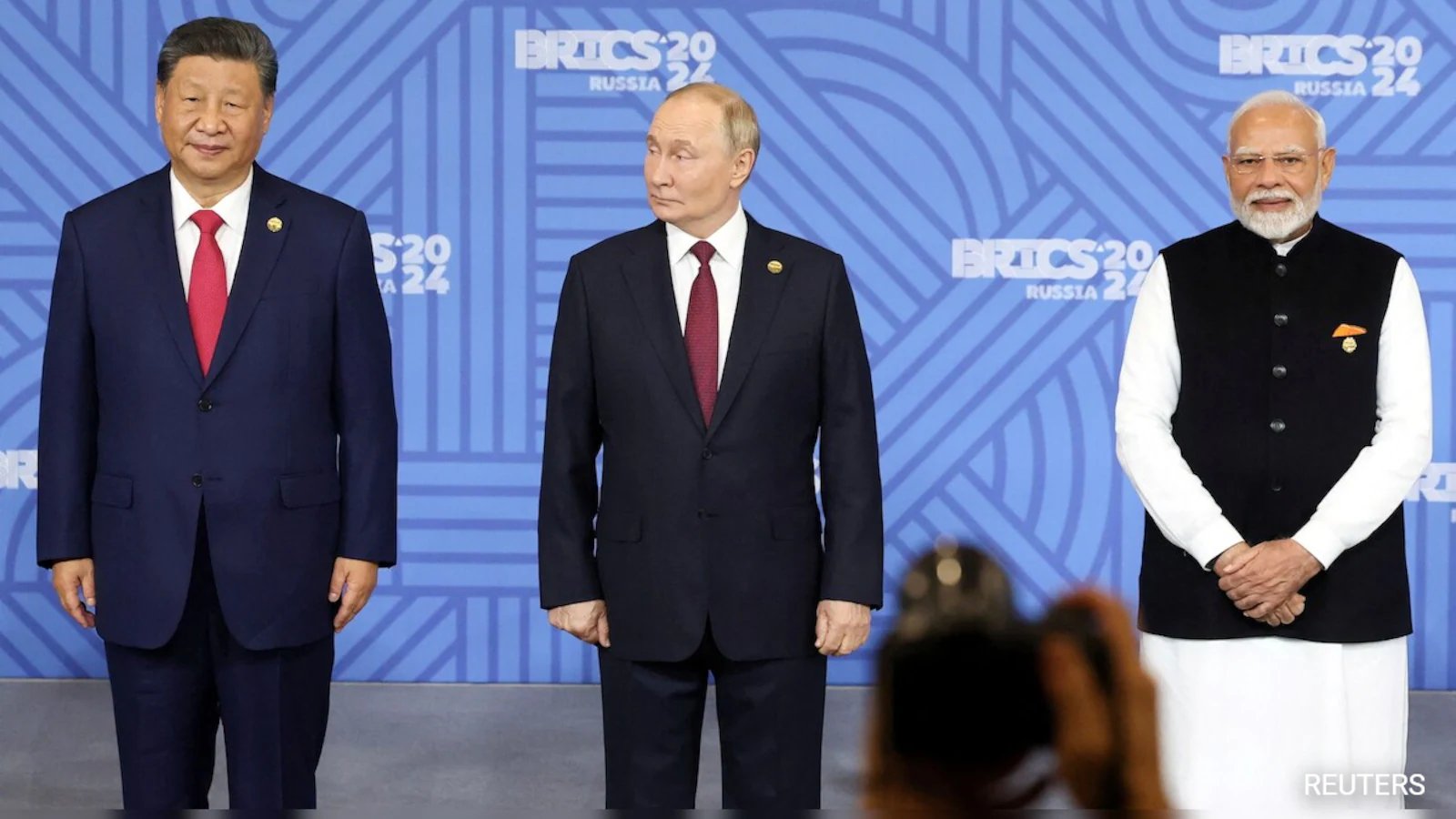
The summit will see a significant assembly of leaders from the expanded BRICS grouping, which now spans across Asia, Africa, the Middle East, and Latin America. Notably, Russian President Vladimir Putin and Chinese President Xi Jinping are expected to attend, alongside Iranian President Masoud Pezeshkian.
However, the guest list reflects the complex internal dynamics of the bloc. Brazilian President Luiz Inacio Lula da Silva is unable to attend due to domestic commitments, and the UAE will be represented by Abu Dhabi Crown Prince Sheikh Khaled bin Mohamed bin Zayed Al Nahyan, stepping in for the UAE President. Participation from Saudi Arabia and Bolivia remains subject to uncertainty.
The Shadow of the Middle East
While the official agenda prioritizes trade, development financing, and the reform of global institutions, diplomats involved in the preparations admit that the ongoing conflict in the Middle East will likely overshadow formal discussions.
Iran is expected to lobby for specific language in the summit declaration concerning recent strikes and sanctions. Given that BRICS operates on a principle of consensus, a single dissenting delegation could potentially paralyze the negotiations. “The language on West Asia is where the pressure is,” a diplomat familiar with the process noted. “Everyone has their own red lines.”
For India, the stakes are high. Escalations in the Red Sea threaten the economic stability of key regional partners like Egypt, while the Gulf states are closely monitoring the potential for energy market volatility.
India’s Strategic Balancing Act
New Delhi is operating under a unique set of constraints. India has successfully nurtured a strategic partnership with Israel while simultaneously maintaining deep-rooted historical and energy ties with Iran. Furthermore, with millions of Indian citizens working across the Gulf, any regional instability has direct domestic implications for New Delhi.
The presence of President Putin and President Xi adds further complexity. Despite pressure from Western capitals, India has maintained robust defense and energy relations with Russia. Simultaneously, while military tensions along the Line of Actual Control have eased, India remains in a state of strategic rivalry with China.
A Test of Diplomatic Craft
The inclusion of new members and observers—including Indonesia, Egypt, Ethiopia, Nigeria, and others—has transformed BRICS into an organization with profoundly divergent interests. Some members, like Iran, maintain an openly adversarial stance toward Western security architecture, while others, such as the UAE and Saudi Arabia, balance their BRICS engagement with long-standing security relationships with the United States.
For India, the challenge is twofold: facilitating a productive dialogue on economic growth and global governance while preventing the “divided room” from fracturing over Middle Eastern geopolitics. If New Delhi can steer the summit toward a consensus on development and institutional reform, it will be viewed as a major diplomatic triumph. If not, the gathering may be remembered as a flashpoint for the group’s internal contradictions.