








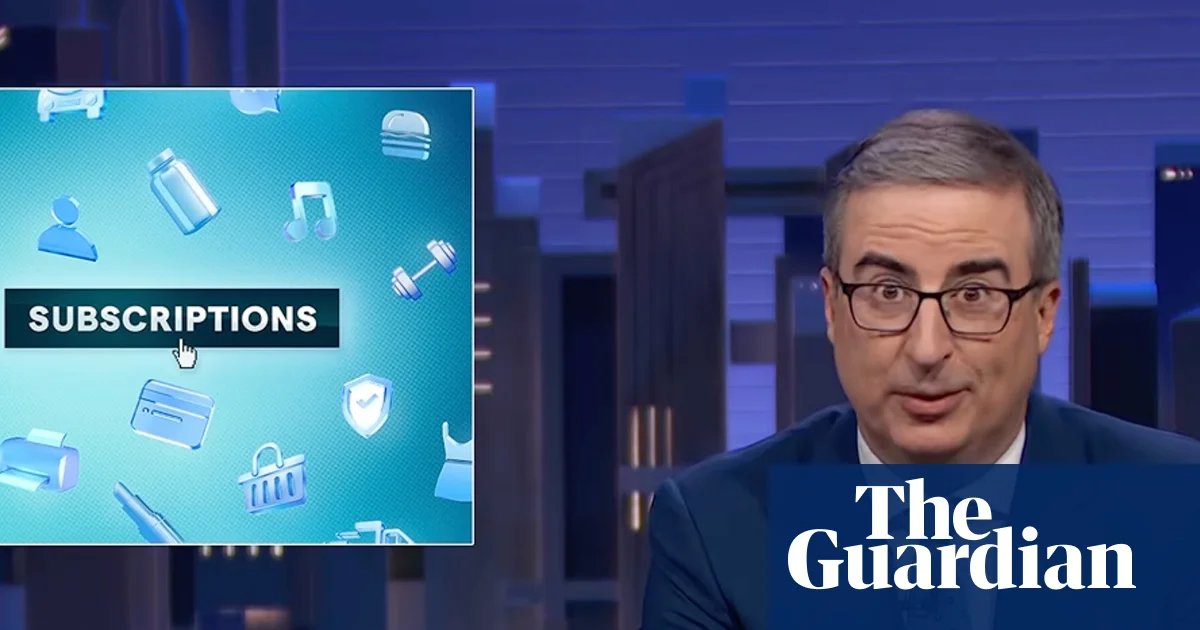
The Subscription Trap: John Oliver Exposes the Growing Economy of ‘Everywhere’ Recurring Fees
In an era where almost every aspect of daily life is being converted into a recurring monthly payment, John Oliver is calling for a reckoning. On the latest episode of his HBO series, Last Week Tonight, the host dismantled the pervasive rise of the subscription-based business model, arguing that modern corporations have weaponized consumer convenience to trap users in a cycle of endless billing.
“Subscriptions are now basically everywhere, and many of us don’t even realize how much we spend on them,” Oliver noted during his segment on the subscription economy.
From Software to Survivalism
While the subscription model once felt limited to magazines and cable television, the internet has allowed businesses to monetize virtually every physical object. Oliver highlighted a bizarre range of offerings, from Apocabox—which delivers survivalist gear—to services shipping non-human skulls.
More concerning, however, is the encroachment into the home appliance market. Companies are increasingly embedding “smart” technology into everyday items, requiring users to pay monthly fees to unlock basic functionalities. This trend is particularly prevalent in the automotive sector; major manufacturers like General Motors are eyeing massive profits—projected at $25 billion annually by 2030—by charging users extra for features like remote unlocking or enhanced cruise control.
The “Smart” Surveillance State
The expansion of these business models has also introduced a significant privacy concern. By connecting household appliances like dishwashers and washing machines to the internet, corporations are gathering granular data on consumer habits.
Oliver expressed palpable frustration at the prospect of a washing machine manufacturer tracking a family’s laundry frequency to determine if they have recently had a baby. “No company needs to know I had a child,” Oliver quipped, noting that there are far more natural ways to spot a new parent than by having an appliance “spy on them through their fucking washing machine.”
The Art of the “Dark Pattern”
Oliver pointed out that the prevalence of these services is no accident. He cited the widespread use of “dark patterns”—deceptive design choices intended to manipulate users. Companies often employ these tactics to enroll customers in subscriptions they didn’t intend to purchase, such as bundling a food delivery service with a rideshare app, only to have the trial period quietly convert into a permanent, paid subscription.
While signing up is often designed to be a frictionless, one-click experience, the process for cancellation is frequently built to be a “nightmare.” Oliver pointed to the Federal Trade Commission’s scrutiny of companies like LA Fitness, which has historically required convoluted steps—such as certified mail or multi-layered phone calls—to end a membership.
A Legislative Roadblock
The segment arrived at a bleak conclusion regarding regulatory relief. Last summer, the FTC’s proposed “click to cancel” rule, which would have mandated that cancelling a subscription be as simple as signing up for one, was struck down by a conservative US appeals court.
“It is frustrating that there is a tantalizingly easy fix to a ubiquitous problem within reach and we can’t seem to have it,” Oliver remarked.
For now, the host offered a grim piece of advice for viewers: manually audit bank statements and phone subscription settings to weed out the “forgotten” charges. According to recent surveys, Americans are currently paying double what they believe they are for monthly services—a clear indication that for the modern consumer, the subscription trap is working exactly as intended.