







It started with a simple, humbling moment on a busy sidewalk. Attempting to tie my shoelace, I lost my equilibrium entirely. As I flailed my arms to avoid a faceplant in front of a crowd of commuters, a sharp twinge in my lower back sent a clear signal: my body had become entirely too stiff and weak from years spent hunched over a desk. I realized then that my inactive routine of sofa-bound evenings needed a serious overhaul. Enter pilates, the century-old discipline that has recently moved from boutique studios to the mainstream fitness conversation.
The Great Male Migration to the Mat
Pilates carries a long history rooted in rehabilitation, originally developed by Joseph Pilates during the first world war to help patients recover their strength. While it spent decades being viewed primarily as a practice for dancers or women, the tide has shifted. Today, you will find professional athletes, actors, and everyday men filing into classes, often leaving with the realization that this is not a gentle walk in the park. The reputation of the “gym bro” trying pilates and trembling through a session is becoming a common, relatable narrative. Whether you are seeking improved posture or just trying to regain the ability to bend down without fear, the practice is a practical, effective remedy for the sedentary life.
Reformer Pilates: Getting to Grips with the Machine
My first foray into reformer pilates felt like stepping into an engineering lab. The machines look intimidating, featuring a complex array of springs, straps, and sliding platforms. My first class was a steep learning curve. I spent most of the session struggling with the foot bar, trying to keep my core engaged while sliding back and forth. The “hundred”—a classic exercise requiring you to pump your arms while holding your legs in the air—was my first real test of endurance. While I initially felt like a fish out of water, the machine actually acts as a guide, providing resistance that helps you isolate muscles you likely haven’t engaged in years. By the end of the first week, I felt physically spent, but that persistent lower-back ache was already showing signs of improvement.
The Benefits of Personalized Guidance
Moving from a large, fast-paced class to a smaller, more intimate setting was a turning point. Working with an instructor who could physically correct my form was transformative. In a group of three or four, the focus shifts from just keeping up with the crowd to performing each movement with precision. This is where pilates evolves from a simple workout into a true discipline. By correcting how I angled my body and how I engaged my core, the movements felt significantly more effective. My instructor explained that the true essence of the practice is about controlled, intentional movement rather than just burning through repetitions. For anyone starting out, finding a smaller session where the teacher can keep an eye on your technique is worth every penny.
Mat vs. Machine: The Ultimate Test
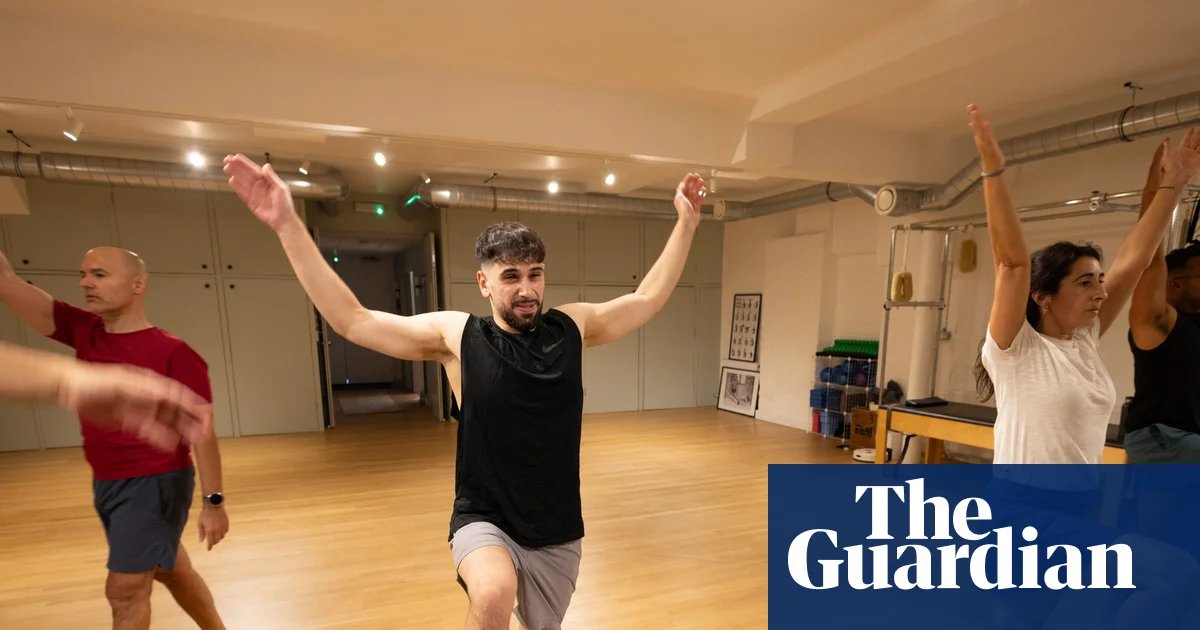
After weeks of relying on the support of the reformer machine, I decided to try a mat class. I expected it to be easier, but I was quickly proven wrong. Without the assistance of the machine, my own body weight and balance became my primary opponents. Mat pilates is honest; there is nowhere to hide. It requires a level of coordination and sustained muscle engagement that feels significantly more challenging than the reformer. However, the versatility of being able to drop a mat on the floor and perform these movements anywhere makes it an essential tool for long-term health. If the reformer builds your foundational strength, the mat tests your ability to maintain that strength on your own terms.
A New Foundation for Everyday Life
After a month of consistent practice, the changes are subtle but significant. I can now touch my toes without fearing a total loss of balance. My posture feels slightly more upright, and that nagging shoulder pain has quieted down considerably. While I haven’t turned into a social media influencer documenting my every stretch, I have gained something far more practical: a toolkit for maintaining my own physical health. Pilates is not about achieving a perfect, aesthetic look for the camera; it is about reclaiming the simple, everyday ability to move without pain. Whether I am bending to tie my laces or reaching for something on a high shelf, I feel more in control of my own body. That, to me, is the true win.
Disclaimer: This content is auto-generated for informational purposes only.
Source: Read Original News