








Building the Future: VVS Laxman Reflects on Shaping India’s Cricket Pipeline
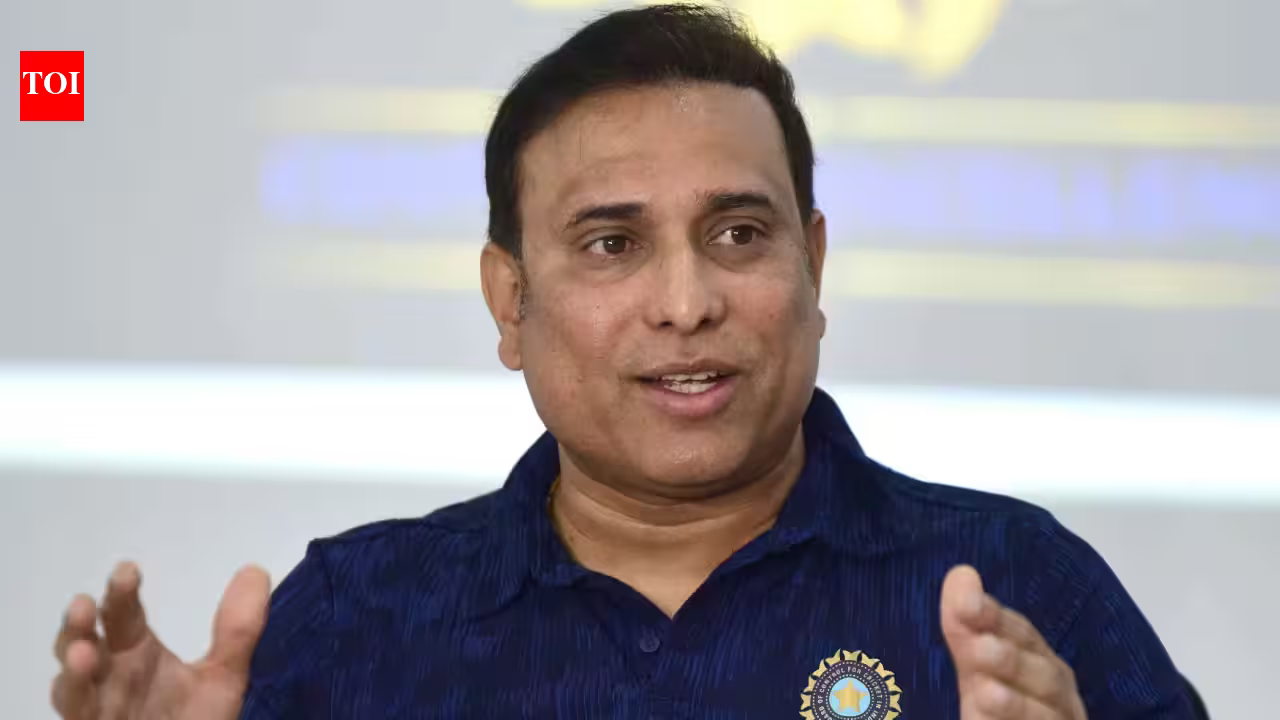
In December 2021, batting legend VVS Laxman made a pivotal career shift. Trading the glamour of a lucrative IPL contract and a successful stint in the commentary box for the rigors of sports administration, the Hyderabadi icon stepped into a role that would define the next chapter of Indian cricket. Nearly five years later, as he prepares to conclude his tenure at the helm of the BCCI’s Centre of Excellence, Laxman reflects on a journey of transformation, vision, and the pursuit of excellence.
From Modest Beginnings to a World-Class Ecosystem
Laxman’s tenure began at a compact facility within the M Chinnaswamy Stadium. Today, that vision has manifested into a sprawling, state-of-the-art campus on the outskirts of Bengaluru. Laxman credits former BCCI secretary and current ICC chairman Jay Shah for his vision in funding the project and the autonomy granted to him to execute a roadmap for long-term development.
“The biggest change is not just the infrastructure, but the ecosystem we have built—integrating coaching, sports science, technology, and education,” Laxman explained in an exclusive interview.
Democratizing Access to Excellence
One of the core tenets of Laxman’s philosophy is that elite training should not be reserved for the sport’s superstars. “The CoE cannot be only for contracted players,” he asserts. To fortify the foundation of Indian cricket, the facility has opened its doors to domestic and pathway players, ensuring they have access to the same caliber of sports science and coaching as those at the international level.
By identifying potential early and immersing talent in a high-performance environment, the BCCI aims to create a continuous, seamless pipeline from the Under-16 age group all the way to the senior national team.
Nurturing the Next Generation
Laxman’s hands-on approach with Under-19 and India A squads has been a highlight of his administrative career. He emphasizes that his role isn’t just about technical skill, but about instilling the “habits, discipline, and resilience” required for a long career.
“The most rewarding part is seeing a young player come in with raw potential and watching them evolve not just as a cricketer, but as a person,” Laxman noted. He takes particular pride in tracking the progress of youngsters from their initial camps in 2022 to their emergence on the international stage in 2025-26.
A New Era for Women’s Cricket
The growth of women’s cricket in India has been rapid, and Laxman is adamant that the infrastructure must keep pace. The CoE has moved away from simply “copying the men’s model,” opting instead to build expertise around the specific requirements of the women’s game. With the introduction of the U-15 category for girls, the system is now capturing talent at a younger age, a move that is already producing international-grade players.
Mentorship and the Transition to Coaching
A notable trend emerging in the domestic circuit is the number of active players undertaking formal coaching courses. Laxman believes this shift is crucial. “Coaching is not about showing people how much you know; it is about helping the player discover how much they can achieve,” he explains. He emphasizes that the transition from player to coach is a mindset shift that requires careful mentorship, communication, and leadership skills.
A Lasting Legacy
As his tenure winds down, Laxman is focused on the durability of the systems he helped install. The ultimate success, he believes, is that the CoE is no longer viewed merely as a rehab center for injured players, but as a hub for skill development and personal growth.
“I am proud that the CoE has evolved into a place where players come to learn and become better,” Laxman said. “The real success will be when these systems continue to benefit Indian cricket for many years to come.”