








The Environment Agency made the announcement this afternoon.
It comes as July is set to be the driest on record despite winter floods.
Dorset has been feeling the effect of the prolonged heatwaves – Lyme Regis remains under a hosepipe ban issued by South West Water in mid July.
Wessex Water issued a plea to customers in June and July to use water wisely as it was experiencing high demand.

Just last week, bottled water was handed out to residents in Beaminster, west Dorset, after a reservoir supplying around 2,500 residents struggled to keep up with demand during the hot weather.
Customers were not left without water at any point, said Cllr Craig Monks, but, as a precaution, Wessex Water stationed a lorry of bottled water at a local school in case alternative supplies were quickly needed.
Bottled water was also delivered to vulnerable customers on their Priority Services Register, he added.
Reservoir storage has fallen further to 75.3 per cent for England, around 7.4 per cent below the long-term average for the time of year.
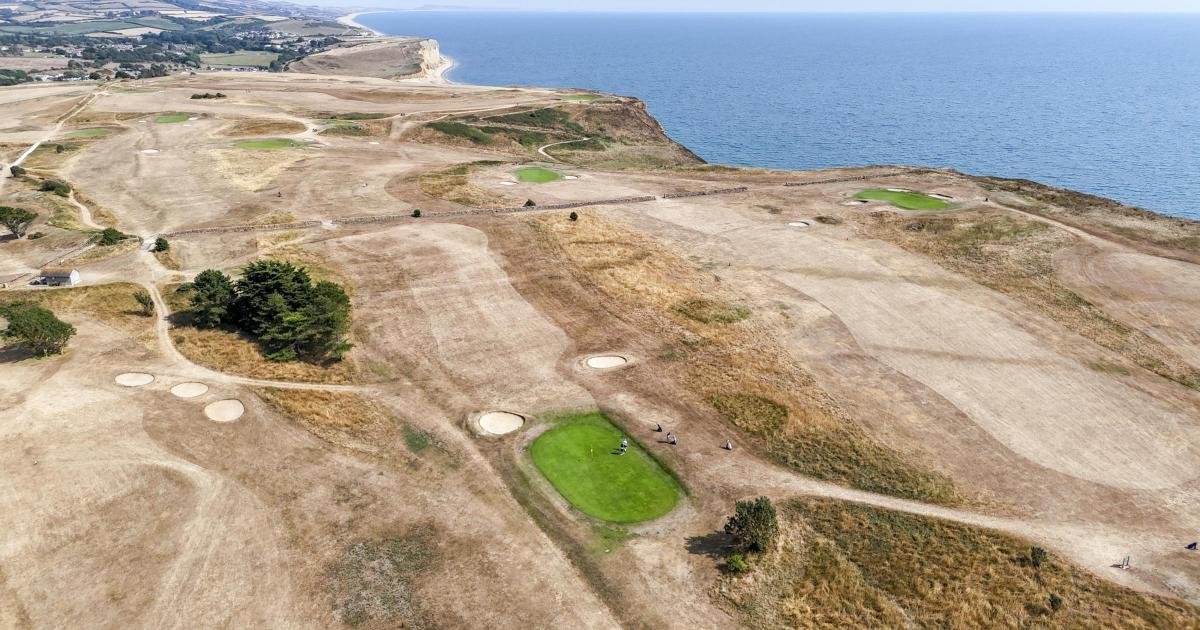
A large swathe of central, eastern, and southern England is now experiencing a flash drought – which develops very quickly brought about by a combination of very low rainfall and higher temperatures.
Rivers are running low, farmers are having to harvest crops early, wildfire risk is increasing, and millions of people are living under restrictions on water use.
Helen Wakeham, director of water at the Environment Agency and chairwoman of the National Drought Group, said: “The hot and dry weather means we are currently using water faster than nature can replenish it.

“A second consecutive summer drought is an exceptionally serious situation and one that will have long-lasting impacts on our environment, wildlife, and the economy.
“We want everyone to stay safe and hydrated during the hot weather but every drop we can save is a drop more for nature and agriculture.”
Wessex, covering Dorset, Somerset, Wiltshire, and south Gloucestershire, is in drought along with Devon and Cornwall; Hertfordshire and the whole of London; Thames Valley; Hampshire & the Isle of Wight and the West Midlands.

Representatives from the National Drought Group – which includes the Met Office, government, regulators, water companies, farmers, Canal & River Trust, anglers and conservation experts – held a dedicated drought briefing yesterday with water minister, Emma Hardy.
They reviewed impacts, preparedness, and drought response actions across England, with water companies being told to prioritise fixing leaks.
Ms Hardy said: “Our climate is changing, droughts are becoming increasingly common, and we need to be prepared for this new normal.”
The current drought now means there have been three droughts in the past five years – 2022, 2025 and now 2026.
There has been a dramatic shift in our weather this year – from a very wet winter to an exceptionally hot and dry summer.
The winter rainfall helped replenish reservoirs and groundwater, helping us through a dry spring without any major impacts.
However, the summer has continued to be exceptionally hot and dry. July has seen just 7% of expected rainfall, falling to 1% across southern England – and there is no substantial rain on the way.
Combined with three heatwaves, including 12 consecutive days of temperatures above 30C, our water storage has begun to deplete. The higher temperatures also mean water is evaporating from soils and vegetation, making wildfires more likely.
The Environment Agency says that ‘with everyone’s help in using a little less water and following restrictions, our current reserves should be enough for the coming months until the next period of sustained rainfall.’
Small steps, such as turning off the taps when brushing teeth or shaving, taking a shorter shower or fixing a leaking toilet can really add up, it says.
Met Office chief meteorologist, Will Lang, said: “The warm and exceptionally dry conditions experienced across much of England over recent months are continuing to have a significant impact. Many areas have received very little or no rainfall throughout July, extending a period of below-average rainfall that has persisted across parts of the country since spring.
“While there are indications of occasional unsettled spells during the first part of August, bringing the chance of rain to some locations, there is currently little sign of the widespread, sustained rainfall that would be needed to make a significant difference to the areas most affected by the dry weather. ”