







Weekly Emergency Meetings Convened as Norfolk Drought Crisis Continues
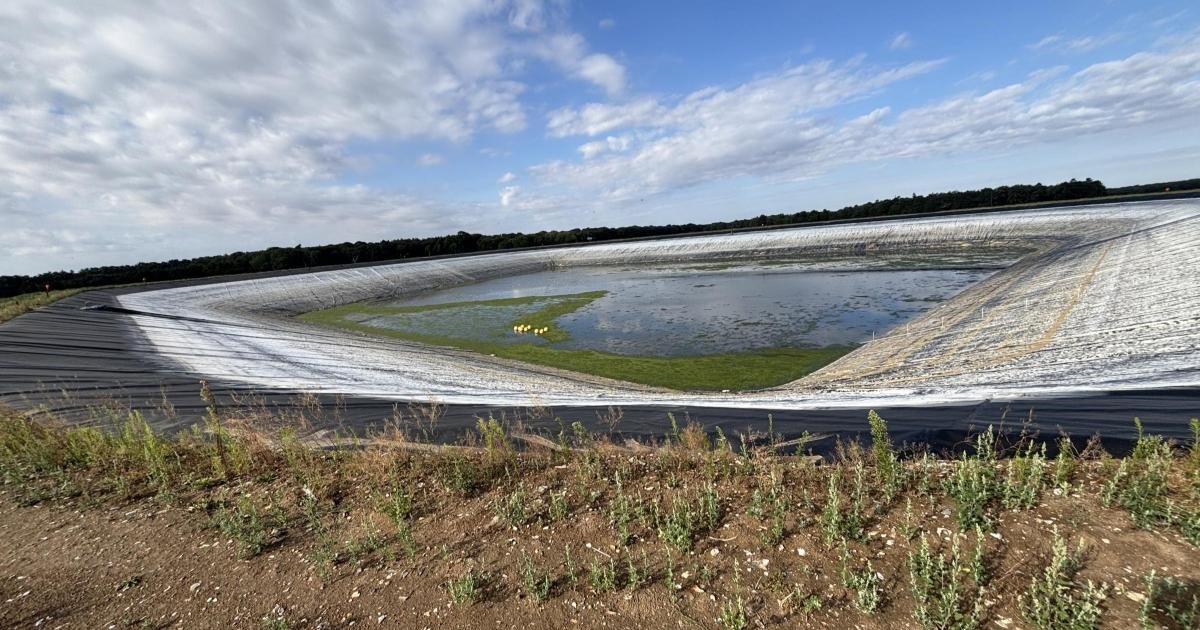
The National Drought Group has moved to weekly emergency meetings as authorities scramble to mitigate the impact of an intensifying drought across the region. The group, which includes representatives from the Met Office, government bodies, water regulators, agricultural leaders, and conservation experts, is working in lockstep to protect local residents, rural livelihoods, and the environment.
This heightened operational response follows an emergency COBRA meeting chaired by Prime Minister Andy Burnham, which emphasized the urgent need for cross-sector coordination to manage the dwindling water supplies.
A Summer of Extremes
The crisis follows a summer defined by relentless heat. On July 29, a formal drought was declared in Norfolk after the county suffered through five consecutive heatwaves and record-breaking temperatures. While recent days have brought sporadic rainfall and thunderstorms to parts of East Anglia, officials warn that these brief, intense downpours are insufficient to reverse the long-term impact of the dry spell.
Philip Duffy, Chief Executive of the Environment Agency, noted that the agriculture sector is currently enduring one of its most difficult periods in history. The British onion industry, in particular, has been hit hard, facing what producers describe as their "most challenging season ever."
The Risk of Flash Floods
Mr. Duffy issued a stark warning regarding the current weather patterns: as rainfall hits ground that has been baked into hard, compacted soil, the risk of surface water flooding rises significantly.
"We are monitoring the flood risks, while also working with industry, agriculture, and the government on the ongoing drought response," Mr. Duffy said. "In the meantime, we really do need everyone’s help to make our current water reserves last. Every drop saved is an extra drop for your local river, lake, or farmer."
He further underscored that the recent precipitation is, unfortunately, not enough to end the drought, meaning the structural water shortages remain a primary concern for the coming months.
Restrictions Remain in Place
Despite the return of wet weather, stringent water restrictions continue. Households across Norfolk remain subject to a hosepipe ban imposed by Anglian Water on July 11. The ban prohibits the use of hosepipes for tasks such as watering gardens, cleaning vehicles, and filling paddling pools.
A spokesperson for Anglian Water clarified that the ban is not set to be lifted, explaining: "While any rainfall is welcome in the East of England at the moment, a few days of wet weather won’t reverse the effects of many months of exceptionally dry conditions."
As the National Drought Group continues its weekly cadence, the message to the public remains clear: the drought is far from over, and conscious water conservation remains essential to preserving the region’s resources.