






Around 85% of England’s rivers have failed a water quality measure, the Environment Agency has revealed.
Extensive tests by the agency discovered that river quality levels had not improved since 2019, despite what the water industry claims has been vast investment in its networks. The findings come amid anger at the state of the country’s waterways, with fury over the pumping of sewage into rivers and bathing areas, all while households have been hit with soaring bills.
To make matters worse, suppliers across huge swathes of the country have now imposed hosepipe bans, blamed on the prolonged drought but amid criticism that firms have not put enough money into tackling leaks.
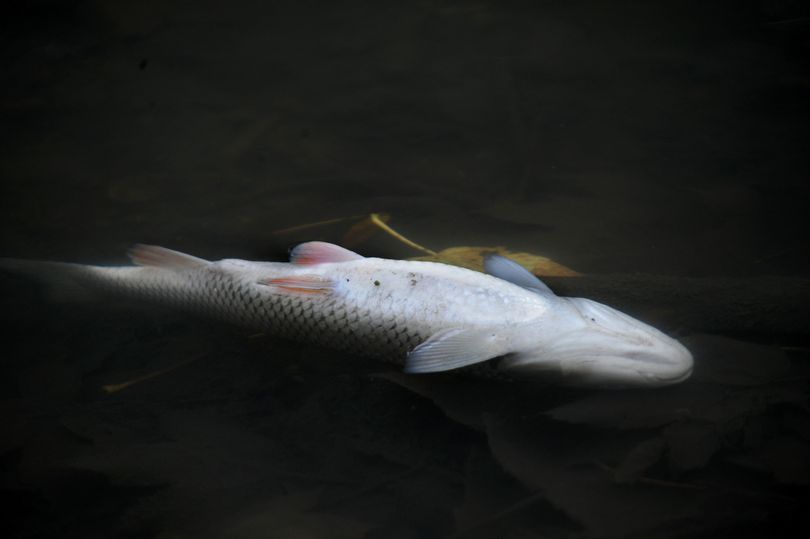
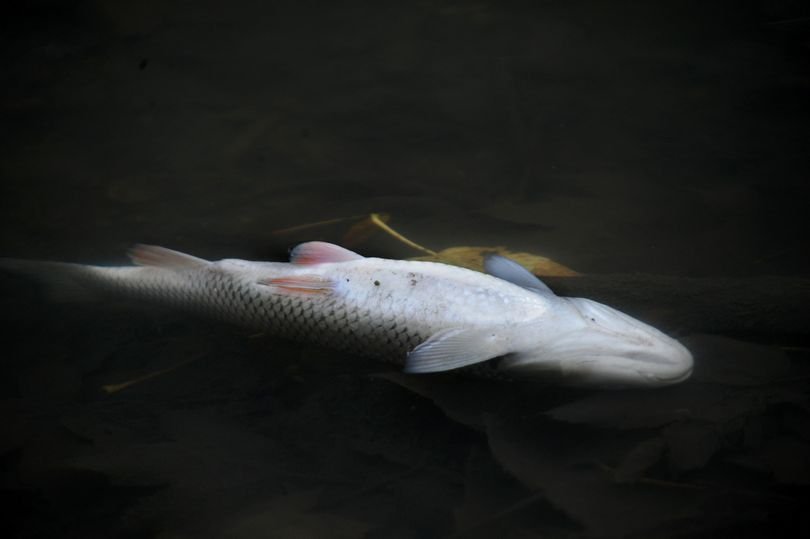
Nearly 58% of fish linked tests in rivers were classed as moderate or worse by the Environment Agency -Credit:Hounslow Chronicle
• Europe’s ‘worst EVER plastic nurdle incident’ sparks huge ‘People’s Army’ response on UK river
The Environment Agency’s data comes as it has been slammed for not doing enough to stop pollution. Campaigners featured in Channel 4 docu-drama Dirty Business also accused the agency of not taking their concerns about pollution seriously.
Its analysis from last year showed 14.3% of England’s “surface” waters – from rivers and lakes to canals and estuaries – achieved what is defined as a good ecological status, meeting the standards set out under the Water Framework Directive Regulations. Of the remainder, 65.4% are classed as moderate, 17% poor, 3.1% bad and 0.1% are high.
Just over 48% of rivers tested contained phosphates, which are contained in raw sewage as well as from farmland. The overall percentage of waterways gaining the “good” category was below the 16.3% level in 2019, when the exercise was last carried out, although the Environment Agency insisted they were not directly comparable.
It also said the results were impacted by the system’s “one-out, all-out” rule, where a single failing element can cause an entire water body to fail overall status. There is a yawning gap between the latest figure and the 75% of waterways that were supposed to be classed as having a good ecological status by 2027.
Environment Secretary Angela Eagle said: “Our local communities deserve to have clean local rivers and lakes. These results underline the need for wholesale change across the water sector.”
She went on: “We’ve already introduced landmark legislation to hold water companies to account, secured record investment to help fix infrastructure, and are laser focused on long term reforms that will prevent future failures. We will drive forward a system that puts the public interest first with higher standards, better performance and cleaner waterways.”
Alan Lovell, chair of the Environment Agency, said: “The latest Water Environment (WFD) Classification help us understand where water bodies are improving and where further action is needed. The results show that too many water bodies are still not achieving the standards we want to see.
“We share the public’s ambition for faster progress which is why we are transforming our enforcement work with better data, stronger powers and our largest ever enforcement workforce.
“We now know more about the water environment than ever before, and the updated classifications are an important part of this picture. We are using all our evidence to direct sustained improvement action from water companies, farmers, businesses and councils.”
Gary Carter, GMB National Officer, said: “The terrible state of England’s waterways is a badge of national shame – and privatised water companies must take a massive chunk of the blame.
“For years they’ve been allowed to pump sewage into our rivers, streams and lakes, as massive dividends and fat cat salaries take priority over repairing crumbling infrastructure. Water workers try to stem the tide but they are fighting with one arm tied behind their backs. The new regulator must be given the powers it needs to curb private water companies fouling our waterways – and workers must have a seat on the board.”
Sophie Conquest, lead campaigner at the group We Own It, said: “We have known for a long time that water companies have been treating our rivers like open sewers and today’s figures are a reflection of that fact.
“Under a privatised system, water companies profit from pollution: the less of our money as billpayers that they invest in critical infrastructure to properly treat sewage, the more that shareholders can keep for themselves.”
“This damning evidence is yet another reason to bring water into public hands, where all of our bills can be invested in stopping sewage. With the collapsing Thames Water, Andy Burnham has an opportunity to make good on his promise to break with 40 years of privatisation: he should place the utility into special administration without delay.”