








Sport is traditionally celebrated as a pillar of health, community, and human achievement. Yet, beneath the veneer of competitive excellence lies an often-overlooked reality: the significant environmental price of modern sporting culture. From the grand spectacle of Olympic Games and World Cups to the routine operations of local athletic clubs, the pursuit of prestige, tourism, and revenue often leaves a massive ecological footprint—one built on carbon-intensive travel, resource-heavy infrastructure, and ballooning waste streams.
While the benefits of sport remain undeniable, the industry must reckon with its lifecycle impacts. The environmental cost of an event is not just the venue construction itself, but the energy and water consumed to maintain it, the food waste generated, and the massive carbon emissions produced by spectators and teams flying across the globe. Addressing these challenges requires a shift toward “systems thinking,” an analytical approach that connects equipment design and manufacturing with the end-of-life treatment of products and the logistical choices made by regulatory bodies and participants.
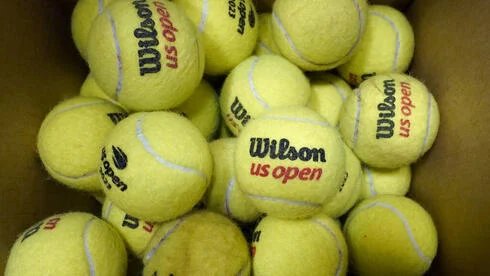
A poignant example of this systemic challenge is the humble tennis ball. Every year, an estimated 330 million tennis balls are manufactured worldwide, creating a relentless stream of rubber, felt, and adhesives. Because these materials are tightly bonded to withstand the rigors of professional play, they are notoriously difficult to recycle. Most end up in landfills, where they persist for years, failing to biodegrade.
The current standards set by the International Tennis Federation (ITF) prioritize uniformity—ensuring consistent weight, bounce, and deformation for fair play. However, these regulations notably lack requirements for sustainability, such as circularity or post-consumer waste management. The result is a cycle of consumption that values immediate performance over environmental longevity. To truly change this, we must look beyond just what a ball is made of, and instead measure its environmental impact against its “hours of acceptable play.” A ball that uses recycled materials but wears out prematurely may ultimately be less sustainable than a more durable, longer-lasting product.
Innovation is already stirring in the industry. Companies like Renewaball are producing balls incorporating significant percentages of recycled materials and testing collection systems to keep them out of landfills. Others, like Wilson with its “Triniti” line, are focusing on longevity and sustainable packaging. Furthermore, creative partnerships are emerging, such as the collaboration between RecycleBalls and the surface manufacturer Laykold, which repurposes ground-up used balls into the construction of new tennis courts. These initiatives prove that there is a viable path forward, even if “ball-to-ball” recycling remains an elusive goal.
However, technical innovation alone is insufficient. Real change demands that sports governing bodies update the “rules of the game” to mandate environmental responsibility. Without international standards that incentivize durability and recovery, sustainable designs remain niche pilot projects rather than industry-wide norms.
Israel, with its robust technological ecosystem, is uniquely positioned to serve as a laboratory for these transitions. A potential pilot program—connecting the Israel Tennis Association, equipment importers, materials researchers, and investors—could rigorously track the lifecycle of equipment. By measuring wear rates on various surfaces, gathering player feedback, and perfecting collection logistics, such a project could provide the data needed to scale sustainable solutions globally.
The tennis ball serves as a powerful case study for a much broader issue. Whether it is running shoes, swimming goggles, or rackets, the same systemic approach applies. True innovation in sport is not merely about finding a new material; it is about creating a circular model that balances performance and safety with long-term ecological stewardship. By integrating accountability into the lifecycle of every piece of sports gear, the industry can ensure that the values of sport—health and community—extend to the environment we all share.
Disclaimer: This content is auto-generated for informational purposes only.
Source: Read Original News