








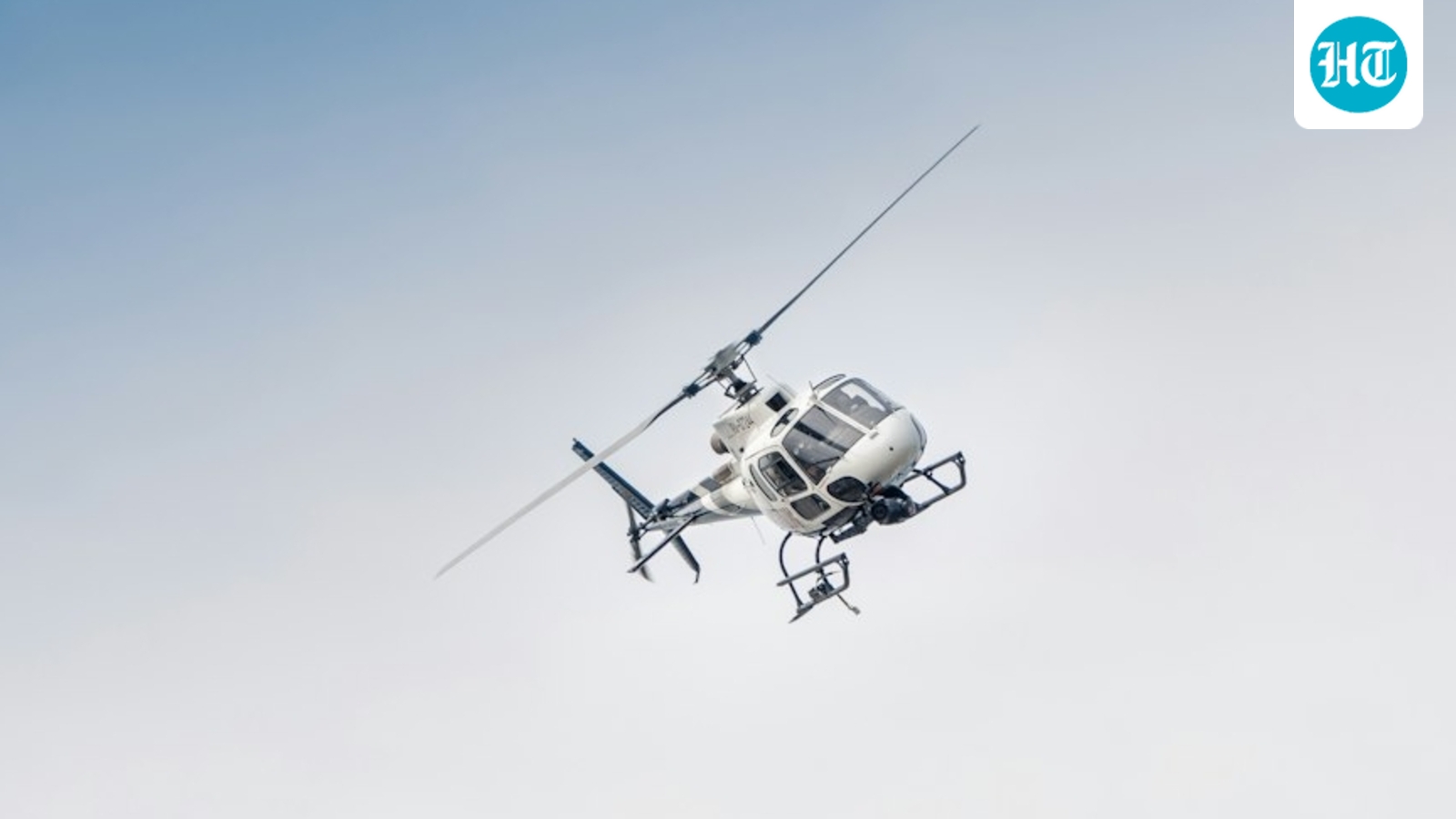
Char Dham Helicopter Services Suspended Following Stand-off Over New Safety Norms
Dehradun: The Directorate General of Civil Aviation (DGCA) has officially terminated charter helicopter operations on the highly frequented Char Dham circuit for the remainder of the pilgrimage season. The decision follows a prolonged impasse between aviation regulators and private operators regarding the implementation of stringent safety protocols. The season is slated to conclude on November 16, coinciding with the ritualistic closing of the Badrinath temple portals.
The abrupt cessation of services comes in the wake of a fatal helicopter crash near Jyotirmath, which claimed the lives of all six individuals on board while returning from the Badrinath shrine. Following the tragedy, the DGCA issued an immediate mandate requiring all charter flights operating in the region to have two pilots on board.
Breakdown in Negotiations
The final decision to ground the fleet was reached after a crucial meeting held on Monday between officials from the DGCA, the Uttarakhand Civil Aviation Development Authority (UCADA), and representatives of private helicopter firms. Despite discussions held to find a middle ground, the two parties remained deadlocked over the feasibility of the new regulation.
The aviation regulator maintained that the two-pilot rule is essential for enhanced airspace monitoring, particularly in the challenging, high-altitude terrain of the Himalayas. However, operators pushed back, arguing that the directive was practically impossible to execute on such short notice.
Commercial and Technical Hurdles
According to industry stakeholders, the requirement for a co-pilot is not merely a staffing issue but a complex technical challenge. Implementing dual-pilot operations necessitates significant physical modifications to existing helicopters, including the installation of additional dual-control systems. Furthermore, operators noted that accommodating an extra pilot would require a reduction in passenger capacity to remain within safe payload limits, which they argued makes current business models commercially unviable.
Prateek Jain, Chief Executive Officer of UCADA, explained the predicament faced by the operators. “The primary objective of the DGCA’s directive was to bolster safety through increased monitoring capabilities in the cockpit. However, the industry representatives highlighted that retrofitting aircraft for dual controls is a time-consuming process,” Jain said.
He further added, “With only a week left before the season draws to a close, operators have expressed that undertaking such structural modifications at this stage is economically unsustainable.”
Impact on Pilgrims
The grounding of services leaves thousands of pilgrims—many of whom booked aerial transport to bypass the arduous road journeys to the Himalayan shrines—in a difficult spot. While the move emphasizes the regulator’s commitment to preventing future aviation mishaps, it disrupts travel plans for those scheduled to visit Badrinath before it closes for the winter months.
This incident marks a significant moment in the ongoing discourse regarding air safety in Uttarakhand, a state that has seen a concerning frequency of helicopter mishaps in recent years. While the regulatory focus is now firmly on safety, the situation underscores the friction between enforcing strict aviation standards and maintaining the operational viability of tourism-linked transport in mountainous regions. As the portals prepare to close, the skies over Char Dham will remain silent for the remainder of the year.
Disclaimer: This content is auto-generated for informational purposes only.
Source: Read Original News