







From Importer to Exporter: India Emerges as Vital Petrol Supplier to Russia Amid Refinery Crisis
In a significant shift in global energy trade dynamics, India has stepped in as a primary supplier of gasoline to Russia, providing nearly one million barrels over the last two months. This unusual flow of refined products comes as Moscow grapples with a deepening domestic fuel shortage caused by sustained attacks on its energy infrastructure.
According to data from energy analytics firm Vortexa, Russia’s seaborne gasoline imports hit a record high of approximately 125,000 barrels per day (kbd) in August—equivalent to 470,000 tonnes for the month. India, alongside Turkey and Morocco, has emerged as a critical source for these shipments.
A Circular Supply Chain
The gasoline shipments to Russia have primarily originated from the Vadinar refinery in Gujarat, operated by Nayara Energy, which is 49.1% owned by the Russian oil giant Rosneft.
Industry analysts point to a “circular” nature in this trade. Since 2022, India has ramped up its intake of Russian crude oil, importing over 2.6 million barrels per day (bpd) in June and July alone—up from just 1 million bpd in February. As Russian crude currently accounts for more than half of India’s total imports, it is highly probable that Indian refineries are processing this crude into gasoline, which is then shipped back to help stabilize the Russian market.
The Shadow Fleet and “Dark” Transfers
The logistics behind these deliveries remain complex and opaque. Vortexa reports that roughly 55% of the gasoline imported by Russia in August arrived via sanctioned tonnage.
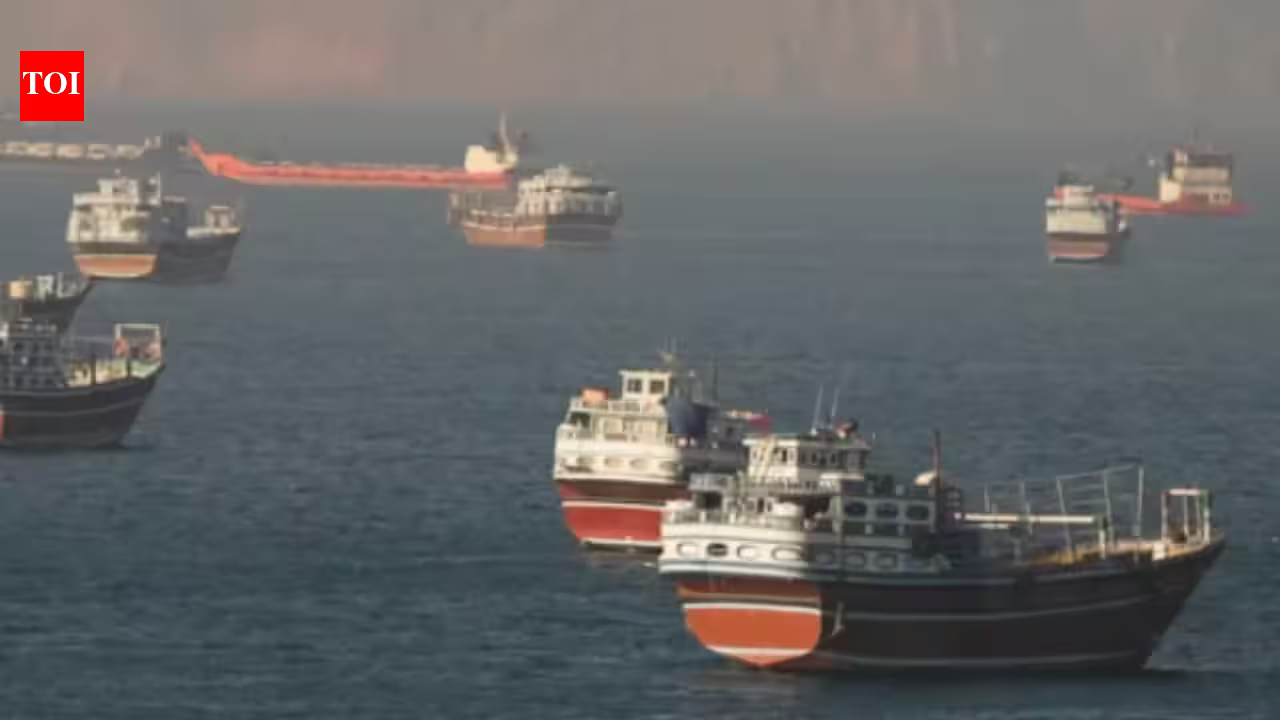
Furthermore, roughly 40% of these imports were managed through “dark” ship-to-ship (STS) transfers, often conducted in the Mediterranean. In these operations, vessels frequently disable their Automatic Identification System (AIS) signals to mask their movements, a tactic commonly used to bypass international sanctions and obscure the origin of the cargo.
Infrastructure Under Siege
The necessity for these imports stems from the systematic degradation of Russia’s refining capacity. Since the start of the year, repeated Ukrainian drone strikes have targeted Russian energy facilities, with Vortexa noting 32 separate attacks during July and August alone—averaging roughly one strike every other day.
These strikes have dealt a severe blow to domestic production, forcing Moscow to pivot from its traditional role as a global fuel exporter to an importer of last resort. In response to the crisis, the Kremlin has tightened its grip on the domestic market, extending its blanket gasoline export ban through January 2027 and maintaining a prohibition on diesel exports through September 2026.
As Russia’s domestic refining capabilities remain constrained, market experts suggest that the country will likely continue to rely on external sources for its fuel requirements. With diesel exports already down 81% from their five-year seasonal average, the Kremlin faces the dual challenge of managing a strained domestic market while attempting to navigate the geopolitical complexities of its shifting energy alliances.
For a deeper look into these developments, you can read more about how India becomes key petrol supplier to Russia as the nation struggles to stabilize its internal fuel reserves.