









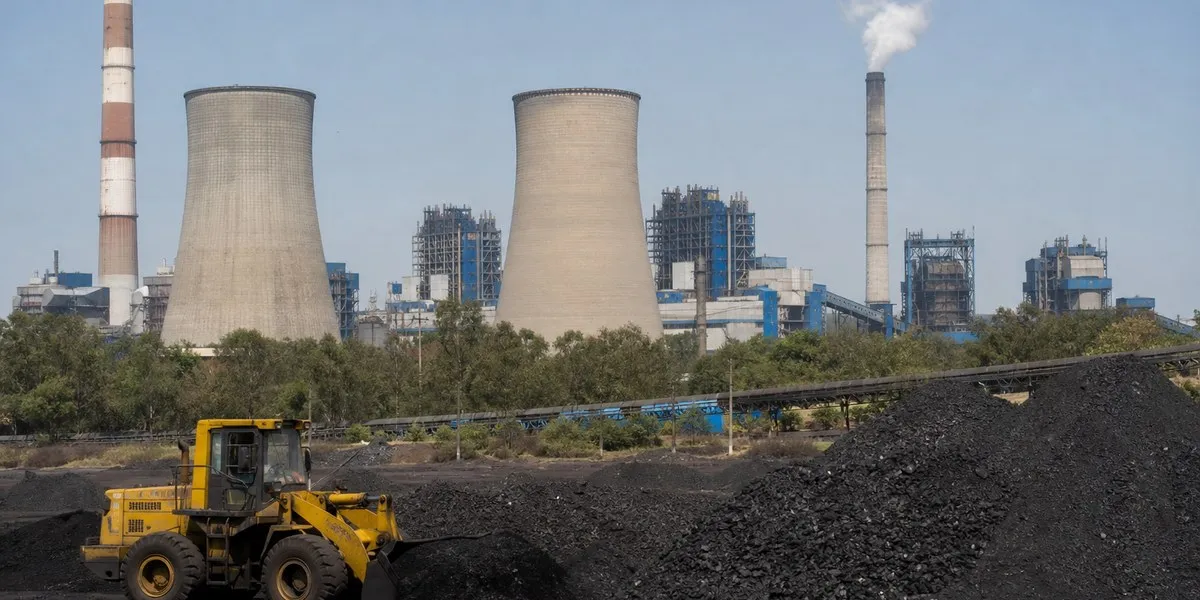
Powering India: Thermal Plants Grapple with Fuel Scarcity Amid Rising Demand
India’s energy landscape is facing a localized but significant challenge as the share of coal-fired power plants struggling with critically low fuel reserves climbs. Recent government data indicates that nearly 40% of the nation’s operating thermal power fleet is currently running on dangerously thin inventories, highlighting the immense pressure being placed on India’s primary electricity source.
Escalating Fuel Shortages
According to the latest figures from the Central Electricity Authority (CEA), the situation has deteriorated rapidly over the past few weeks. By the most recent weekend, 74 thermal power plants reported having less than three days’ worth of coal stocks on hand. This marks a sharp increase from just one week prior, when the number of plants facing similar shortages stood at 60.
While the figures suggest a mounting crisis at the plant level, the Ministry of Coal and energy analysts maintain that India is not currently facing a national fuel deficit. The country’s aggregate coal reserves remain sufficient; the bottleneck lies in logistics and distribution. The movement of coal from resource-rich mining states to power-generating hubs has been hindered by complex domestic transportation hurdles.
Compounding these infrastructure issues, the heavy monsoon season in August played a disruptive role. The rains severely impacted mining operations and hampered the transit of coal via rail and road, creating a supply gap that power plants have yet to bridge.
Government Intervention and Monitoring
In response to the tightening supply chain, the Ministry of Coal has ramped up efforts to stabilize the situation. Since early September, state-owned and private coal companies have been instructed to accelerate deliveries. The government is maintaining a strict vigil on “critical” thermal units—those where fuel reserves have dipped below 25% of their mandated normative requirements—to prioritize them for emergency replenishment.
“We are closely monitoring the inventories at critical thermal power plants and are actively implementing measures to enhance coal dispatch,” a spokesperson for the Ministry noted, signaling a coordinated push to ensure the grid remains stable as industrial and residential power consumption stays high.
A Growing Appetite for Power
Coal remains the cornerstone of India’s energy matrix, powering the vast majority of its economy. However, keeping up with the nation’s appetite for electricity is proving to be a monumental task. The International Energy Agency (IEA), in its Coal Mid-Year Update 2026, forecasts that India’s total coal demand will rise by 4.2% this year, reaching approximately 1.353 billion tonnes.
This surge in demand is fueled by two primary factors: rapid domestic economic growth driving higher electricity consumption, and global energy market volatility. International analysts suggest that disruptions to oil and gas supplies via the Strait of Hormuz have pushed many regions, including India, to rely more heavily on coal to secure their energy sovereignty.
As India moves toward the next quarter, the challenge for the Ministry of Coal will be to synchronize the extraction and rail transport systems to meet this growing demand. While the grid remains operational, the rising number of plants hovering at the threshold of low-stock alerts underscores the fragility of the supply chain in the face of India’s relentless march toward economic development.
Disclaimer: This content is auto-generated for informational purposes only.
Source: Read Original News