Gannet Hunt Ban Ignites Debate Over Indigenous Rights and Conservation
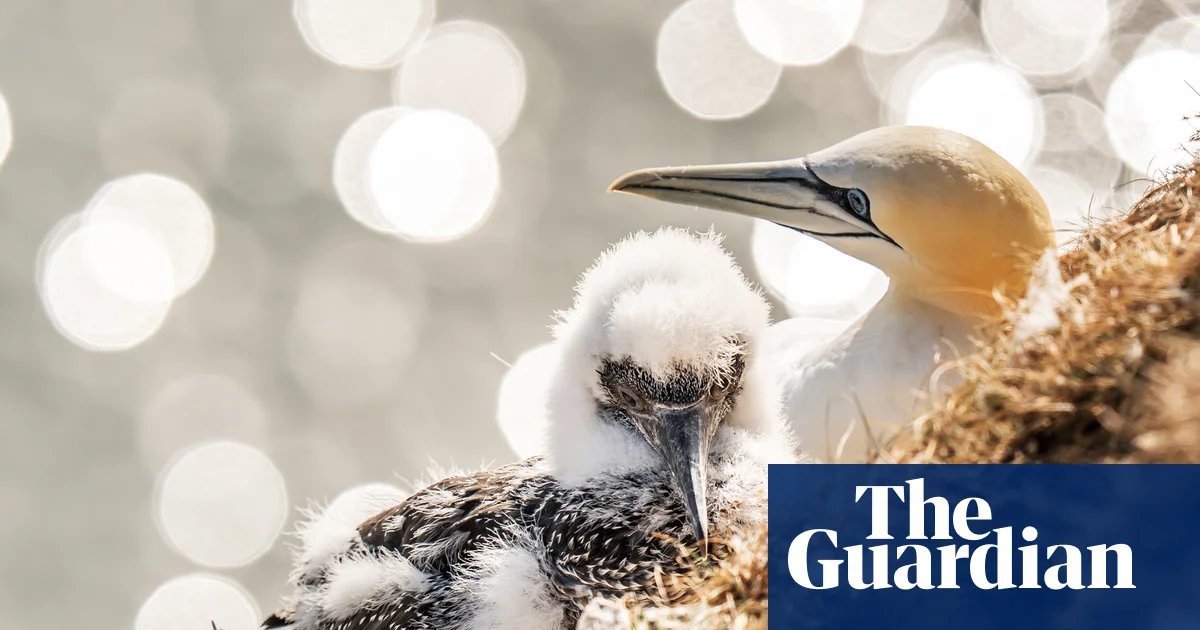
TÓRSHAVN, FAROE ISLANDS – A recent decision by Scottish authorities to prohibit the traditional gannet chick hunt on the Isle of Lewis for the first time in 400 years has sparked a contentious debate, challenging the very definition of conservation and the role of indigenous and local communities in safeguarding biodiversity. While many have hailed the move as a victory for nature, a prominent seabird biologist from the Faroe Islands argues it represents a “significant step in the wrong direction” for humanity’s relationship with the natural world.
The ban, highlighted by The Guardian on August 3rd, prevents the community on Lewis from undertaking their ancestral practice of collecting gannets, known locally as “guga.” This prohibition, according to Sjúrður Hammer, a seabird biologist and Faroe Islander, directly contradicts the spirit of the Kunming-Montreal Global Biodiversity Framework.
The Kunming-Montreal accord, adopted globally, explicitly acknowledges that successful biodiversity conservation cannot be achieved by scientists and urban populations alone. Instead, it underscores the “legitimate and essential role” of indigenous and local communities as stewards and caretakers of their environments. Hammer’s critique centres on the perception that Western societies often relegate the concept of “indigenous and local communities” to distant, “exotic cultures” or to the historical injustices of colonialism.
“But the Kunming-Montreal accord makes clear that this category also includes small, place-rooted communities in countries such as Scotland, the Faroe Islands and Iceland – communities with ancient traditions, distinct languages and ways of relating to nature that have endured for centuries,” Hammer explains. He emphasizes that these cultures are not static “museum pieces” but rather “living, fragile social ecologies” constantly under pressure from the modern lifestyles and ethics emanating from capitals and cities.
As a scientist, Hammer does not dispute the population modelling that may have informed NatureScot’s decision, nor does he accuse the body of acting carelessly. However, drawing from his own experiences as a Faroe Islander, he voices concern over “conservation campaigns imposed from the outside.” He notes how “well-intentioned policy can become a tyranny of the majority when local voices are sidelined.”
Hammer has issued a direct appeal to the Scottish government, urging them to reflect on whether the local community’s voice was sufficiently and fairly heard in this matter, and if the decision aligns with the foundational principles of the Kunming-Montreal accord. He stresses that the guga hunt is not an unregulated free-for-all, but a “regulated, small-scale practice embedded in local ecological knowledge.”
The potential consequence of ending such a practice, Hammer warns, is the alienation of the very communities that global biodiversity policy seeks to empower. In his view, conservation that excludes local actors is not, in fact, progress. This sentiment resonates deeply with the broader discourse on equitable conservation and the recognition of diverse knowledge systems in addressing the global biodiversity crisis.