








India Rejects Hague Court’s Ruling, Maintains Suspension of Indus Waters Treaty
New Delhi: India has taken a defiant stance against the Permanent Court of Arbitration in The Hague, asserting that the international body possesses no jurisdiction over India’s sovereign decisions regarding the Indus Waters Treaty. The Ministry of External Affairs (MEA) has categorically dismissed the court’s recent ruling, which urged New Delhi to uphold the long-standing water-sharing agreement with Pakistan.
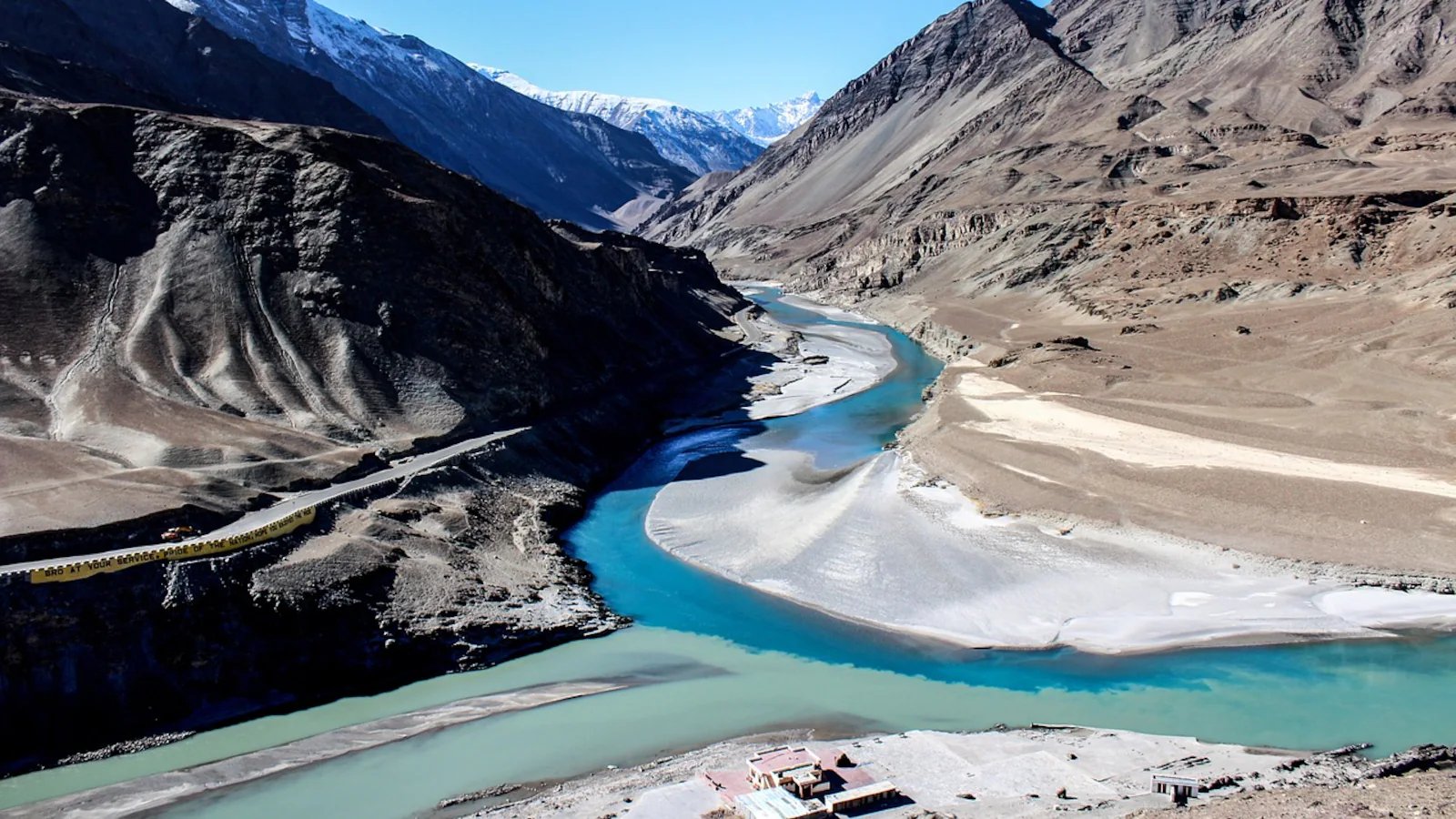
The dispute stems from the 1960 Indus Waters Treaty, a landmark agreement designed to manage the water resources of the Indus River system. While the Court of Arbitration—the world’s oldest permanent forum for international disputes—has insisted that the treaty remains fully in force and that India lacks justification for its suspension, New Delhi has labeled the court as an “illegally constituted body.”
A Policy of “Blood and Water”
India’s decision to suspend the operational aspects of the treaty followed the April 2023 terror attack in Pahalgam, which resulted in 26 fatalities. In the wake of the tragedy, the Indian government adopted a firm stance, declaring that “blood and water cannot flow together.”
New Delhi has maintained that the suspension will remain in effect until Islamabad takes verifiable and irreversible measures to dismantle the terror networks operating within its borders.
Jurisdiction and Legal Validity
The Ministry of External Affairs issued a sharp rebuke following the court’s pronouncement. “This so-called Court was constituted by the World Bank in patent breach of the terms of the Treaty, and India categorically rejects its so-called award,” the MEA statement read.
India argues that the current arbitration process is procedurally flawed. Under the treaty’s established framework, technical disputes concerning hydroelectric projects—such as India’s Kishenganga and Ratle projects on the western rivers—should be handled by a “Neutral Expert.” India maintains that allowing a Court of Arbitration to simultaneously deliberate on these same technical issues is a violation of the treaty’s dispute-resolution mechanism.
By refusing to appear before the body or acknowledge its pronouncements, India is asserting its commitment to the treaty’s original terms while simultaneously protecting its national interests.
Future Implications
As the diplomatic standoff continues, the Indus Waters Treaty, once considered a model of cooperation between the two nuclear-armed neighbors, finds itself under unprecedented strain.
New Delhi’s position remains clear: the court’s rulings will have no influence over India’s sovereign development of its hydroelectric infrastructure. With India prioritizing national security and border stability, the suspension of the treaty appears set to continue for the foreseeable future, leaving the future of the water-sharing arrangement increasingly uncertain.