







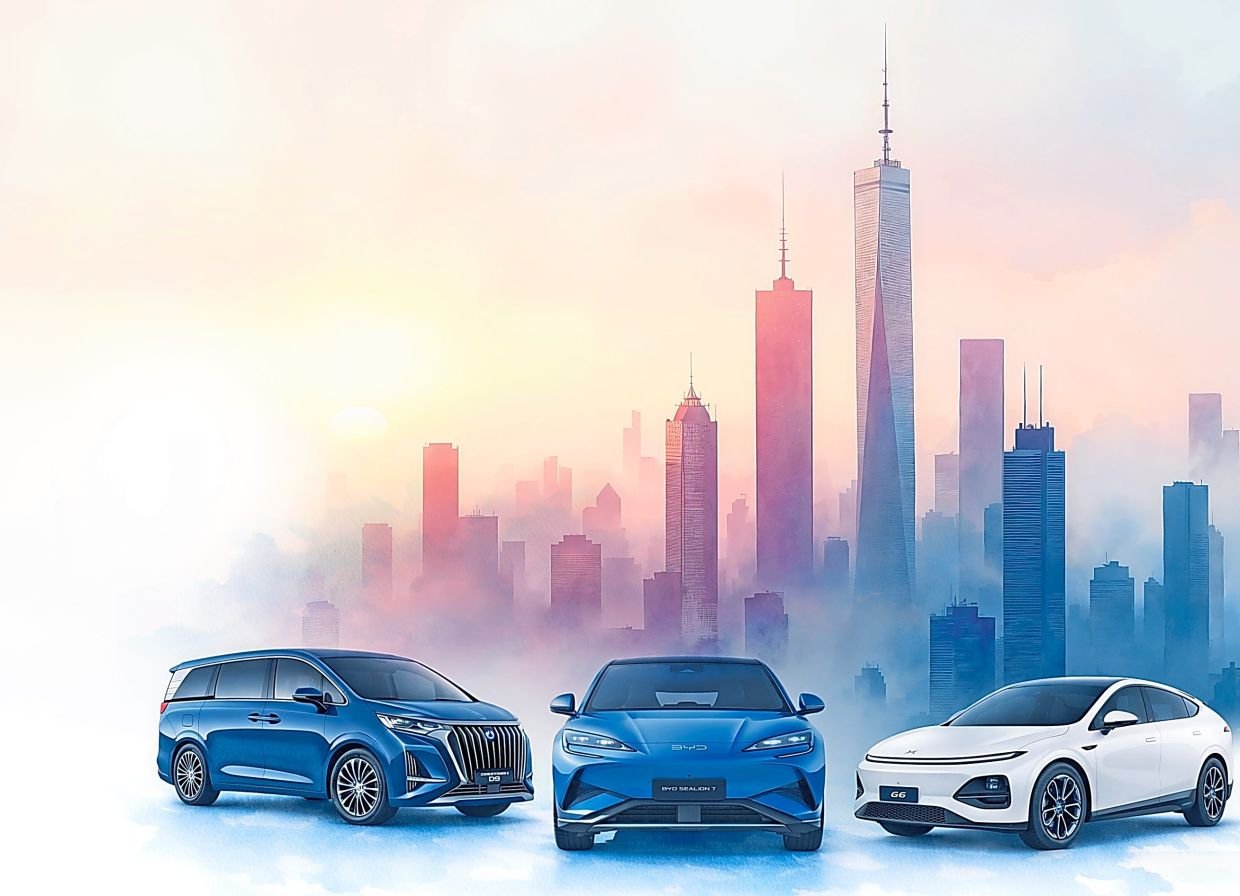
The Malaysian automotive landscape is undergoing a tectonic shift as Chinese automotive giants move beyond merely exporting vehicles to actively reshaping the retail ecosystem. In a strategic departure from traditional reliance on established local dealer networks, major Chinese manufacturers are now bringing their own homegrown dealership groups into Malaysia. This vertical integration is not just a logistical pivot; it is a tech-forward approach to market penetration that mirrors the digital-first evolution of the global transport industry.
A New Paradigm in Retail Integration
Historically, foreign automakers entering Malaysia sought partnerships with local conglomerates to navigate bureaucratic nuances and consumer preferences. However, as the market share of Chinese electric vehicle (EV) brands continues to surge, these companies are opting for a “full-stack” entry strategy. By partnering with China-based dealership groups, these manufacturers gain tighter control over the end-to-end customer journey—from the moment a user engages with an online configurator to the final handover of the vehicle.
This strategy allows for a standardized brand experience that is heavily reliant on unified digital infrastructure. These new retail entities are leveraging sophisticated cloud-based systems that sync inventory, servicing schedules, and customer relationship management (CRM) data directly with the manufacturer’s headquarters. This ensures that the high-tech features integrated into modern Chinese EVs are fully supported by a service network that speaks the same digital language.
The AI-Driven Automotive Experience
The influx of Chinese retail groups brings a heightened focus on the integration of artificial intelligence within the customer lifecycle. Much like how Google has revolutionized the digital assistant market with Gemini and deep-learning advancements, these Chinese automotive entrants are deploying AI to personalize the buying experience.
In these new showrooms, AI-driven predictive analytics are used to manage supply chains and anticipate local demand, ensuring that specific vehicle variants—and their proprietary parts—are readily available. Furthermore, the vehicles themselves act as mobile data nodes. As these cars hit Malaysian roads, the data-rich ecosystems they support require a level of technical fluency that these specialized, manufacturer-linked dealership groups are uniquely positioned to provide. By keeping the service network within their own corporate sphere, these brands ensure that software updates, over-the-air (OTA) patches, and vehicle diagnostics are handled with the same precision found in consumer electronics.
Shifting Industry Dynamics and Future Implications
This move poses significant questions for the traditional Malaysian automotive retail market. As these new players establish a foothold, they are setting a higher benchmark for the “connected car” experience. For Malaysian consumers, the benefits include faster access to global tech updates and a more streamlined after-sales service facilitated by proprietary mobile applications.
The trend also aligns with the broader tech industry’s push toward platform-based ecosystems. Just as Google continues to integrate its services across Android Auto to create a seamless interface for drivers, Chinese manufacturers are treating their dealer networks as an extension of their software platforms. This suggests that the future of the Malaysian car market will be dictated less by traditional mechanical sales and more by the strength of the digital infrastructure supporting the vehicle.
As these Chinese dealership groups scale their operations across the country, local competitors will face immense pressure to modernize. To remain relevant, traditional Malaysian dealer groups may need to accelerate their own digital transformation, potentially seeking their own tech partnerships to manage the complex data requirements of modern, software-defined vehicles. The era of the “dumb” showroom is coming to an end; in its place is a competitive, high-tech retail environment that is as much about data and software as it is about the vehicles themselves.
Disclaimer: This content is auto-generated for informational purposes only.
Source: Read Original News