







A sweltering heat wave is gripping large swaths of the United States, placing more than 37 million people under urgent heat alerts as temperatures soar to dangerous levels. The extreme weather conditions, which have prompted widespread health warnings from meteorologists and public officials, are creating a volatile environment, exacerbating the risk of infrastructure failure and public health emergencies.
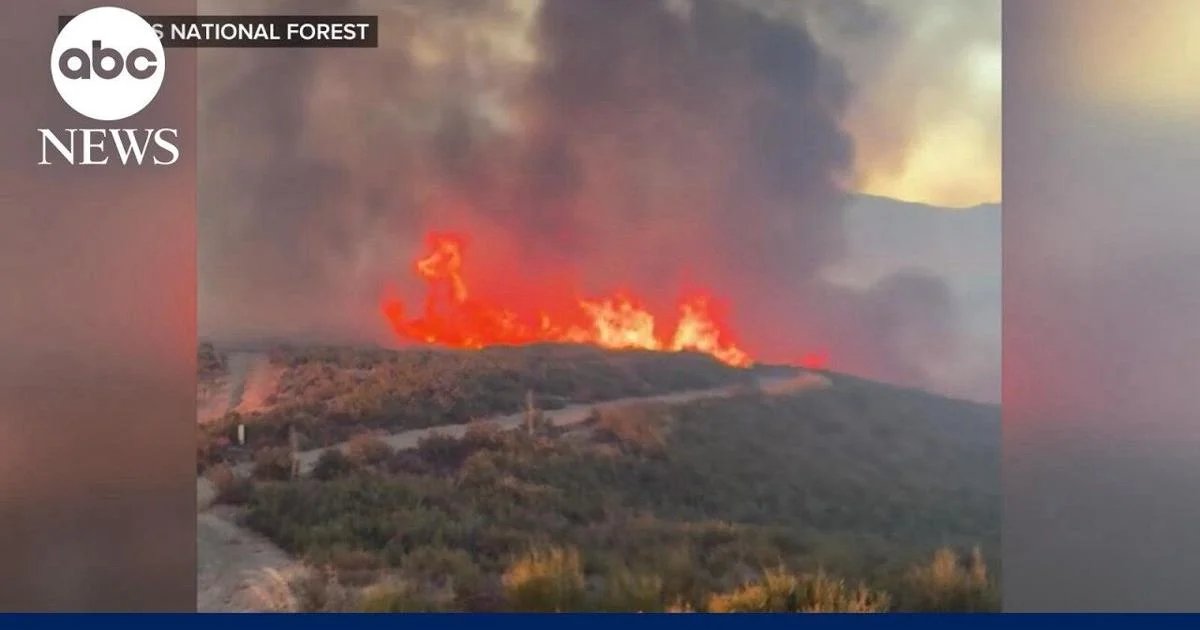
As record-breaking heat settles over the region, the situation has been further complicated by a rapidly developing natural disaster in Southern California. Firefighters in Los Angeles County are currently locked in a desperate battle to contain a fast-moving wildfire that broke out earlier today. The blaze, fueled by high temperatures, low humidity, and tinder-dry vegetation, has forced crews to work in grueling, sweltering conditions as they attempt to protect homes and businesses in the path of the flames.
The convergence of the widespread heat wave and the active wildfire has stretched emergency services thin. Officials are urging residents in affected areas to remain vigilant, stay hydrated, and follow evacuation orders should they be issued. The combination of intense heat and fire activity is a recurring nightmare for the West Coast, where drought conditions have left the landscape particularly susceptible to fire throughout the summer months.
The National Weather Service has issued a series of warnings for the coming days, cautioning that the heat index in many urban centers could reach levels that are hazardous to even healthy individuals. Vulnerable populations, including the elderly, young children, and those without access to air conditioning, are at the highest risk for heat-related illnesses such as heat exhaustion and heat stroke. Local authorities are opening cooling centers and advising citizens to minimize outdoor activities during the peak afternoon hours.
Meanwhile, ground and air crews in Los Angeles County are deploying every resource available to gain an upper hand on the wildfire. Aerial tankers have been spotted dropping fire retardant on the perimeter of the blaze, while ground crews work to carve out firebreaks in rugged, inaccessible terrain. The intensity of the fire has been exacerbated by the heat wave, which has hindered firefighting efforts by preventing the typical overnight cooling that usually helps suppress such blazes.
As the situation evolves, both the climate crisis and the immediate fire danger underscore the fragility of the region’s public safety infrastructure. Authorities are monitoring the weather patterns closely, hoping for a shift in wind direction or a break in the high-pressure system that has stalled over the area. For now, the priority remains life safety and the containment of the active fire lines.
Residents are encouraged to keep updated through local emergency channels and the ABC News app for the latest developments regarding evacuation zones and cooling station locations. Emergency management agencies remain on high alert as they navigate this dual crisis of extreme heat and fire.
Disclaimer: This content is auto-generated for informational purposes only.
Source: Read Original News