








The Growing Gap: Real-World Emissions Data Reveals Discrepancies in Plug-in Hybrid Performance
The automotive industry is facing renewed scrutiny as new data highlights a widening chasm between the laboratory-tested emissions figures of plug-in hybrid electric vehicles (PHEVs) and their actual performance on the road. As European regulators push for stricter climate targets, the debate over whether these vehicles truly offer a bridge to a green future or a “greenwashed” alternative is intensifying.
The Real-World Reality Check
While official manufacturer specifications suggest that plug-in hybrids are highly efficient, real-world data indicates that the reality is far more carbon-intensive. The discrepancy stems primarily from a fundamental issue: driver behavior.
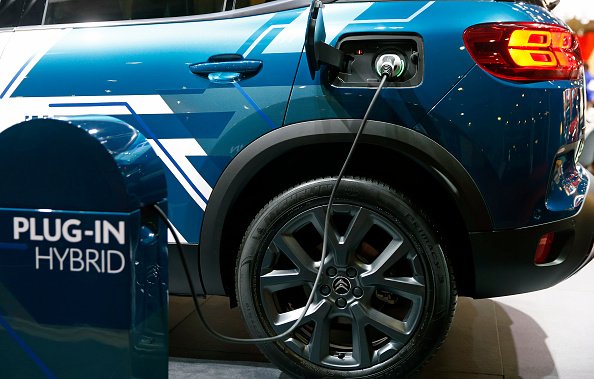
Many owners of plug-in hybrids are proving reluctant to consistently charge their vehicles, often relying almost exclusively on the internal combustion engine. Because these vehicles carry the added weight of an electric battery and motor, they frequently consume more fuel and emit more CO2 than traditional gasoline-powered cars when the electric mode is neglected.
A New Political Battleground
This performance gap has reignited an urgent debate in Brussels and beyond. Policymakers are now questioning the regulatory framework that governs how these vehicles are tested. Critics argue that the current testing cycles, which were designed to favor electrification, fail to account for the lack of discipline in real-world charging habits.
The implications for environmental policy are significant. With plug-in hybrid cars now at the center of a fresh political fight over CO2 standards, industry experts suggest that upcoming legislation may soon force manufacturers to adjust their claims or face stricter penalties.
The Future of the Combustion Engine
The reliance on petrol engines in hybrid models remains a sticking point for environmental groups who argue that the “transition period” for PHEVs is being exploited to keep traditional engines on the road longer than necessary.
As the automotive sector hurtles toward electrification mandates, the “emissions gap” serves as a stark reminder that technology alone cannot solve the climate crisis. Without behavioral changes—specifically, the willingness of drivers to plug in—the promised environmental benefits of hybrid technology may remain entirely out of reach.
For now, regulators face a difficult balancing act: maintaining incentives to promote electric adoption while ensuring that manufacturers are held accountable for the true carbon footprint of the vehicles they put on the road.